


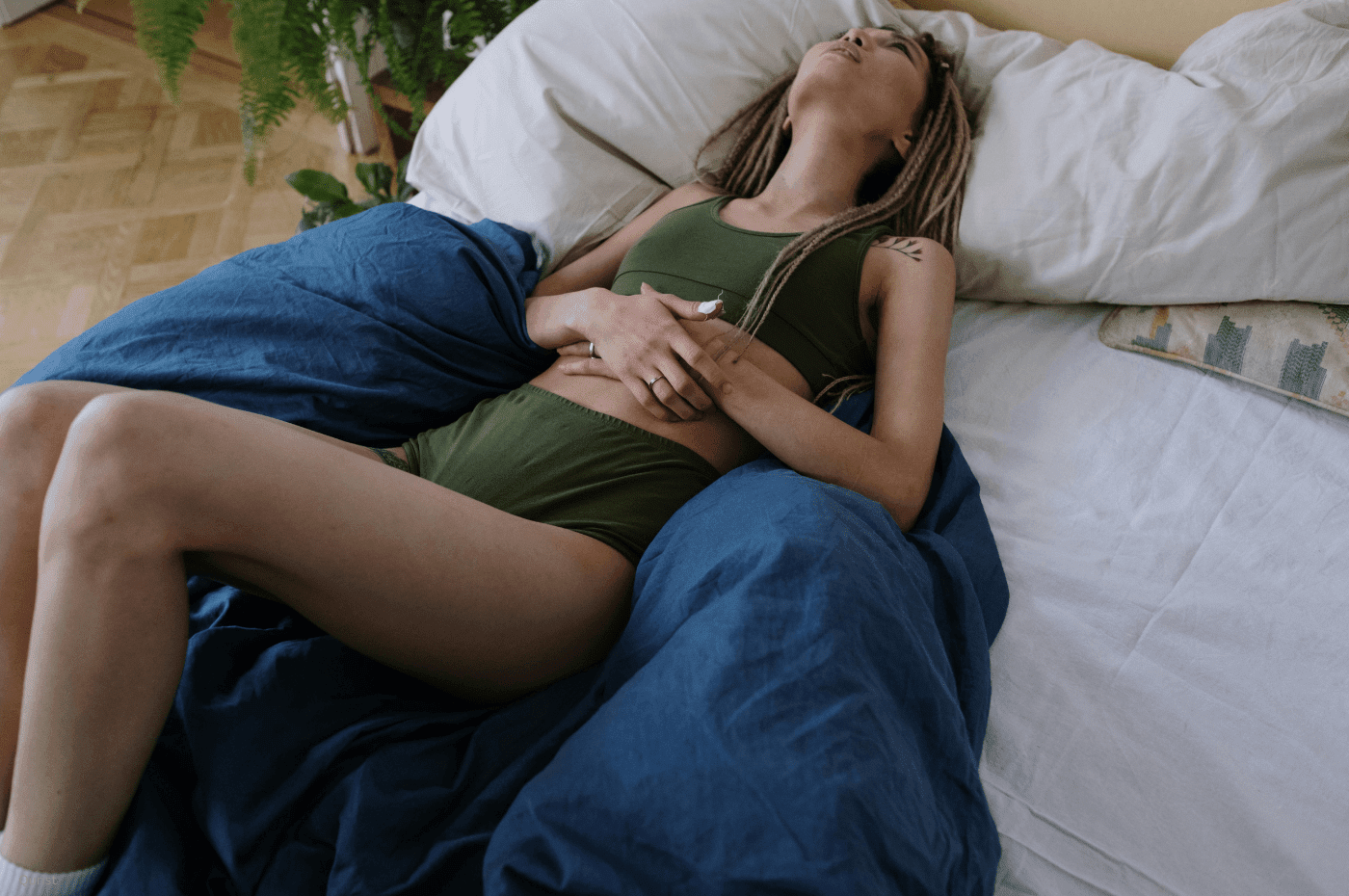
Understanding Period Pain Causes
Every month, millions of women reach for heating pads and pain relievers, wondering why periods are painful and searching for answers on how to relieve period cramps effectively. Period pain affects up to 90% of menstruating women, with nearly 30% experiencing severe menstrual cramps that disrupt daily activities. Understanding what causes period pain empowers you to find period cramps remedies and natural period pain relief strategies that actually work.
Table of Contents
- Why Are Periods Painful? The Science Explained
- What Causes Period Pain: Understanding the Mechanisms
- Recognizing Severe Menstrual Cramps
- How to Relieve Period Cramps: Immediate Relief Strategies
- Best Home Remedies for Period Cramps
- Natural Period Pain Relief Options
- Period Cramps Treatment: Medical Options
- Lifestyle Strategies for Long-Term Menstrual Cramp Relief
- When to Seek Medical Treatment
- Creating Your Personal Period Cramps Remedies Plan
- Frequently Asked Questions
Why Are Periods Painful? The Science Behind Menstrual Cramps
Why are periods painful? This is one of the most common questions women ask about their menstrual health. The answer lies in the complex biological processes happening in your uterus each month.
Understanding why periods are painful begins with what happens inside your uterus during menstruation. Period cramps, medically called dysmenorrhea, occur when your uterus contracts to shed its lining. These contractions are necessary to expel menstrual blood, but they can cause significant discomfort—and for many women, severe pain.
The short answer to "why are periods painful": Your body produces hormone-like substances called prostaglandins that trigger uterine muscle contractions. Higher prostaglandin levels lead to more intense contractions, reduced blood flow to the uterus, and the characteristic cramping pain that millions of women experience monthly.
What Causes Period Pain: Understanding the Root Mechanisms
When exploring what causes period pain, it's important to understand there are multiple contributing factors and two main types of menstrual pain:
Primary Period Pain Causes: Prostaglandins
Prostaglandins are the primary answer to "what causes period pain." These hormone-like compounds trigger uterine muscle contractions during menstruation. Women with severe menstrual cramps typically produce higher levels of prostaglandins, causing:
- More intense uterine contractions
- Reduced blood flow to the uterus
- Increased pain sensitivity
- Inflammation in the pelvic region
- That characteristic throbbing, cramping pain
Primary Dysmenorrhea (Common Period Pain)
Primary dysmenorrhea refers to common menstrual cramps not caused by underlying conditions. This is the most common type of period pain and typically:
- Begins within a few years of starting menstruation
- Often improves with age, particularly after childbirth
- Occurs in the lower abdomen, sometimes radiating to back and thighs
- Starts just before or at the beginning of menstruation
- Lasts 12-72 hours
Secondary Dysmenorrhea (Period Pain from Medical Conditions)
Secondary dysmenorrhea stems from reproductive system conditions. These period pain causes include:
- Endometriosis: Uterine tissue growing outside the uterus
- Fibroids: Non-cancerous growths in the uterus
- Adenomyosis: Uterine tissue growing into the muscular wall
- Pelvic Inflammatory Disease (PID): Infection of reproductive organs
- Ovarian Cysts: Fluid-filled sacs on ovaries
- Cervical Stenosis: Narrow cervical opening
This pain often worsens over time and may occur throughout the cycle, not just during menstruation.
Additional Period Pain Causes and Risk Factors
Other factors contributing to why periods are painful include:
- Narrow cervical passages (making menstrual flow more difficult)
- Uterine position (tilted or retroverted uterus)
- High stress levels (increases inflammation and pain sensitivity)
- Smoking (constricts blood vessels, worsening cramps)
- Family history of painful periods (genetic predisposition)
- Age under 30
- Early menarche (starting periods before age 11)
- Heavy menstrual bleeding
- Never having given birth
- Irregular periods
Recognizing Severe Menstrual Cramps: When Pain Isn't Normal
While most period pain causes discomfort, severe menstrual cramps are different. Certain symptoms warrant medical attention and may indicate underlying conditions requiring professional period cramps treatment.
Signs of Severe Menstrual Cramps:
- ✗ Pain interfering with daily activities (work, school, social life)
- ✗ Cramps worsening progressively over time
- ✗ Pain beginning after age 25
- ✗ Heavy bleeding (soaking through pad/tampon every 1-2 hours)
- ✗ Fever accompanying menstrual pain
- ✗ Unusual vaginal discharge
- ✗ Pain radiating to legs or lower back
- ✗ Lasting beyond the first 2-3 days of period
- ✗ Unresponsive to typical pain relievers
- ✗ Nausea, vomiting, or diarrhea with cramps
- ✗ Pain between periods
If you experience severe menstrual cramps with any of these symptoms, consult healthcare providers to rule out secondary dysmenorrhea causes.
How to Relieve Period Cramps: Immediate Relief Strategies That Work
When cramps strike, knowing how to relieve period cramps quickly can make all the difference. Several approaches provide fast menstrual cramp relief without medication:
1. Heat Therapy (Most Effective Immediate Relief)
Heat therapy ranks among the most effective strategies for how to relieve period cramps. Heating pads, hot water bottles, or warm baths relax uterine muscles and increase blood flow, reducing pain as effectively as over-the-counter medications in many cases.
How to use heat for menstrual cramp relief:
- Apply heating pad to lower abdomen or back
- Use at 104°F (40°C) for optimal relief
- Apply for 15-20 minutes at a time
- Take warm baths with Epsom salts
- Use adhesive heat patches for on-the-go relief
2. Gentle Movement and Exercise
While it seems counterintuitive, light physical activity is an excellent answer to how to relieve period cramps naturally. Exercise increases circulation and releases endorphins that naturally reduce pain perception.
Best exercises for period cramp relief:
- Simple walking (15-30 minutes)
- Gentle stretching
- Restorative yoga poses (child's pose, cat-cow, reclining twist)
- Light swimming
- Pelvic tilts
3. Abdominal Massage
Massage applied to the lower abdomen with gentle, circular motions helps relax cramping muscles and provides immediate menstrual cramp relief.
How to massage for period pain:
- Use clockwise circular motions
- Apply gentle to moderate pressure
- Massage for 5-10 minutes
- Add essential oils (lavender, clary sage) diluted in carrier oil
- Focus on lower abdomen and lower back
4. Hydration and Herbal Teas
Proper hydration supports overall body function and may reduce bloating that intensifies cramping sensations. Warm herbal teas provide both hydration and anti-inflammatory benefits.
Best teas for period cramps:
- Ginger tea: Anti-inflammatory and pain-relieving properties
- Chamomile tea: Muscle relaxant and calming effects
- Fennel tea: Reduces cramping and bloating
- Peppermint tea: Relieves muscle tension
- Cinnamon tea: Anti-inflammatory and warming
5. TENS Units (Transcutaneous Electrical Nerve Stimulation)
TENS devices deliver small electrical pulses that interfere with pain signals, offering drug-free menstrual cramp relief.
Best Home Remedies for Period Cramps: Natural Solutions
Traditional wisdom offers several effective home remedies for period cramps that modern research increasingly validates. These natural approaches can be combined for enhanced period cramps remedies:
Proven Home Remedies for Period Cramps:
1. Herbal Teas and Infusions
Chamomile and ginger teas are among the most popular home remedies for period cramps, providing warmth and comfort during menstruation. Research shows chamomile has anti-inflammatory and antispasmodic properties.
2. Dietary Adjustments
Specific dietary changes are effective home remedies for period cramps:
- Reduce: Caffeine, salt, sugar, processed foods, red meat
- Increase: Anti-inflammatory foods (berries, fatty fish, leafy greens, nuts, turmeric)
- Add: Magnesium-rich foods (dark chocolate, bananas, avocados)
- Include: Omega-3 sources (salmon, flaxseeds, walnuts)
3. Acupressure
Acupressure applied to specific points provides drug-free relief as one of the most effective home remedies for period cramps:
- Sanyinjiao (SP6): Four finger-widths above inner ankle
- Taichong (LV3): On top of foot between big and second toe
- Hegu (LI4): In webbing between thumb and index finger
4. Essential Oil Aromatherapy
Aromatherapy through inhalation or diluted topical application may reduce pain perception:
- Lavender: Calming and pain-relieving
- Clary sage: Hormone balancing and antispasmodic
- Marjoram: Muscle relaxant
- Rose: Soothing and anti-inflammatory
5. Castor Oil Packs
Traditional remedy involving applying warm castor oil-soaked cloth to abdomen for 30-60 minutes.
Natural Period Pain Relief: Supplements and Alternative Medicine
Beyond immediate home remedies for period cramps, several natural supplements provide ongoing natural period pain relief when taken consistently:
Evidence-Based Natural Period Pain Relief Supplements:
1. Magnesium
Magnesium is one of the most effective natural period pain relief supplements. It helps with muscle relaxation and reduces prostaglandin production.
- Dosage: 300-400mg daily, starting before period
- Sources: Dark leafy greens, nuts, seeds, supplements
- Best form: Magnesium glycinate (highly absorbable)
2. Omega-3 Fatty Acids
Omega-3s provide natural period pain relief by reducing inflammation when taken regularly throughout the month.
- Dosage: 1000-2000mg EPA/DHA daily
- Sources: Fish oil, algae oil, flaxseeds, chia seeds
3. Vitamin B1 (Thiamine)
Studies show vitamin B1 significantly reduces period pain intensity.
- Dosage: 100mg daily
4. Vitamin E
Antioxidant that reduces prostaglandin production.
- Dosage: 400 IU daily, starting 2 days before period
5. Ginger
Powerful anti-inflammatory traditionally used for natural period pain relief.
- Dosage: 500-750mg 2-3 times daily during period
- Forms: Tea, capsules, fresh ginger
6. Turmeric (Curcumin)
Strong anti-inflammatory and pain-relieving properties.
- Dosage: 500mg curcumin with black pepper (enhances absorption)
7. CBD (Cannabidiol)
CBD offers powerful natural period pain relief by interacting with the endocannabinoid system to modulate pain signals and reduce inflammation. Many women report significant menstrual cramp relief from CBD oils, capsules, or topical applications without the side effects of conventional pain medications.
How CBD works for period pain:
- Reduces prostaglandin production
- Decreases inflammation
- Relaxes uterine muscles
- Modulates pain perception
- Addresses anxiety associated with severe cramps
CBD dosage for menstrual cramps:
- Start with 10-25mg CBD
- Take 30-60 minutes before expected pain
- Increase gradually if needed
- Can be taken 2-3 times daily during period
Learn more about CBD for period pain relief.
Period Cramps Treatment: Medical Options When Natural Methods Aren't Enough
While natural approaches and home remedies for period cramps help many women, some situations require medical period cramps treatment. Severe menstrual cramps unresponsive to home remedies, pain that worsens over time, or symptoms suggesting underlying conditions warrant professional evaluation.
Over-the-Counter Medications
NSAIDs (Non-Steroidal Anti-Inflammatory Drugs) are the first-line period cramps treatment.
Best practice: Start NSAIDs at the first sign of period or cramping, before pain becomes severe.
Hormonal Contraceptives
Hormonal contraceptives can significantly reduce severe menstrual cramps by thinning the uterine lining and reducing prostaglandin production.
Prescription Medications
For severe menstrual cramps requiring stronger intervention:
- Prescription-strength NSAIDs
- Muscle relaxants
- Antispasmodics
- Pain medications for underlying conditions
Lifestyle Strategies for Long-Term Menstrual Cramp Relief
Understanding what causes period pain and why periods are painful helps you make lifestyle choices that reduce cramping severity over the long term, beyond just managing symptoms when they occur.
1. Regular Exercise Throughout the Month
Regular exercise improves circulation, reduces stress, and may decrease prostaglandin production. Women who exercise regularly report less severe menstrual cramps than sedentary individuals.
Best exercises for long-term period pain reduction:
- Aerobic exercise: 30 minutes, 5 days/week
- Yoga: 2-3 times/week
- Strength training: 2 times/week
- Swimming: Low-impact full-body workout
2. Stress Management
Chronic stress increases inflammation and pain sensitivity while potentially worsening hormonal imbalances. Effective stress management is crucial for long-term menstrual cramp relief.
Stress reduction techniques:
- Daily meditation (10-20 minutes)
- Deep breathing exercises
- Progressive muscle relaxation
- Journaling
- Regular yoga practice
- Adequate social support
3. Sleep Quality
Sleep affects pain perception and hormonal balance. Prioritizing consistent sleep schedules and adequate rest, especially during menstruation, supports your body's natural pain management systems.
Sleep optimization for period pain:
- Aim for 7-9 hours nightly
- Maintain consistent sleep schedule
- Create dark, cool sleeping environment
- Avoid screens 1 hour before bed
- Consider magnesium supplement for better sleep
4. Anti-Inflammatory Diet
Dietary patterns influence inflammation levels and hormone metabolism. Anti-inflammatory diets may reduce period pain causes over time.
Anti-inflammatory eating for period pain:
- Emphasize whole foods
- Include omega-3 rich foods
- Eat abundant colorful vegetables
- Choose lean proteins
- Limit processed foods, sugar, and trans fats
- Stay well-hydrated
When to Seek Medical Treatment for Severe Menstrual Cramps
Consult a healthcare provider if you experience:
- ✗ Severe menstrual cramps interfering with daily life
- ✗ Pain not responding to OTC medications or home remedies for period cramps
- ✗ Progressively worsening pain over several cycles
- ✗ Pain starting after age 25 (suggests secondary dysmenorrhea)
- ✗ Heavy bleeding requiring pad/tampon change every hour
- ✗ Pain between periods
- ✗ Painful intercourse
- ✗ Difficulty getting pregnant
- ✗ Fever, chills, or unusual discharge
- ✗ Severe fatigue or weakness
These symptoms may indicate conditions like endometriosis, fibroids, or PID requiring specific period cramps treatment.
Creating Your Personal Period Cramps Remedies Plan
Effective period cramps remedies often involve combining multiple approaches tailored to your individual needs and preferences. Here's how to create your personalized plan for how to relieve period cramps:
Step 1: Track Your Symptoms
Document pain severity, timing, triggers, and what provides menstrual cramp relief. Use apps (Clue, Flo, Period Tracker) or journals to identify patterns.
Step 2: Experiment Systematically
Try different natural period pain relief methods one at a time, giving each 2-3 cycles to show effects. Track results.
Step 3: Combine Multiple Approaches
Layer strategies for maximum relief:
- Before period: Magnesium supplements, stress reduction, adequate sleep
- Day 1-2: Heat therapy, CBD, gentle movement, NSAIDs if needed
- Throughout cycle: Anti-inflammatory diet, regular exercise, stress management
Step 4: Prepare in Advance
Stock up on supplies, start supplements early, manage stress proactively. Prevention works better than reaction.
Step 5: Know When to Escalate
If home remedies for period cramps aren't providing adequate menstrual cramp relief, consult healthcare providers for medical period cramps treatment options.
Conclusion: Taking Control of Period Pain
Understanding why periods are painful, what causes period pain, and the difference between normal discomfort and severe menstrual cramps empowers you to take control of your menstrual health. Whether you prefer natural period pain relief, home remedies for period cramps, or medical period cramps treatment, effective menstrual cramp relief is achievable.
The key is finding the right combination of period cramps remedies that work for your body. From heat therapy and gentle movement to CBD, magnesium, and dietary changes, multiple proven strategies exist for how to relieve period cramps. Start with natural approaches, track what works, and don't hesitate to seek medical guidance for severe menstrual cramps.
Period pain is common but not inevitable—you deserve relief.
Frequently Asked Questions About Period Pain and Cramps
Why are periods painful?
Periods are painful because your uterus produces hormone-like substances called prostaglandins that trigger muscle contractions to shed the uterine lining. Higher prostaglandin levels cause more intense contractions, reduced blood flow to the uterus, and increased pain. Women with severe menstrual cramps typically produce significantly higher prostaglandin levels than those with mild discomfort.
What causes period pain to be so severe?
Severe period pain can be caused by: (1) Excessive prostaglandin production, (2) Underlying conditions like endometriosis, fibroids, or adenomyosis, (3) Narrow cervical passage, (4) Inflammation, (5) Genetic predisposition, or (6) Lifestyle factors including stress, poor diet, and sedentary habits. If your cramps interfere with daily activities, consult a healthcare provider.
How can I relieve period cramps fast?
The fastest ways to relieve period cramps are: (1) Apply heat to lower abdomen (heating pad at 104°F), (2) Take ibuprofen or naproxen at first sign of cramping, (3) Try gentle movement like walking, (4) Massage lower abdomen with circular motions, (5) Use CBD oil for natural pain relief, or (6) Practice deep breathing and relaxation. Heat therapy often provides relief within 15-20 minutes.
What are the best home remedies for period cramps?
The best home remedies for period cramps include: ginger or chamomile tea, heat therapy (heating pads or warm baths), gentle exercise and yoga, abdominal massage with essential oils, magnesium-rich foods or supplements, omega-3 fatty acids, acupressure, staying hydrated, and anti-inflammatory diet changes. Combining multiple remedies often provides the best relief.
What natural period pain relief actually works?
Research-backed natural period pain relief methods include: magnesium supplements (300-400mg daily), omega-3 fatty acids (1000-2000mg), vitamin B1 (100mg daily), ginger (500mg 2-3x daily), heat therapy, CBD oil, regular exercise, acupuncture, and stress reduction techniques. These natural options can be as effective as over-the-counter pain relievers when used consistently.
How long should period cramps last?
Normal period cramps typically last 1-3 days, usually starting just before or at the beginning of menstruation. Pain should gradually decrease and resolve by day 3 of your period. If cramps last longer, worsen over time, or occur between periods, this may indicate an underlying condition requiring medical evaluation.
When should I see a doctor for severe menstrual cramps?
See a doctor if you experience: pain interfering with daily activities, cramps not responding to OTC medications, progressively worsening pain, pain starting after age 25, heavy bleeding (soaking through pad/tampon hourly), pain between periods, painful intercourse, or difficulty conceiving. These symptoms may indicate endometriosis, fibroids, or other conditions.
Can CBD oil help with menstrual cramps?
Yes, many women report significant relief from CBD oil for menstrual cramps. CBD works by interacting with the endocannabinoid system to reduce prostaglandin production, decrease inflammation, relax uterine muscles, and modulate pain signals. Start with 10-25mg CBD taken 30-60 minutes before expected pain. CBD provides natural relief without the stomach irritation of NSAIDs.
Why do my period cramps get worse as I get older?
Period cramps worsening with age often indicate secondary dysmenorrhea from conditions like endometriosis, adenomyosis, or fibroids. These conditions become more common after age 25-30. Primary menstrual cramps (without underlying conditions) typically improve with age. If your cramps are worsening, consult a gynecologist for evaluation.
Does exercise really help period cramps?
Yes, exercise helps period cramps by: increasing circulation, releasing natural pain-relieving endorphins, reducing prostaglandin levels, decreasing stress, and improving overall pelvic blood flow. Women who exercise regularly experience less severe menstrual cramps. Even gentle movement like walking or yoga during your period can provide relief.
What foods should I avoid during my period?
Avoid foods that worsen period cramps: caffeine (constricts blood vessels), excess salt (increases bloating), sugar (causes inflammation), processed foods, red meat (contains prostaglandin-promoting omega-6), alcohol, and fried foods. Instead, focus on anti-inflammatory foods like berries, fatty fish, leafy greens, nuts, and turmeric.
About Qurist: Natural CBD Solutions for Menstrual Cramp Relief
For women seeking natural period pain relief, Qurist offers high-quality CBD products that provide significant menstrual cramp relief without the side effects of conventional pain medications.
Our CBD products offer a powerful answer to how to relieve period cramps naturally, working with your body's endocannabinoid system to reduce inflammation, relax uterine muscles, and modulate pain signals.
Why Choose Qurist for Period Pain Relief:
- Natural Pain Relief: CBD that works with your body's endocannabinoid system to address root causes
- Anti-Inflammatory Support: Plant compounds addressing pain and inflammation at the source
- Multiple Formats: Oils, capsules, and topicals for personalized application
- AYUSH Licensed: Full legal compliance and quality assurance in India
- Third-Party Tested: Every batch verified for purity and potency
- Non-Habit Forming: Relief without dependency concerns or stomach irritation
- Fast-Acting: Many women experience relief within 30-60 minutes
- No Side Effects: Unlike NSAIDs, CBD doesn't cause stomach problems
Shop CBD for Period Pain Relief →
Important: Severe or worsening menstrual pain should be evaluated by healthcare providers to rule out underlying conditions. Qurist supports comprehensive menstrual health management through quality natural products and commitment to women's wellbeing.
(Disclaimer: ALWAYS speak to your doctor before starting CBD products.)


Leave a comment
All comments are moderated before being published.
This site is protected by hCaptcha and the hCaptcha Privacy Policy and Terms of Service apply.