



Chronic pain can change every part of life, how you move, sleep, work, and even connect with others. While medicines may offer short-term relief, many people look for deeper solutions that treat the whole person, not just the symptoms. Holistic pain management takes this broader view, addressing the physical, emotional, mental, and even spiritual sides of pain to create lasting relief through a combination of approaches rather than just medication
Understanding Holistic Pain Management
Unlike conventional approaches focusing primarily on pain signals and medication, holistic pain management techniques view pain as a complex experience influenced by numerous interconnected factors. Your stress levels, sleep quality, nutrition, movement patterns, emotional state, and social connections all play crucial roles in how you experience and manage chronic pain.
The Whole-Person Approach considers how different aspects of your life contribute to pain and healing. Rather than isolating the painful body part, holistic methods recognize that addressing mental stress might reduce physical tension, improving sleep might decrease pain sensitivity, and community support might enhance coping capacity.
Integration Over Replacement characterizes effective holistic strategies. These alternative pain management techniques work alongside conventional treatments when needed, creating comprehensive care plans that maximize benefits while minimizing medication dependence and side effects.
Mind-Body Techniques for Pain Relief
The connection between mind and body proves particularly powerful in chronic pain holistic management, where mental and emotional states significantly influence pain perception.
Meditation and Mindfulness help change your relationship with pain rather than just fighting against it. Regular practice can reduce pain intensity, improve function, and enhance quality of life. Mindfulness teaches you to observe pain sensations without emotional reactivity, often reducing the suffering that accompanies physical discomfort.
Breathing Exercises offer immediate, accessible pain relief by activating the parasympathetic nervous system, which counteracts stress responses that amplify pain. Deep, diaphragmatic breathing can reduce muscle tension, lower stress hormones, and create a sense of calm that makes pain more manageable.
Guided Imagery uses mental visualization to promote relaxation and healing. Imagining yourself in peaceful settings or visualizing healing light flowing to painful areas can reduce pain perception and promote a sense of control over your experience.
Biofeedback teaches you to consciously control physiological processes normally considered automatic, such as muscle tension, heart rate, and skin temperature. Learning to relax specific muscle groups or warm cold hands can directly reduce certain types of chronic pain.
Movement-Based Therapies
While it might feel natural to rest when you’re in pain, gentle and regular movement is actually one of the most effective ways to manage it holistically.
Yoga combines gentle stretching, strengthening, and mindfulness in ways specifically beneficial for chronic pain. Studies show regular yoga practice can reduce pain intensity, improve function, and enhance overall wellbeing for conditions including back pain, arthritis, and fibromyalgia.
Tai Chi offers slow, flowing movements that improve balance, flexibility, and strength while promoting mental calm. This ancient practice shows particular promise for arthritis pain, fibromyalgia, and chronic pain in older adults.
Gentle Stretching maintains flexibility and reduces muscle tension contributing to pain. Even simple daily stretching routines can significantly impact pain levels and mobility over time.
Swimming and Water Therapy provide low-impact movement that strengthens muscles and improves cardiovascular health without stressing painful joints. The buoyancy of water supports your body while allowing therapeutic movement.
Nutritional Approaches to Pain Management
What you eat profoundly affects inflammation, energy levels, and pain sensitivity, making nutrition a cornerstone of alternative pain management techniques.
Anti-Inflammatory Diet emphasizes foods that reduce systemic inflammation: fatty fish rich in omega-3s, colorful fruits and vegetables, nuts, seeds, and whole grains. Reducing processed foods, excess sugar, and trans fats can significantly decrease inflammatory pain over time.
Hydration impacts pain more than many realize. Dehydration can worsen muscle aches, joint pain, and headaches. Adequate water intake supports tissue health and toxin elimination, contributing to overall pain reduction.
Specific Nutrient Support includes magnesium for muscle relaxation, vitamin D for bone and immune health, and B vitamins for nerve function. Deficiencies in these nutrients can worsen pain, making proper nutrition or supplementation important.
Natural Pain-Relieving Compounds
Several plant-based substances offer pain relief without the side effects of pharmaceutical medications, fitting naturally into holistic pain management frameworks.
Turmeric and Curcumin contain powerful anti-inflammatory compounds shown to reduce pain in arthritis, post-surgical recovery, and various inflammatory conditions. Regular consumption or supplementation can provide gradual but significant relief.
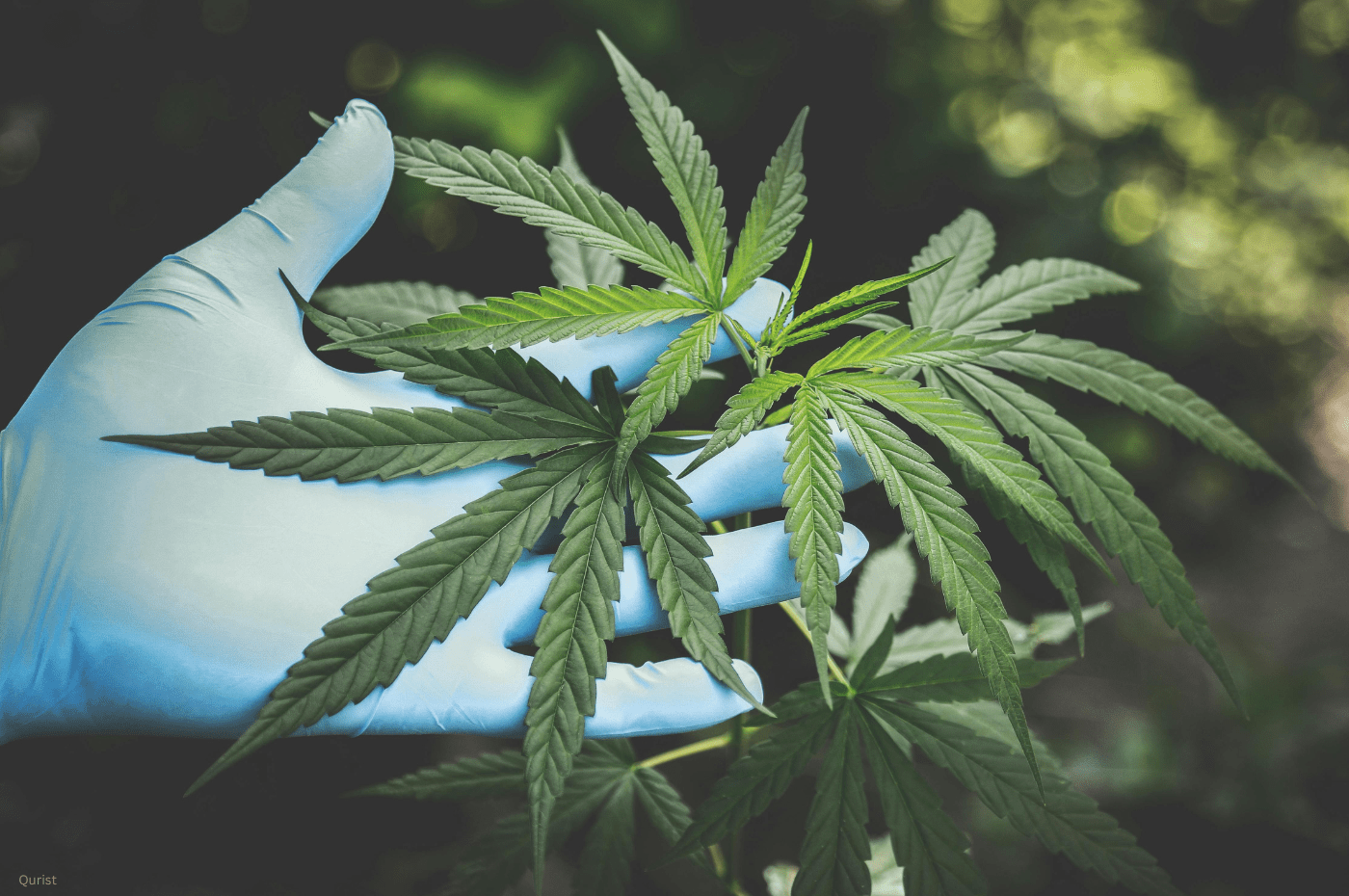
CBD (Cannabidiol) interacts with the body's endocannabinoid system to modulate pain signals and reduce inflammation. Many chronic pain patients report significant relief without the side effects of conventional pain medications.
Ginger offers natural anti-inflammatory and analgesic properties particularly effective for muscle pain, arthritis, and menstrual discomfort. Fresh ginger tea or supplements can provide gentle, ongoing pain support.
Omega-3 Fatty Acids from fish oil or algae reduce inflammatory pain throughout the body, particularly beneficial for joint pain and inflammatory conditions.
Complementary Therapies
Various hands-on and energy-based approaches complement other holistic pain management techniques, offering relief through different mechanisms.
Acupuncture involves inserting thin needles at specific points to stimulate the body's natural pain-relieving systems. Research supports its effectiveness for back pain, neck pain, osteoarthritis, and headaches.
Massage Therapy reduces muscle tension, improves circulation, and promotes relaxation while providing immediate pain relief. Regular massage can address both pain symptoms and underlying muscle dysfunction.
Heat and Cold Therapy remain simple yet effective tools. Heat relaxes muscles and improves blood flow, while cold reduces inflammation and numbs acute pain. Knowing when to use each enhances pain management effectiveness.
Lifestyle Factors in Pain Management
Daily habits and lifestyle choices create the foundation for successful chronic pain holistic management.
Sleep Quality dramatically affects pain perception. Poor sleep intensifies pain, while pain disrupts sleep, creating a vicious cycle. Prioritizing sleep hygiene and addressing sleep disorders becomes essential for pain management success.
Stress Management reduces pain by lowering stress hormones that increase pain sensitivity and muscle tension. Regular relaxation practices, counseling, or stress-reduction techniques should be integral to pain management plans.
Social Connection provides emotional support and practical help that reduces pain's impact on daily life. Isolation worsens pain perception, while strong relationships improve coping and overall wellbeing.
Creating your Holistic Pain Management Plan
Effective holistic approaches require personalization and patience. What works for one person may not work for another, making experimentation and adjustment necessary.
Start Gradually by introducing one or two new strategies at a time. Building sustainable habits requires starting small and expanding as techniques become routine.
Track Your Progress through pain journals noting pain levels, activities, mood, and relief strategies. Patterns emerge over time, helping you identify what works best for your unique situation.
Work with Healthcare Providers who understand and support holistic approaches. Collaborative care combining conventional and alternative pain management techniques often provides the most comprehensive relief.
Be Patient as many holistic methods require weeks or months to show full benefits. Unlike medications providing quick relief, these approaches create lasting change through gradual healing and adaptation.
Conclusion
Holistic pain management offers hope beyond the limitations of pharmaceutical-only approaches. By addressing physical, emotional, mental, and lifestyle factors simultaneously, comprehensive strategies can provide significant, sustainable relief while improving overall health and quality of life.
The journey requires commitment and patience, but the rewards include reduced medication dependence, fewer side effects, improved function, and a sense of empowerment in managing your health.
About Qurist
Qurist supports comprehensive, holistic approaches to chronic pain management through high-quality CBD products that complement broader wellness strategies. Our plant-based solutions offer natural pain relief without the dependency risks of conventional medications.
Why Choose Qurist:
- Natural Pain Support: CBD products that work with your body's endocannabinoid system
- Anti-Inflammatory Properties: Plant compounds that address pain at its source
- Non-Habit Forming: Relief without dependency or withdrawal concerns
- Holistic Integration: Products designed to complement comprehensive pain management plans
Holistic pain management works best under professional guidance that respects both conventional and alternative approaches. Qurist supports your journey toward comprehensive pain relief through quality products and commitment to your overall wellbeing.
(Disclaimer: ALWAYS speak to your doctor before starting CBD.)


Leave a comment
All comments are moderated before being published.
This site is protected by hCaptcha and the hCaptcha Privacy Policy and Terms of Service apply.