


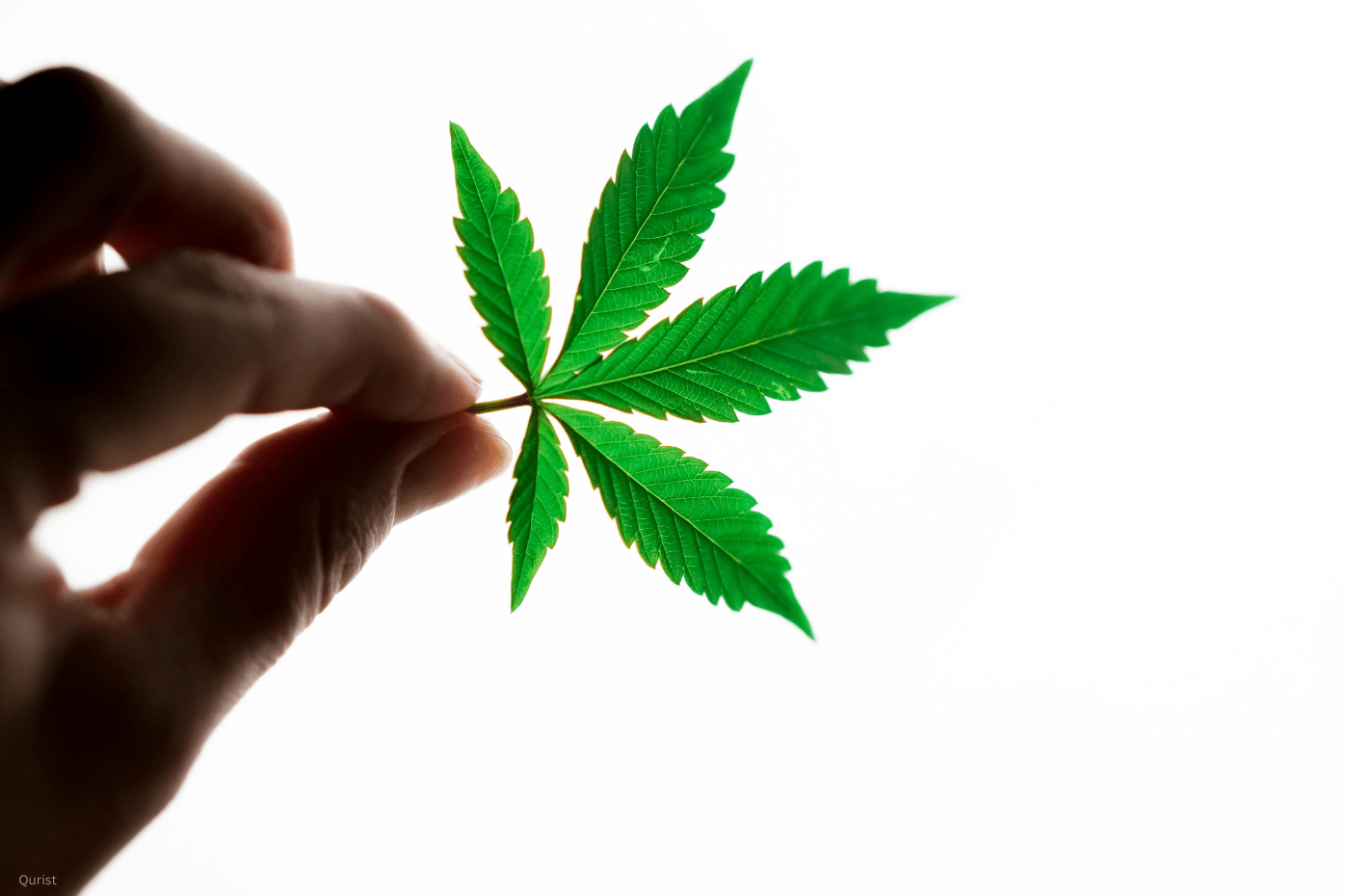
The phone call started like any other until Priya mentioned she was considering CBD oil for her chronic anxiety. The silence on the other end stretched uncomfortably before her mother's worried voice broke through: "Beta, isn't that drugs? What will people say?" This scene plays out in households across India daily, highlighting the complex challenge of bridging generational differences in healthcare perspectives between modern treatments and traditional Indian family values.
For many young Indians exploring medical cannabis, the biggest hurdle isn't accessing products or finding healthcare providers—it's having honest conversations with parents who associate cannabis with moral failure rather than medical treatment.
Understanding the Generational Divide
Indian parents' skepticism about medical cannabis stems from decades of anti-drug messaging, cultural taboos, and genuine concern for their children's well-being. Their resistance often masks deeper fears: social judgment, legal consequences, and the belief that they've failed as parents if their children need such treatments.
Cultural Context Matters Deeply. The generation that lived through India's strict anti-drug campaigns of the 1970s-80s naturally associates cannabis with criminal behavior and social destruction. For them, the distinction between recreational abuse and medical therapy isn't immediately clear.
Traditional medicine preferences run strong in Indian families. Parents who trust Ayurvedic remedies, homeopathy, or conventional allopathic medicine may view medical cannabis as an unnecessary Western import rather than recognizing its ancient Indian medicinal roots.
Social Stigma Concerns weigh heavily on Indian parents who worry about family reputation, marriage prospects for children, and community standing. These aren't trivial concerns in closely knit Indian communities where medical choices become family matters.
Preparing for the Conversation
Successful intergenerational health discussions require preparation, patience, and cultural sensitivity. The goal isn't winning an argument but opening dialogue that respects both perspectives.
Choose Your Timing Wisely. Avoid bringing up medical cannabis during stressful family moments or when parents are already worried about other issues. Select calm, private settings where honest conversation can flow naturally.
Gather Credible Information from reputable medical sources rather than social media testimonials. Indian parents respect authority figures and established institutions, so documentation from recognized medical organizations carries more weight than personal anecdotes.
Prepare for Emotional Reactions. Initial responses may include shock, disappointment, or anger. These reactions often stem from love and concern rather than rejection, so patience becomes essential for productive dialogue.
Starting the Conversation Strategically
Begin with Health, Not Cannabis. Start by discussing your specific health condition, symptoms, and how they impact daily life. Help parents understand your medical need before introducing potential treatments.
"Mummy, I've been struggling with chronic pain that affects my sleep and work. I've tried several treatments with Dr. A, and we're exploring all safe options to help me feel better."
Connect to Traditional Medicine. Many Indian parents don't realize cannabis has deep roots in traditional Indian medicine. Mentioning its historical use in Ayurveda can help reframe the conversation.
"Did you know that cannabis was used in traditional Indian medicine for centuries? It's mentioned in ancient Ayurvedic texts for treating various conditions."
Emphasize Medical Supervision. Highlighting doctor involvement and prescription protocols helps distinguish medical cannabis from recreational drug use, addressing parents' primary concerns about safety and legitimacy.
Addressing Common Parental Concerns
"What Will Society Think?" Acknowledge this genuine concern while emphasizing that medical treatments should prioritize health over opinions. Share examples of increasing medical cannabis acceptance in Indian society and changing attitudes among healthcare professionals.
"Is It Legal? Safe?" Provide clear information about Indian medical cannabis regulations and safety profiles. Explain quality control measures, standardized dosing, and medical supervision that differentiate medical products from illegal substances.
"Why Can't You Try Normal Medicine?" Explain that medical cannabis represents another tool in comprehensive healthcare, often used alongside conventional treatments rather than replacing them. Share how other traditional and modern treatments haven't provided adequate relief.
"Are You Addicted?" Address addiction concerns by explaining the difference between medical use under supervision and recreational abuse. Discuss how medical cannabis can actually help reduce dependence on more problematic medications like opioids.
Building Understanding Over Time
Share educational resources in languages your parents understand. Many Indian parents appreciate written materials they can review privately before discussing further.
Involve healthcare providers when possible. Having your doctor explain medical cannabis to parents during appointments can provide the authoritative voice they respect.
Start small with success stories. Share stories of other Indian families who've successfully integrated medical cannabis into healthcare routines, particularly those from similar cultural backgrounds.
Address mental health awareness gently. For conditions like anxiety or depression, help parents understand these are legitimate medical conditions deserving proper treatment, not personal weaknesses or family failures.
Creating Family Health Harmony
Respect traditional wisdom while advocating for modern options. Acknowledge the value of traditional remedies your family has used while explaining how medical cannabis can complement rather than replace this knowledge.
Emphasize quality of life. Help parents understand how untreated symptoms affect your relationships, career, and overall happiness—outcomes they deeply care about.
Invite them into your healthcare journey. Rather than excluding parents from medical decisions, invite them to participate in research, doctor visits, and treatment planning when appropriate.
Moving Forward Together
Successful cannabis conversations with Indian parents rarely happen in single discussions. They evolve through patient, respectful dialogue that honors both generational perspectives and individual healthcare needs.
The goal isn't converting parents into cannabis advocates overnight, but creating space for honest health discussions that strengthen family bonds while supporting individual wellness choices.
About Qurist
Qurist understands that medical cannabis decisions affect entire Indian families, not just individual patients. We're committed to supporting intergenerational health discussions through educational resources, family-friendly information, and culturally sensitive approaches to medical cannabis education.
Why Choose Qurist:
- Family-Focused Education: Resources designed for Indian family dynamics and cultural sensitivities.
- Generational Bridge-Building: Materials that respect traditional values while explaining modern medical cannabis applications.
- Professional Healthcare Support: Connections with healthcare providers experienced in family-centered care.
- Cultural Understanding: Deep appreciation for Indian family structures and decision-making processes.
Medical cannabis decisions should always involve healthcare providers and respect family dynamics. Qurist supports open, honest family conversations that prioritize both individual health needs and family harmony in the Indian cultural context.
(Disclaimer: ALWAYS speak to your doctor before starting CBD.)



Leave a comment
All comments are moderated before being published.
This site is protected by hCaptcha and the hCaptcha Privacy Policy and Terms of Service apply.