



Pain relief shouldn't come with a price tag your body can't afford. Yet millions of people worldwide find themselves trapped in a cycle where the very medications meant to help them begin causing new problems. Whether you're managing chronic pain from arthritis, recovering from surgery, or dealing with ongoing back issues, understanding what prolonged painkiller use does to your body is crucial for making informed health decisions.
The journey often starts innocently, a prescription after dental work, medication for chronic headaches, or relief from persistent joint pain. Months or years later, many patients discover they're dealing with complications they never saw coming.
When Pain Relief Becomes the Problem
Painkillers work by altering how your brain processes pain signals, but your body isn't designed for permanent chemical interference. Over time, these medications begin affecting systems far beyond pain pathways, creating a cascade of complications that can be more challenging than the original condition.
The most concerning aspect? Many long-term effects develop silently, becoming apparent only after significant damage has occurred. Understanding these risks empowers you to work with healthcare providers on safer, more sustainable pain management strategies.
The Opioid Impact: Beyond Addiction Headlines
While addiction dominates headlines, opioid medications like morphine, oxycodone, and fentanyl create numerous other long-term complications that affect daily life and overall health.
Hormonal Disruption emerges as one of the most widespread effects. Long-term opioid use suppresses testosterone production in men and disrupts menstrual cycles in women. Patients report decreased libido, fatigue, mood changes, and bone density loss, effects that persist even after stopping medication.
Immune System Suppression leaves patients vulnerable to infections and slower healing. Research shows opioid users experience more frequent respiratory infections, delayed wound healing, and increased surgical complications.
Hyperalgesia, increased pain sensitivity, creates a cruel irony where pain medications actually make patients more sensitive to pain over time. This forces dose increases that compound other side effects while providing diminishing relief.
Cognitive Effects include memory problems, difficulty concentrating, and slowed thinking. These "brain fog" symptoms can persist for months after discontinuing opioids, affecting work performance and quality of life.
NSAIDs: The Seemingly Safe Choice with Hidden Dangers
Non-steroidal anti-inflammatory drugs (NSAIDs) like ibuprofen, naproxen, and diclofenac appear safer than opioids, leading many to use them liberally for years. However, long-term NSAID use carries serious risks that develop gradually and often without warning.
Cardiovascular Complications represent the most serious concern. Regular NSAID use increases heart attack and stroke risk by 10-50%, depending on the specific medication and dosage. This risk begins within weeks of starting treatment and increases with duration and dose.
Kidney Damage develops silently, as NSAIDs reduce blood flow to kidneys and interfere with their filtering function. Chronic users may develop kidney disease requiring lifelong management or dialysis. The damage often becomes apparent only after significant kidney function is lost.
Gastrointestinal Bleeding affects long-term NSAID users annually. Stomach ulcers, intestinal bleeding, and perforation can occur without warning symptoms, creating life-threatening emergencies.
Blood Pressure Elevation occurs as NSAIDs interfere with blood pressure regulation. Patients may require additional medications to control hypertension, creating complex drug interactions and increased healthcare costs.
Acetaminophen: The Overlooked Liver Threat
Acetaminophen (paracetamol) enjoys a reputation as the "safest" painkiller, yet chronic use at recommended doses can cause significant liver damage. The medication overwhelms the liver's detoxification capacity, leading to cell death and scarring.
Silent Liver Damage progresses without symptoms until severe dysfunction occurs. Patients may experience fatigue, nausea, or abdominal pain only after significant liver damage has developed.
Interaction Amplification occurs when acetaminophen combines with alcohol, other medications, or supplements, dramatically increasing toxicity risk. Even moderate alcohol consumption while using acetaminophen regularly can cause liver failure.
The Cascade Effect: How Problems Multiply
Long-term painkiller use rarely causes isolated problems. Instead, complications interact and amplify each other:
Sleep Disruption from opioids leads to increased pain sensitivity, requiring higher doses.
Constipation from opioids causes abdominal pain, leading to additional medication use.
Kidney problems from NSAIDs worsen high blood pressure, requiring more medications that may interact with painkillers.
Mood Changes from chronic medication use can lead to depression and anxiety, often treated with additional medications that create their own side effects and interactions.
Recognizing the Warning Signs
Your body provides early warnings about long-term painkiller complications:
- Energy Changes: Persistent fatigue, reduced motivation, or hormonal symptoms
- Digestive Issues: Chronic constipation, stomach pain, or heartburn
- Cognitive Changes: Memory problems, concentration difficulties, or mental fog
- Mood Alterations: Increased anxiety, depression, or emotional numbness
- Physical Changes: Easy bruising, slow healing, or frequent infections
Alternatives to Painkillers
Recognition of these risks has sparked interest in comprehensive pain management approaches that reduce medication dependence while maintaining quality of life.
Integrative strategies combine reduced medication use with physical therapy, stress management, and natural anti-inflammatory approaches. Many patients successfully reduce their medication needs while improving overall function and wellbeing.
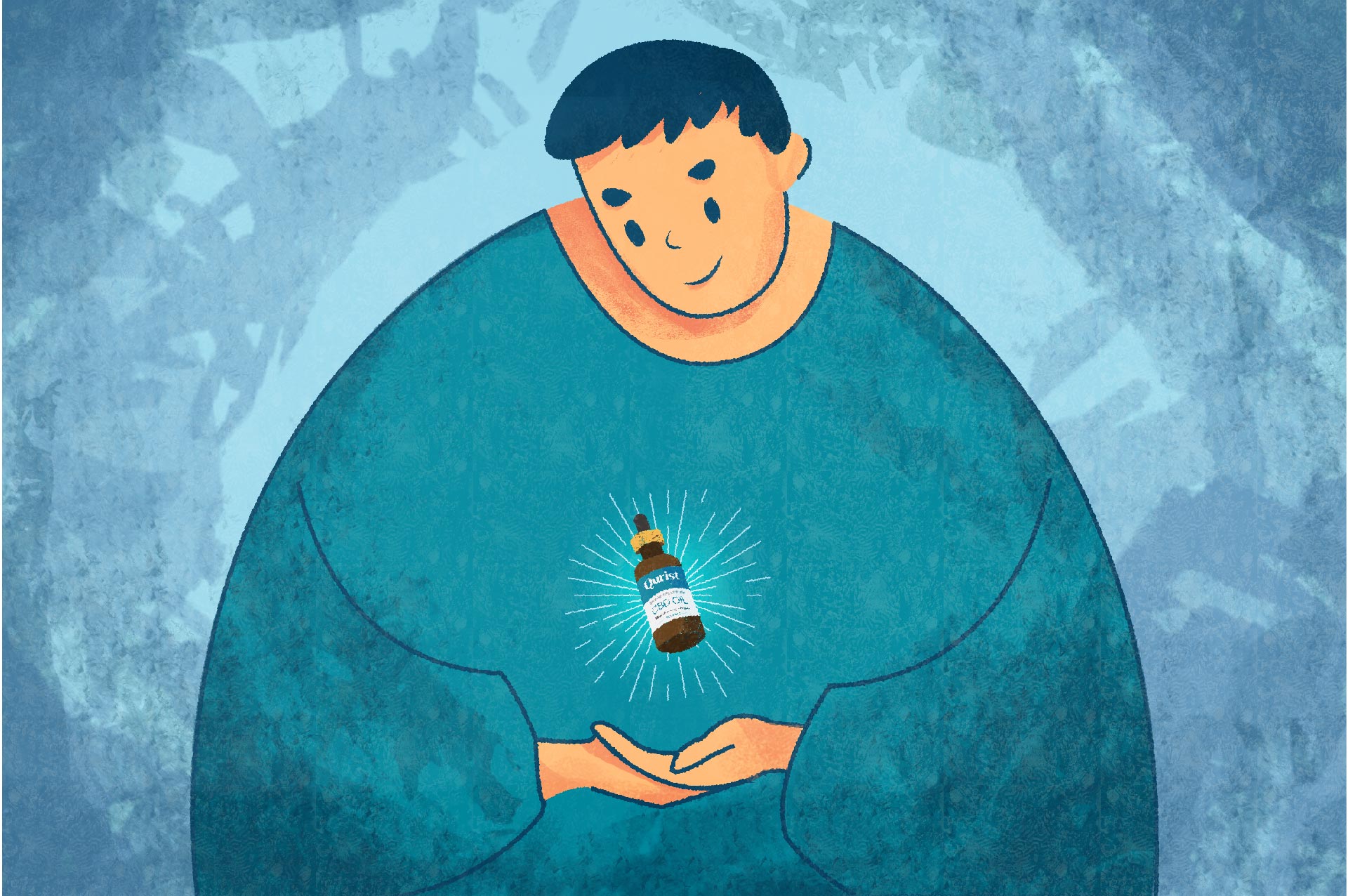
Natural alternatives including CBD oil, turmeric, and other plant-based compounds offer anti-inflammatory and pain-relieving properties with fewer long-term risks. These approaches work best when integrated into comprehensive treatment plans under medical supervision.
You can also try pain relief cannabis pills.
Making Informed Decisions
Understanding long-term painkiller risks doesn't mean avoiding all pain medication—it means using them thoughtfully as part of balanced treatment approaches. Work with healthcare providers to develop strategies that provide adequate pain relief while minimizing long-term health impacts.
The goal isn't living with unmanaged pain, but finding sustainable solutions that support long-term health and quality of life.
About Qurist
For those seeking natural alternatives to complement their pain management strategy, Qurist offers India's most trusted medical cannabis products. As the country's leading medical cannabis brand, Qurist is committed to transparency, quality, and supporting individuals on their wellness journey.
Why Choose Qurist:
- 100% Natural: Premium CBD products sourced from organically grown hemp
- Anti-inflammatory Support: Natural compounds that may help reduce inflammation and pain
- Non-Habit Forming: Plant-based support without dependency concerns
- Third-Party Tested: Rigorous quality testing ensures purity and potency
- Medical-Grade Standards: Products designed to meet the highest safety and efficacy standards
Qurist understands that sustainable pain management requires reliable, natural options that support long-term wellbeing rather than creating new health challenges.
Never discontinue prescribed pain medications without medical supervision. Sudden cessation can be dangerous and should always be managed by healthcare providers. Natural alternatives work best as part of medically supervised, comprehensive pain management plans.
(Disclaimer: ALWAYS speak to your doctor before starting CBD.)


Leave a comment
All comments are moderated before being published.
This site is protected by hCaptcha and the hCaptcha Privacy Policy and Terms of Service apply.