


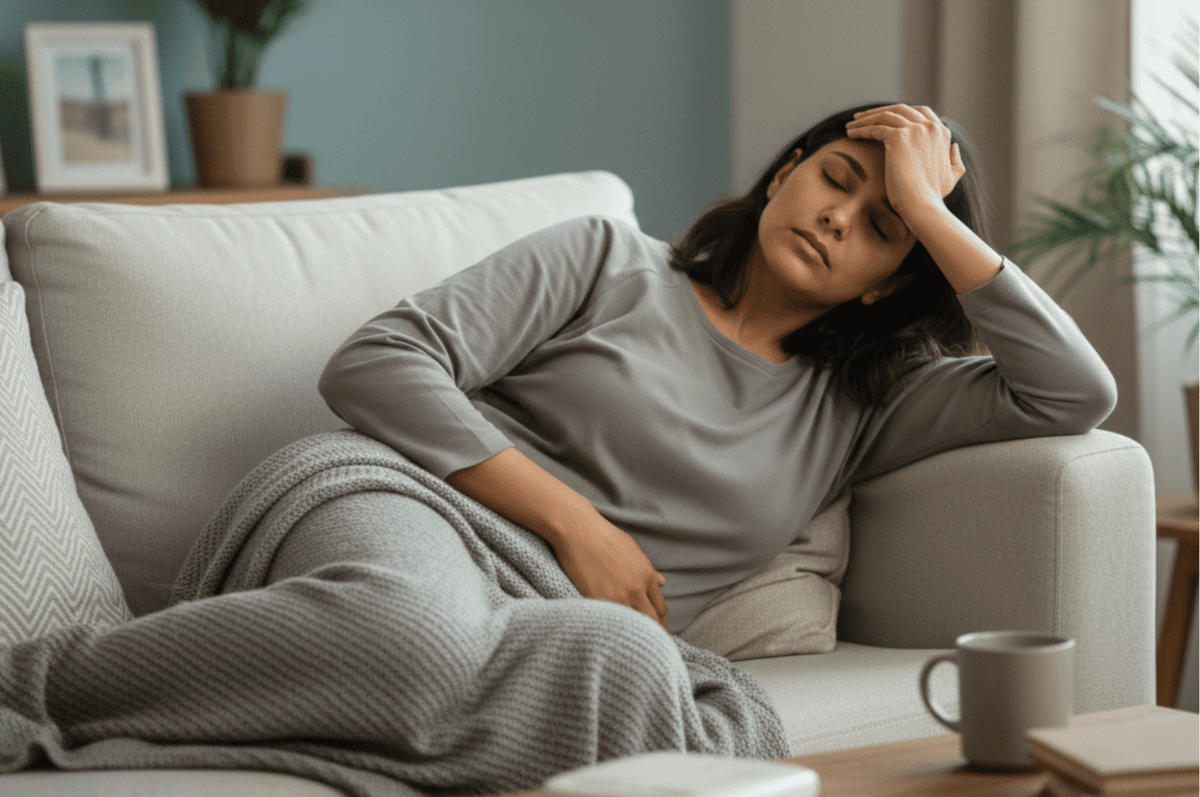
Living with endometriosis isn't just about managing symptoms—it's about reclaiming your life from chronic pain that can feel completely overwhelming. If you've been diagnosed with endometriosis, you already know the monthly cycle of dread, the cancelled plans, and those moments when even getting out of bed feels impossible.
While medical treatment is essential, many women find that a comprehensive approach combining traditional medicine with complementary strategies gives them the best chance at managing their symptoms. The truth is, what works varies dramatically from person to person, and finding your unique combination of relief strategies often takes patience and experimentation.
Let's explore some evidence-based complementary approaches that have helped many women find meaningful relief from endometriosis pain.
Understanding Your Pain: Why Endometriosis Hurts So Much
Before we talk about relief, it helps to understand what's actually happening in your body. Endometriosis occurs when tissue similar to your uterine lining grows outside the uterus—on your ovaries, fallopian tubes, and sometimes even on organs like your bladder or intestines. Each month during your cycle, this tissue responds to hormonal changes just like your uterine lining does, but unlike menstrual blood, it has nowhere to go.
The result? Inflammation, scarring, and adhesions that can cause severe pelvic pain, painful periods, pain during intercourse, and sometimes chronic discomfort that doesn't follow any predictable pattern.
According to research published in the journal Human Reproduction Update, the pain associated with endometriosis involves complex mechanisms including neurogenic inflammation, central sensitisation, and altered pain processing in the brain.
This complexity is actually why a multi-faceted approach often works better than any single intervention alone.
Anti-Inflammatory Nutrition: Eating Your Way to Less Pain
Foods That Fight Inflammation
You've probably heard the phrase "you are what you eat," and when it comes to endometriosis, diet can genuinely make a difference. Chronic inflammation is at the heart of endometriosis pain, and certain foods can either fuel that fire or help calm it down.
Focus on incorporating these anti-inflammatory powerhouses into your daily meals:
- Fatty fish like salmon, mackerel, and sardines (rich in omega-3s that actively reduce inflammation)
- Leafy greens such as spinach, kale, and Swiss chard (packed with antioxidants)
- Berries—especially blueberries, strawberries, and raspberries
- Turmeric and ginger (both have powerful anti-inflammatory compounds)
- Nuts and seeds, particularly walnuts, flaxseeds, and chia seeds
- Green tea (contains epigallocatechin gallate, or EGCG, which may help suppress endometrial tissue growth)
A 2025 systematic review found that women who consumed diets high in fruits, vegetables, and omega-3 fatty acids reported significant reductions in endometriosis-related pain compared to those with standard Western diets.
What to Minimize or Avoid
Just as important as what you add to your plate is what you might want to reduce. Consider cutting back on:
-
Red meat and processed meats (linked to increased inflammation and prostaglandin production)
- Trans fats found in fried foods and many baked goods
-
Refined carbohydrates and excessive sugar
- Alcohol (can increase estrogen levels and inflammation)
- Caffeine (for some women, though responses vary widely)
Movement as Medicine: Gentle Exercise for Pain Relief
It’s understandable—when you're in pain, the last thing you feel like doing is exercising. But here's the thing: gentle, regular movement can actually help reduce endometriosis pain over time. The key word here is "gentle." We're not talking about high-intensity interval training or running marathons.
Exercise helps by:
- Reducing overall inflammation in your body
- Releasing endorphins, your body's natural pain relievers
- Improving blood flow to pelvic organs
- Potentially lowering estrogen levels (high estrogen can worsen endometriosis)
Consider these low-impact options:
- Yoga: These gentle practices can help release tension in the pelvic floor muscles, which often become tight and painful with endometriosis. Research from Complementary Therapies in Medicine shows that women who practiced yoga regularly experienced significant improvements in pain and quality of life.
- Walking: Something as simple as a 20-30 minute daily walk can make a real difference. Listen to your body and adjust the pace and duration based on how you're feeling.
- Pilates: Focused core strengthening without high impact can help improve pelvic stability and reduce pain.
The important thing is finding movement that feels good to you and being flexible with your routine when you're having a flare-up.
Heat Therapy: Your Portable Pain Relief
Never underestimate the power of heat for managing endometriosis pain. It's one of the oldest remedies in the book, and it works. Heat increases blood flow to the painful area, relaxes muscle tension, and can provide immediate relief during those brutal cramping episodes.
Try these heat therapy approaches:
- Heating pads on your lower abdomen or lower back (invest in one you can wear while moving around)
- Warm baths with Epsom salts (the magnesium can help relax muscles)
- Hot water bottles—old school but effective
- Adhesive heat wraps that you can wear discreetly under clothing
According to a study in Evidence-Based Complementary and Alternative Medicine, topical heat therapy was found to be as effective as ibuprofen for treating primary dysmenorrhea (painful periods), with the added benefit of being completely drug-free.
CBD and Cannabis: Emerging Options for Pain Management
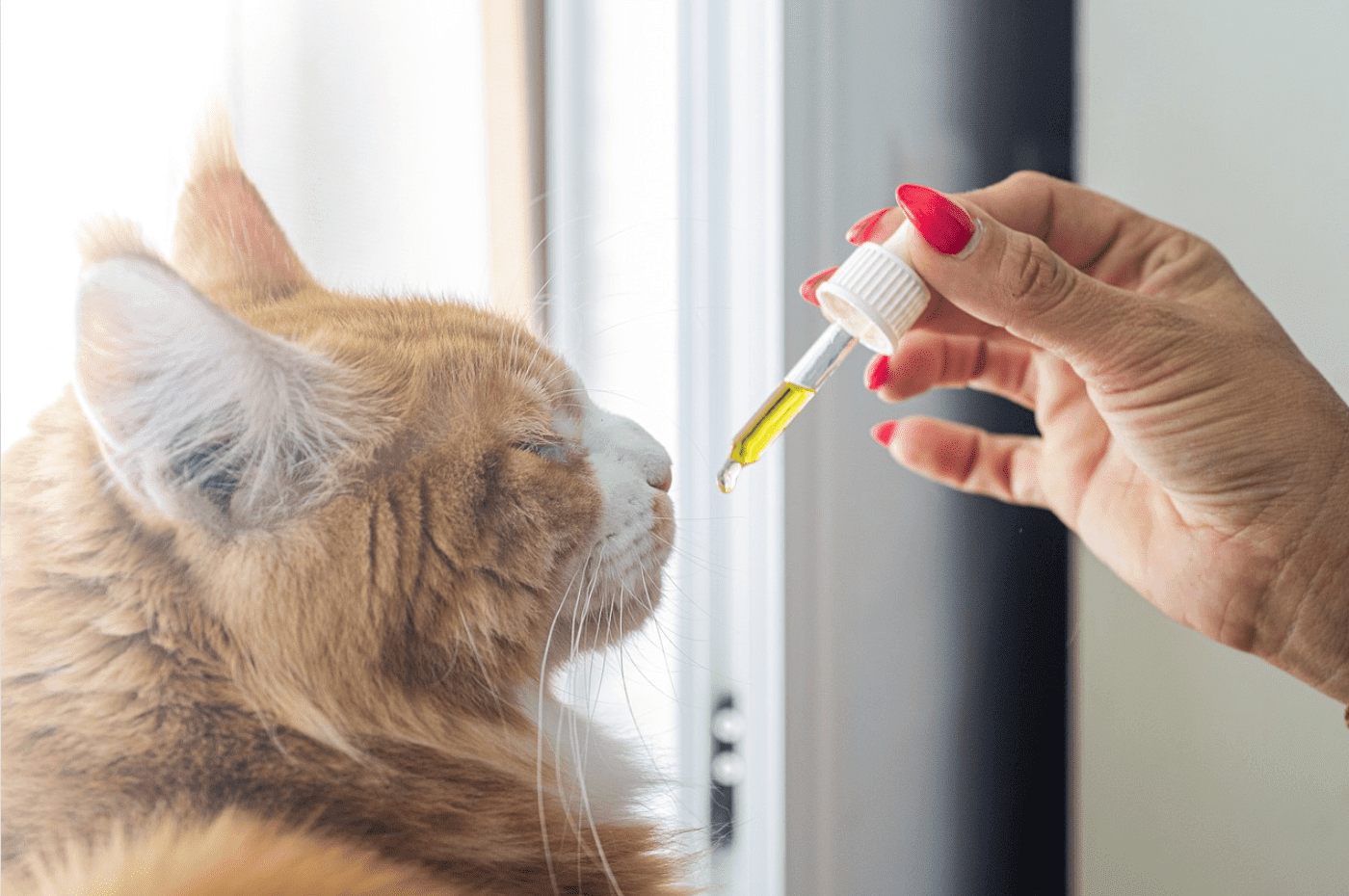
Cannabidiol (CBD) and other cannabis compounds have gained significant attention as potential options for managing chronic pain, including endometriosis-related discomfort. While research is still in relatively early stages, what we're learning is promising.
How CBD May Help
CBD interacts with your body's endocannabinoid system, which plays a role in regulating pain, inflammation, and immune responses. For endometriosis specifically, CBD may help by:
- Reducing inflammation in endometrial tissue
- Modulating pain signals in the nervous system
- Helping with muscle relaxation and spasm reduction
- Supporting better sleep quality (which is often disrupted by chronic pain)
A survey study published in the Journal of Women's Health found that women who used cannabis for endometriosis pain reported significant improvements in their symptoms, with many able to reduce their use of other pain medications.
Choosing Quality CBD Products
If you're considering CBD, quality matters enormously. Look for:
- Third-party lab testing results (reputable companies make these readily available)
- Full-spectrum or broad-spectrum products (contain beneficial compounds beyond just CBD)
- Organic, non-GMO hemp sources
- Clear labeling with exact CBD content per serving
At Qurist, we understand that managing chronic pain requires reliable, high-quality wellness products. Our premium CBD formulations are specifically designed with purity and potency in mind, helping you find the relief you deserve.
Start with a low dose and gradually increase while monitoring how your body responds. Many women find that combining CBD with other complementary strategies enhances overall relief.
Creating Your Personal Pain Management Plan
Here's the reality: managing endometriosis pain isn't about finding one magic solution. It's about creating a personalized toolkit of strategies that work together to give you the best quality of life possible.
Start by:
- Tracking your symptoms to identify patterns (what makes pain better or worse)
- Choosing 2-3 strategies from this article that resonate most with you
- Committing to trying them consistently for at least 2-3 months (many approaches take time to show full benefits)
- Keeping notes on what works and what doesn't
- Working closely with your healthcare team to integrate complementary approaches with medical treatment
Remember that what works brilliantly for one woman might not work for you, and that's completely normal. Be patient with yourself as you explore different options.
Moving Forward with Hope
Living with endometriosis can feel isolating and overwhelming, but you're not alone in this journey. While we don't yet have a cure, we do have an expanding array of tools and strategies to help manage symptoms and improve quality of life.
The complementary approaches we've explored—from nutrition and gentle movement to CBD, stress management, and bodywork—all have evidence supporting their use. When combined thoughtfully with appropriate medical care, they offer real hope for meaningful pain relief.
Be gentle with yourself. Some days will be harder than others, and that's okay. Focus on progress, not perfection, and celebrate small victories along the way. Every step you take toward better pain management is a step toward reclaiming your life.
If you're exploring CBD as part of your pain management strategy, Qurist is here to support you with premium, lab-tested products designed with your wellness in mind. Your journey to better pain management starts with informed choices and quality options you can trust.
Medical Disclaimer: This article is for informational purposes only and is not intended as medical advice. Endometriosis requires proper medical diagnosis and treatment. Always consult with your healthcare provider before starting medical cannabis or any new treatment, supplement, or wellness regimen, especially if you're taking medications or have other health conditions. Individual results may vary, and what works for one person may not work for another.

Leave a comment
All comments are moderated before being published.
This site is protected by hCaptcha and the hCaptcha Privacy Policy and Terms of Service apply.