


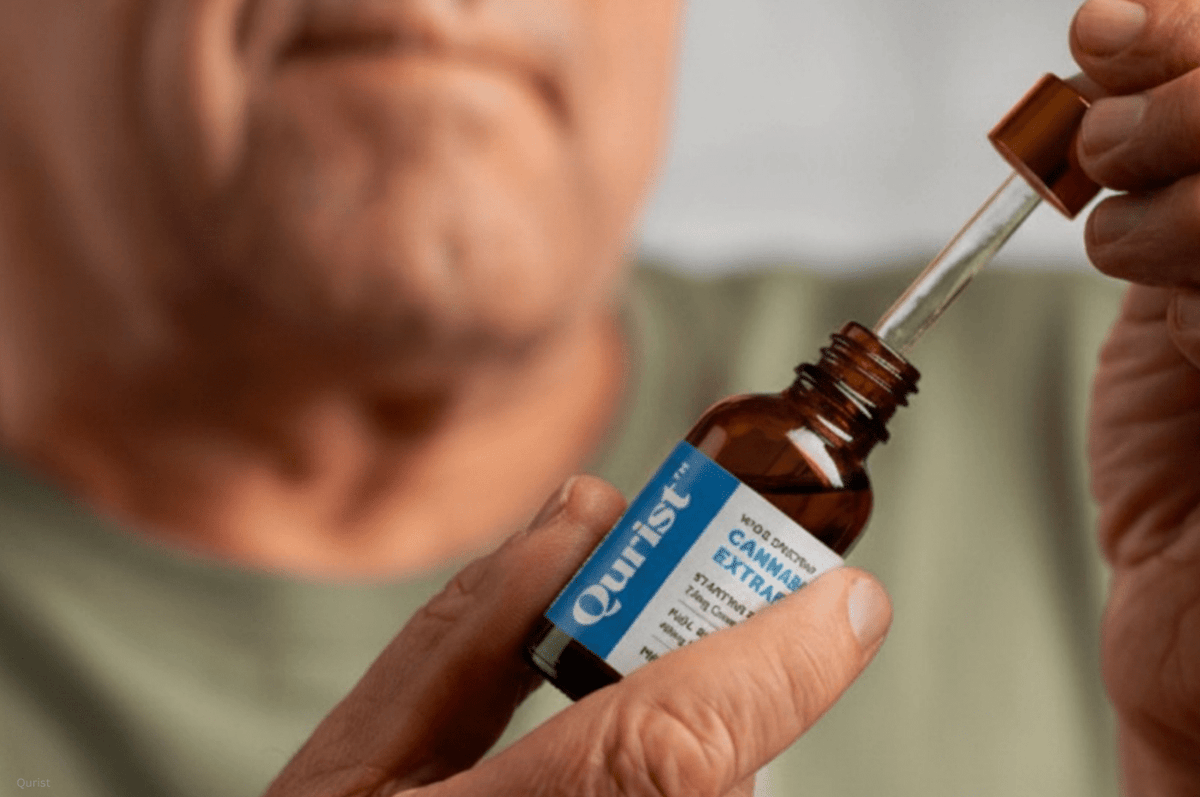
In wellness and therapeutic circles, cannabidiol (CBD) has quickly emerged as one of the most talked-about natural substances. People are becoming more interested in its potential advantages, which range from pain relief and inflammation to anxiety and sleep support. A common query that goes along with this interest is whether the body develops a tolerance to CBD—and, just as importantly, whether it is okay to take CBD daily.
Understanding CBD: How It Works in the Body
CBD is a naturally occurring compound found in the Cannabis sativa plant. It is different from THC (tetrahydrocannabinol), which is known for producing psychoactive effects. CBD does not cause a “high,” and it does not bind strongly to the main cannabinoid receptors, CB1 and CB2, in the brain and nervous system. Instead of acting directly on these receptors, CBD works through other pathways in the body and affects several normal physiological functions.
Mechanisms of Action
The exact way CBD works in the human body is still being studied, but research has highlighted a few important mechanisms:
- Modulation of cannabinoid receptors: CBD does not bind to cannabinoid receptors the way THC does. Instead, it appears to influence how the endocannabinoid system functions overall.
- Serotonin receptors: CBD may interact with serotonin receptors, especially 5-HT1A. These receptors are known to play a role in mood and anxiety regulation.
- TRPV1 and other receptors: CBD can act on receptors that are involved in pain signaling and inflammation in the body.
- Enzyme interaction: CBD may influence enzymes that control the breakdown of the body’s own cannabinoids, which can change how signals are sent within the system.
Importantly, this polypharmacology, that is, activity at many targets rather than one, means CBD’s effects may be broad but also less prone to simple patterns of receptor saturation and desensitization that are seen with many conventional drugs.
What is Tolerance?
Tolerance is what happens when your body gets used to a substance over time. After repeated use, the same amount does not work as well as it used to, so people often need a higher dose to feel the same effect. This is common with many medicines and substances, especially ones that strongly activate specific receptors in the body, like opioids or THC.
When that happens, your cells try to maintain balance. They may reduce the number of receptors available, which is called down-regulation, or make those receptors less responsive. In simple terms, your body turns the volume down on the signal.
With THC, tolerance is well understood. It mainly happens because CB1 receptors in the brain become less sensitive and are pulled inside the cell, a process known as desensitization and internalization. Because of this, THC does not affect you as strongly with repeated use.
This brings up an important question. Since CBD works very differently in the body and does not strongly activate CB1 receptors like THC does, does it lead to tolerance in the same way, or does it behave differently?
CBD Tolerance: What the Evidence Shows
Limited Human Evidence
Unlike THC, high‑quality evidence showing that CBD causes tolerance in humans is sparse. Research has not definitively shown that people reliably need progressively higher doses of CBD over time to achieve the same effects. Current long‑term clinical data on CBD use in humans is limited, and most studies focus on specific medical applications.
A small observation in an epilepsy context found that a fraction of patients developed reduced responsiveness to CBD‑rich formulations over many months. However, these products typically contained both CBD and trace amounts of THC, and the tolerance observed may relate in part to THC’s mechanisms, not CBD alone.
Beyond this isolated finding, scientific literature does not robustly support classic tolerance development with CBD the way it does with many pharmaceuticals or THC.
Why CBD Might Not Cause Classic Tolerance
There are several theoretical reasons why CBD is less prone to classical tolerance:
- Indirect interaction with cannabinoid receptors: CBD does not bind strongly to CB1 receptors and is not a classic agonist, making receptor desensitization less likely.
- Multiple molecular targets: CBD’s broad action profile may spread its effects across many systems rather than repeatedly overstimulating a single receptor target that would tend toward tolerance.
That said, due to the limited number of long‑term controlled studies in healthy populations, it cannot be said definitively that tolerance is impossible. Interestingly, some anecdotal reports suggest the possibility of 'reverse tolerance,' where users feel effects at lower doses after consistent use, though this lacks robust clinical confirmation.
The Place of CBD in Therapeutic Use
While tolerance remains an open scientific question, CBD has shown promising therapeutic effects in certain conditions, albeit with varying degrees of evidence.
Conditions With Stronger Evidence
CBD has clear evidence for reducing seizure frequency in specific epilepsy syndromes, which is why an FDA‑approved pharmaceutical form exists.
For other purposes, such as anxiety, sleep support, pain, and inflammation, clinical evidence is more mixed. Studies often lack consistent results or have limited sample sizes, making firm conclusions difficult.
Safety and Precautions
CBD is generally well tolerated at moderate doses, although side effects can occur, especially at higher intake levels. These may include fatigue, gastrointestinal symptoms, changes in appetite, and mild sedation.
Important considerations include:
- Liver effects: High doses of CBD in controlled settings have been linked to elevations in liver enzymes, which should be monitored under medical supervision.
- Drug interactions: CBD can interact with medications metabolized by liver enzymes, highlighting the importance of professional consultation before starting use.
Because over‑the‑counter CBD products are not consistently regulated, their actual CBD content and purity can vary widely. This makes effects unpredictable and underscores the need for consultation with qualified healthcare practitioners before starting any regimen.
Practical Advice: Use, Expectations, and Consultation
Is It Okay to Take CBD Daily?
For most people, taking CBD daily is considered safe when used at moderate doses and alongside professional guidance. Research and clinical observations suggest that CBD is generally well tolerated with consistent use and, unlike substances such as opioids or THC, does not carry a significant risk of physical dependence or classical tolerance development. That said, individual responses vary. Factors such as body weight, metabolism, the quality of the product, and any underlying health conditions all influence how CBD behaves day to day. Starting at a low dose, monitoring your response, and adjusting gradually under medical supervision is the most sensible approach to daily use.
Managing Expectations
Given the current evidence:
- It is unlikely that CBD leads to classic pharmacological tolerance in most people, especially when taken at moderate doses.
- Some individuals may feel less effect over time, but this may relate to initial expectations, product inconsistency, or concurrent lifestyle and health factors — not necessarily true tolerance.
Safety and Professional Guidance
Before starting CBD:
- Consult a doctor or healthcare provider, especially if you are taking other medications or have underlying health conditions.
- Discuss dosing plans and appropriate product selections to match your health goals.
- Ask about potential liver monitoring if long‑term or high‑dose use is planned.
The Role of Quality and Standardization
High‑quality, transparently tested CBD products are essential for reliable experience and safety. This is where thoughtfully formulated oils like Qurist can play a role. Qurist focuses on standardized extraction, third‑party testing, and clear labeling, helping minimize product variability that can confound both effectiveness and user experience.
Additionally, Qurist products are best used as part of a comprehensive approach that includes lifestyle habits and professional guidance, rather than as a standalone cure‑all.
Conclusion: CBD Tolerance; Mostly Fiction, With Nuances
The evidence to date suggests that CBD does not reliably produce tolerance in the traditional pharmacological sense, unlike substances that act directly on single receptor systems. While isolated observations hint at reduced responsiveness in some long‑term users, this is not well established and may be influenced by product quality, THC content, or other factors.
CBD’s value as a potential therapeutic or wellness aid continues to be explored, and benefits appear most consistent in specific clinical contexts. Whether you’re considering CBD for pain support, sleep, mood, or general wellbeing, quality products and professional consultation remain paramount, helping ensure safety, appropriateness, and realistic expectations.
Qurist oils, when chosen and used under guidance, can be a part of this thoughtful approach, but consultation and evidence‑based care should always come first.
Frequently Asked Questions
Is it okay to take CBD daily?
For most people, daily CBD use at moderate doses is considered safe. CBD does not carry the same dependency or tolerance risks as many conventional substances. However, individual responses differ, and it is always best to consult a healthcare professional before establishing a daily routine, especially if you take other medications or have underlying health conditions.
Can taking CBD every day cause tolerance?
The current evidence does not robustly support classical tolerance development with CBD. Unlike THC, CBD does not bind strongly to CB1 receptors, which is the primary mechanism behind THC tolerance. Some users report the opposite—a ‘reverse tolerance’ where lower doses become effective over time. That said, long-term controlled studies in healthy populations are limited, so the picture is not yet complete.
What is a reasonable daily dose of CBD?
There is no universally recommended daily dose, as it varies based on body weight, metabolism, the condition being addressed, and the product formulation. Most people begin with a low dose and titrate gradually. A qualified healthcare provider can help determine a dose that is appropriate for your specific needs and health profile.
Are there any side effects of taking CBD daily?
CBD is generally well tolerated, but some people experience fatigue, mild gastrointestinal discomfort, changes in appetite, or mild sedation—particularly at higher doses. At very high doses, elevated liver enzymes have been observed in clinical settings. For daily long-term use, periodic monitoring under medical supervision is advisable.


Leave a comment
All comments are moderated before being published.
This site is protected by hCaptcha and the hCaptcha Privacy Policy and Terms of Service apply.