


Conventional painkillers and natural alternatives take different approaches to chronic pain, and most people benefit from understanding both before deciding what works for them. Chronic pain is more widespread in India than most people realise. A study published in the Indian Journal of Palliative Care (2018) found that 19.3% of Indian adults live with chronic pain, rising to 25.2% among women. Here is how conventional medications stack up against natural alternatives.
What Chronic Pain Involves
Chronic pain is pain that persists for three months or more, often long after an injury has healed or without any clear cause. Unlike acute pain, which warns you something is wrong, chronic pain involves changes in how the nervous system processes signals. The brain and spinal cord become sensitised, amplifying pain even when the original trigger has resolved.
Common causes include arthritis, back and knee injuries, nerve damage, fibromyalgia, and post-surgical complications. The effects go beyond physical discomfort. Chronic pain frequently disrupts sleep, concentration, mood, and the ability to work or maintain daily routines.
Common Chronic Pain Medications and Their Trade-Offs
Medications remain the most widely prescribed first-line treatment. Each class has clear benefits and equally clear limitations with extended use.
NSAIDs (ibuprofen, diclofenac, aceclofenac)
NSAIDs are the most commonly used painkillers in Indian pharmacies. Diclofenac and aceclofenac are prescribed extensively for joint pain, arthritis, and musculoskeletal conditions. For short-term use, they work well. Extended use, however, is linked to gastrointestinal bleeding, kidney damage, and increased cardiovascular risk. Medical guidelines consistently recommend using the lowest effective dose for the shortest possible duration.
Opioids (Tramadol, Codeine)
Opioids are reserved for severe pain that does not respond to other treatments. Physical dependence can develop within days to weeks, and long-term use brings tolerance, hormonal disruption, and paradoxically increased pain sensitivity. Current medical consensus holds that opioids should not be the default treatment for most chronic pain conditions.
Antidepressants and Anticonvulsants
Duloxetine, amitriptyline, pregabalin, and gabapentin are commonly prescribed for nerve pain, fibromyalgia, and chronic musculoskeletal conditions. Rather than targeting inflammation, they modify how the nervous system processes pain signals. Side effects can include drowsiness, weight gain, and dizziness, but dependency risk is generally lower than with opioids.
Natural Alternatives for Chronic Pain
Natural approaches tend to work more gradually and often address root causes rather than masking symptoms. For many people, they form the foundation of a sustainable pain management routine.
Regular Exercise
Exercise is among the most consistently supported treatments for chronic pain. Walking, swimming, yoga, and cycling reduce inflammation, strengthen supporting muscles, and release endorphins. Yoga in particular, with its combination of controlled movement, breathing, and mental focus, has strong evidence for chronic back pain and joint stiffness. Starting gently and building gradually is key.
Anti-Inflammatory Diet
What you eat directly affects inflammation levels. Leading with Indian staples makes this practical: turmeric (haldi) and ginger (adrak) have well-documented anti-inflammatory properties and are already part of most Indian kitchens. Adding flaxseeds (alsi), walnuts, spinach (palak), sesame seeds (til), and fatty fish like mackerel or sardines increases omega-3 intake. Reducing processed foods, refined sugar, and excessive red meat can also help.
Mind-Body Practices
Pranayama (breathing exercises), meditation, and progressive muscle relaxation lower the nervous system's baseline activation. For chronic pain, where the nervous system is often stuck in a heightened state, these practices can meaningfully reduce how intensely pain is felt. Even 10 to 15 minutes of daily pranayama or guided meditation can make a noticeable difference over weeks.
Heat and Cold Therapy
Simple but effective for daily management. A hot water bottle on stiff joints or an aching back relaxes muscles and eases tension. Cold packs reduce swelling and numb painful areas during flare-ups. Alternating between the two works well and carries no side effects.
Medication vs. Natural Alternatives: How They Compare
| Factor | Conventional Medication | Natural Alternatives |
|---|---|---|
| Speed of relief | Fast (30 to 60 minutes) | Gradual (days to weeks) |
| Long-term suitability | Limited by side effects | Generally safer for ongoing use |
| Dependency risk | Moderate to high (opioids) | Low |
| Targets root cause | Rarely | Often (exercise, diet, stress) |
| Side effects | Common with extended use | Minimal |
| Best for | Acute flare-ups, severe pain | Daily management, prevention |
Bridging Both Approaches with Medical Cannabis
For people looking for something between a prescription painkiller and a lifestyle change, medical cannabis offers a practical middle ground. CBD (cannabidiol) interacts with the endocannabinoid system (ECS), a receptor network involved in regulating pain, inflammation, and mood. A peer-reviewed systematic review published in Cureus (PMC, 2024) found that cannabinoids provided significant relief from chronic pain compared to placebo, with minimal side effects.
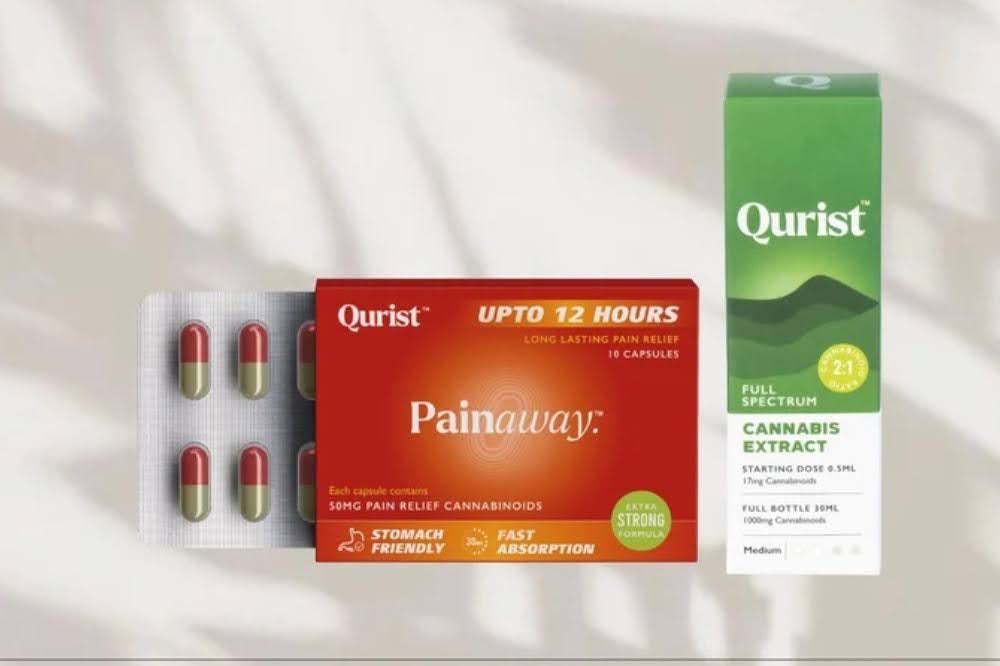
Qurist offers AYUSH-licensed, NABL third-party tested chronic pain capsules with 50 mg active cannabinoids per pill in a 1:1 CBD to THC ratio for severe pain, and full-spectrum oil for sustained daily management. For milder discomfort, CBD Oil provides non-intoxicating daily support. A pain management kit combining capsules and oil is also available for comprehensive coverage. Declared THC content in these products is approved by the Ministry of AYUSH. All formulations use CO₂ extraction, winterisation, multiple distillation rounds, and HPLC purification.
Book a Free Chronic Pain Consultation
Managing chronic pain is rarely a one-size-fits-all process. Qurist offers free consultations with experienced practitioners who can help you understand whether medical cannabis fits alongside your current treatment plan.
Disclaimer: This blog is for educational and informational purposes only and is not intended to provide medical advice, diagnosis, or treatment. Qurist does not claim that its products diagnose, treat, cure, or prevent any medical condition. Our products are intended to complement, not replace, appropriate medical care. Consult a qualified healthcare professional before using any product, particularly if you are taking blood thinners, anti-epileptic medicines, or other medicines that are metabolised by the liver, or if you have an existing medical condition. Individual responses may vary.
Frequently Asked Questions
Can natural alternatives fully replace chronic pain medication?
For mild to moderate chronic pain, many people manage well with exercise, dietary changes, and complementary options like medical cannabis without needing prescription medication. For severe pain, natural alternatives are more commonly used alongside medication to reduce dosage and dependency over time rather than as a complete replacement.
What are the safest long-term options for chronic pain?
Regular exercise, an anti-inflammatory diet, and stress management practices like yoga and pranayama are the safest long-term approaches. Medical cannabis is also emerging as a non-habit-forming option for ongoing use, with products like a natural pain relief kit designed for sustained daily support. NSAIDs and opioids are generally not recommended for long-term daily use.
Can CBD be used alongside prescription pain medication?
In many cases, yes, but always under medical supervision. CBD can interact with certain medications, particularly those metabolised by the liver. A free consultation can help clarify whether CBD-based support is compatible with your current prescriptions.
How long do natural alternatives take to work for chronic pain?
Unlike medication, which often provides relief within an hour, natural alternatives work over days to weeks. Exercise benefits typically become noticeable within two to four weeks of consistent activity. Dietary changes and pranayama follow a similar timeline. Medical cannabis products may provide faster initial relief depending on the format and dosage.


Leave a comment
All comments are moderated before being published.
This site is protected by hCaptcha and the hCaptcha Privacy Policy and Terms of Service apply.