



Lying awake at 2 AM staring at the ceiling is one of the most frustrating experiences, and it happens to a lot of people. The reasons vary, from stress and anxiety to caffeine timing to chronic pain, but the effect is the same: you feel exhausted during the day and wired at night. Here is what is likely keeping you up and what you can do about it.
Why You Cannot Sleep at Night
The first step to fixing your sleep is knowing what is keeping you awake. Most causes fall into a few categories.
Stress and Anxiety
Racing thoughts are the most common reason people struggle to fall asleep. Your brain replays the day, rehearses tomorrow's problems, or fixates on things you cannot control. The stress response keeps cortisol levels elevated, which directly opposes the melatonin signals your body needs to initiate sleep.
Screen Time Before Bed
Blue light from phones, tablets, and laptops suppresses melatonin production and tells your brain to stay alert. The content matters too. Scrolling through social media, watching intense shows, or reading stressful news before bed keeps your mind activated when it should be winding down.
Caffeine Too Late in the Day
Caffeine has a half-life of five to six hours. A coffee at 4 PM means half the caffeine is still in your system at 10 PM. Even if you feel tired, caffeine blocks the adenosine receptors that signal sleepiness, making it physically harder to fall asleep.
Irregular Sleep Schedule
Going to bed and waking up at different times disrupts your circadian rhythm. Your body cannot anticipate when sleep should happen, so the process of falling asleep takes longer. Weekend lie-ins can feel restorative in the moment but often make Monday night harder.
Chronic Pain or Discomfort
Pain activates the nervous system and makes it difficult for your body to relax enough to sleep. Whether it is back pain, joint pain, or headaches, physical discomfort is a common and often underestimated barrier to sleep.
What to Do When You Cannot Sleep
If you are lying in bed unable to sleep, here are approaches that actually help.
Get Out of Bed After 20 Minutes
Staying in bed awake teaches your brain to associate the bed with wakefulness. If you have not fallen asleep within 20 minutes, get up, go to another room, and do something calm like reading or light stretching. Return to bed only when you feel sleepy. Sleep specialists call this stimulus control, and it is one of the most effective techniques in cognitive behavioural therapy for insomnia (CBT-I).
Try the 4-7-8 Breathing Technique
Inhale through your nose for four counts, hold for seven counts, and exhale slowly through your mouth for eight counts. Repeat three to four times. The extended exhale activates your parasympathetic nervous system, which slows your heart rate and signals your body to relax.
Write Down What Is on Your Mind
A five-minute brain dump before bed, writing out your thoughts, worries, or tomorrow's to-do list, can reduce the mental chatter that keeps you awake. Research from Baylor University found that participants who wrote specific to-do lists fell asleep significantly faster than those who did not.
Keep the Room Cool and Dark
Your core body temperature needs to drop slightly to initiate sleep. A room temperature between 18°C and 20°C is ideal. Blackout curtains or an eye mask and earplugs can eliminate disruptions you may not even be consciously aware of.
Proven Habits for Falling Asleep Faster Long-Term
One-off techniques help in the moment, but lasting change comes from consistent habits.
- Go to bed and wake up at the same time every day, including weekends
- Stop screens at least 30 to 60 minutes before bed
- Cut caffeine after midday
- Exercise regularly, but not within two hours of bedtime
- Avoid alcohol as a sleep aid, as it fragments sleep in the second half of the night
- Limit naps to 20 minutes, before 3 PM
CBD as a Non-Habit-Forming Sleep Aid
For people who have tried good sleep hygiene and still struggle to fall asleep, CBD (cannabidiol) offers a non-habit-forming option worth considering. CBD interacts with the endocannabinoid system (ECS), a receptor network involved in regulating sleep, stress, and relaxation.
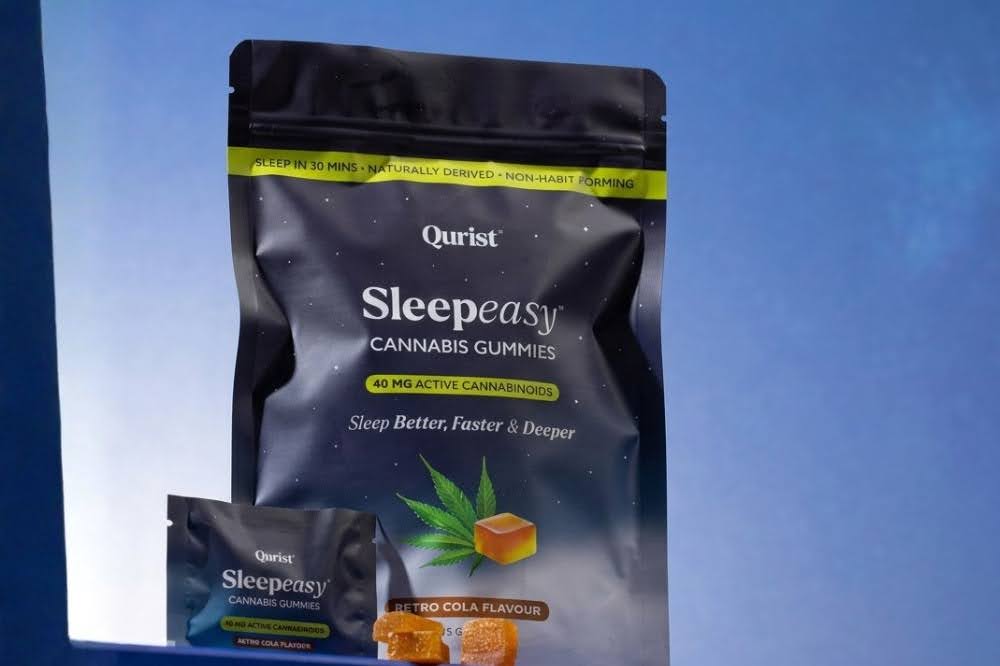
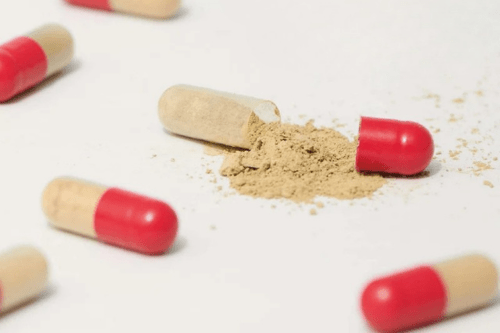
Qurist offers AYUSH-licensed, NABL third-party tested sleep gummies with 40 mg active cannabinoids per gummy in a 1:1 CBD to THC ratio, and sleep tablets formulated with CBD, THC, and chamomile. Declared THC content in these products is approved by the Ministry of AYUSH. For daytime stress management, CBD Oil provides non-intoxicating daily support, and a sleep and stress bundle is available for combined day-and-night use. All formulations use CO₂ extraction, winterisation, multiple distillation rounds, and HPLC purification.
Talk to a Doctor for Free
Still struggling to sleep? Qurist offers free consultations with practitioners who have over a decade of clinical experience.
Disclaimer: This blog is for educational and informational purposes only and is not intended to provide medical advice, diagnosis, or treatment. Qurist does not claim that its products diagnose, treat, cure, or prevent any medical condition. Our products are intended to complement, not replace, appropriate medical care. Consult a qualified healthcare professional before using any product, particularly if you are taking blood thinners, anti-epileptic medicines, or other medicines that are metabolised by the liver, or if you have an existing medical condition. Individual responses may vary.
Frequently Asked Questions
Why can I not sleep even when I am tired?
The most common reason is an overactive mind. Stress, anxiety, and screen exposure keep your brain in an alert state even when your body feels exhausted. Caffeine lingering in your system and irregular sleep timing can also create a disconnect between feeling tired and being able to sleep.
What should I do if I wake up in the middle of the night and cannot fall back asleep?
Avoid checking the time or reaching for your phone. If you have been awake for more than 20 minutes, get up and do something quiet in dim lighting. Return to bed only when you feel sleepy. Watching the clock increases anxiety about not sleeping, which makes the problem worse.
Are sleeping pills the answer if I cannot sleep at night?
Sleeping pills can help short-term but are not a long-term solution. CBT-I is considered the first-line treatment for chronic insomnia and produces results that last beyond the treatment period. Non-habit-forming options like sleep gummies can also support your sleep routine without dependency risk.
How long should it take to fall asleep?
A healthy sleep latency (time to fall asleep) is typically 10 to 20 minutes. If you consistently fall asleep in under five minutes, you may be sleep-deprived. If it regularly takes more than 30 minutes, your sleep hygiene or an underlying condition may need attention.

Leave a comment
All comments are moderated before being published.
This site is protected by hCaptcha and the hCaptcha Privacy Policy and Terms of Service apply.