


Winter in most of North and Central India brings a predictable set of problems: stiff joints, disrupted sleep, and lower energy. A peer-reviewed study in the Journal of Rheumatology (Timmermans et al., 2015) found that among 810 people with osteoarthritis, daily temperature and humidity significantly affected joint pain intensity, with the effect of humidity on pain being stronger in colder conditions. Separately, a polysomnographic study published in Frontiers in Neuroscience (2023) found that human sleep architecture changes with the seasons, with REM sleep increasing by approximately 30 minutes in winter compared to summer. Cold weather affects your body in measurable ways, and winter is also when respiratory infections circulate most. Here is what the evidence supports for sleep, joints, and infection risk this season, and where cannabidiol (CBD) fits alongside the basics you are already doing.
How Winter Affects Sleep and Joints
Seasonal changes in daylight duration influence circadian rhythm and melatonin secretion. Research shows that under natural lighting conditions, the duration of melatonin secretion extends in winter as nights grow longer (Aileen Seidler et al., 2017, cited in Frontiers in Neuroscience, 2023). For many people, this translates to difficulty maintaining a consistent sleep schedule, morning grogginess, and a general sense of fatigue.
For joints, the association between cold weather and increased pain is well-documented in the Timmermans et al. study. Researchers have proposed several explanations, including reduced physical activity during cold months leading to joint stiffness and potential effects of barometric pressure changes on tissues surrounding the joints. The exact mechanisms are still under investigation, but the pattern is consistent across multiple studies and patient populations.
Better Sleep During Winter
Longer nights do not automatically mean better sleep. When your circadian rhythm shifts with reduced daylight, falling asleep at a consistent time becomes harder, and waking up refreshed becomes less reliable.
Good sleep hygiene remains the foundation:
- A consistent wake-up time
- Limited screen use before bed
- A cool (not cold) bedroom
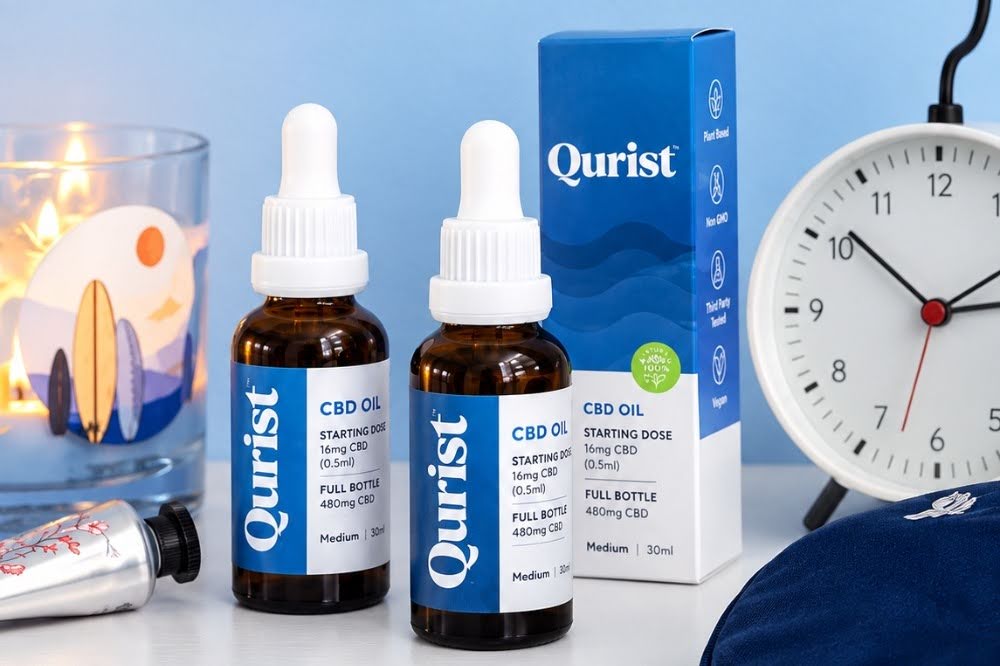
The Indian winter habit of a warm glass of turmeric milk before bed aligns well with winding down. For nights when that is not enough, CBD (cannabidiol) interacts with the endocannabinoid system (ECS), a receptor network involved in regulating sleep, stress, and relaxation. The World Health Organisation's Expert Committee on Drug Dependence confirmed that CBD is generally well tolerated with a good safety profile (WHO, 2018).
Qurist's sleep gummies contain 40 mg of active cannabinoids per gummy in a 1:1 CBD to THC ratio, designed for nightly use. For those who prefer an oil, full-spectrum CBD+THC Oil taken sublingually (under the tongue) before bed provides sustained support through the night.
Easing Winter Joint Stiffness
If your joints feel worse in cold weather, the research confirms you are not imagining it. The Timmermans et al. study found statistically significant associations between humidity, temperature, and joint pain in osteoarthritis patients across six European countries.
Staying active remains the most effective intervention: even 15 to 20 minutes of gentle movement, yoga, or a walk keeps joints lubricated and muscles warm. Layering up, using a hot water bottle on stiff joints, and maintaining a regular oil massage routine through winter (warm sesame or mustard oil, a common North Indian practice) all support joint comfort.
For additional relief, Qurist's pain relief capsules with 50 mg active cannabinoids in a 1:1 CBD to THC ratio are formulated for severe joint and inflammatory pain. A peer-reviewed systematic review published in Cureus (PMC, 2024) found that cannabinoids provided significant relief from chronic pain compared to placebo. CBD Oil is available as a milder, non-intoxicating option for general daily stiffness.
What Protects You Through Winter
Winter raises infection risk in India mainly because people spend longer indoors in closed, poorly ventilated rooms, where respiratory viruses move between people more easily. No single food overrides that. The lever with the strongest evidence behind it is the one this blog has already covered, which is sleep.
In a rhinovirus challenge study of 164 adults (Prather et al., 2015), participants averaging five to six hours of sleep a night were 4.24 times more likely to develop a verified cold than those averaging more than seven hours. Those sleeping under five hours were 4.5 times more likely. The association held after adjusting for age, season, body mass index, income, smoking, physical activity, and perceived stress. Sleep predicted who fell ill better than every other factor the researchers measured.
Food matters here for a specific reason rather than a traditional one. Winter is amla, oranges, guava, and lemon season across much of India, and all four are dense sources of vitamin C. A Cochrane review of 63 trials (Hemilä and Chalker, 2013) found that regular vitamin C did not reduce how often adults in the general population caught colds, though it shortened the colds they did catch by 8%.
Vitamin D is the other winter question. Less sunlight means less skin synthesis, but a meta-analysis of 46 randomised trials covering more than 64,000 people (Jolliffe et al., The Lancet Diabetes and Endocrinology, 2025) found no statistically significant protection against acute respiratory infections from supplementation. Test for a deficiency and correct it with your doctor rather than supplementing for immunity.
Medical cannabis is not an immune booster, and Qurist does not position it as one. A review in Cannabis and Cannabinoid Research (Nichols and Kaplan, 2020) concluded that laboratory and animal evidence supports CBD acting as an immune suppressant rather than an immune enhancer, and human clinical data remains limited. Its winter role is narrower and better evidenced, covering sleep and pain rather than infection resistance. If you take immunosuppressant medication, discuss CBD with your doctor before starting.
Book a Free Medical Cannabis Consultation
Not sure which products suit your winter needs? Qurist offers free consultations with experienced practitioners who can recommend the right combination based on your specific concerns.
Disclaimer: This blog is for educational and informational purposes only and is not intended to provide medical advice, diagnosis, or treatment. Qurist does not claim that its products diagnose, treat, cure, or prevent any medical condition. Our products are intended to complement, not replace, appropriate medical care. Consult a qualified healthcare professional before using any product, particularly if you are taking blood thinners, anti-epileptic medicines, or other medicines that are metabolised by the liver, or if you have an existing medical condition. Individual responses may vary.
Frequently Asked Questions
Can CBD help with joint pain that gets worse in winter?
CBD interacts with the ECS, which plays a role in regulating pain and inflammation. A systematic review in Cureus (PMC, 2024) found that cannabinoids provided significant pain relief compared to placebo. For winter-related joint stiffness, pain relief capsules with a 1:1 CBD to THC ratio provide targeted support. Pairing CBD with gentle movement, warmth, and regular oil massage gives the best results, as per Ayurveda.
Is Sleepeasy™ Gummies safe to take every night in winter?
Sleepeasy™ Gummies are designed for daily use and are non-habit-forming. Each gummy contains 40 mg of active cannabinoids in a 1:1 CBD to THC ratio. As with any supplement, consult your healthcare provider before starting, especially if you take other medications.
Does medical cannabis boost immunity in winter?
No, and that matters more than the marketing around winter wellness suggests. A review in Cannabis and Cannabinoid Research (Nichols and Kaplan, 2020) concluded that the available laboratory and animal evidence supports CBD acting as an immune suppressant rather than an immune booster, with limited human clinical data either way. Qurist does not market any product as an immunity product. The winter case for medical cannabis rests on sleep and pain, where the evidence is stronger. Anyone taking immunosuppressant medication should speak to their doctor before starting CBD.
Which Qurist product is best for winter sleep problems?
Sleepeasy™ Gummies are the most targeted option for sleep, with a formulation designed for faster sleep onset and reduced nighttime anxiety. For people who also experience pain that disrupts sleep, CBD+THC Oil provides broader relief covering both.
Can CBD help with low mood during winter?
CBD interacts with receptors involved in mood regulation, and the WHO (2018) report notes it is well tolerated. Qurist does not claim that CBD treats mood disorders, but as part of a winter routine that includes sunlight, exercise, and social connection, it can support overall wellbeing.
Is CBD safe for dogs with winter joint stiffness?
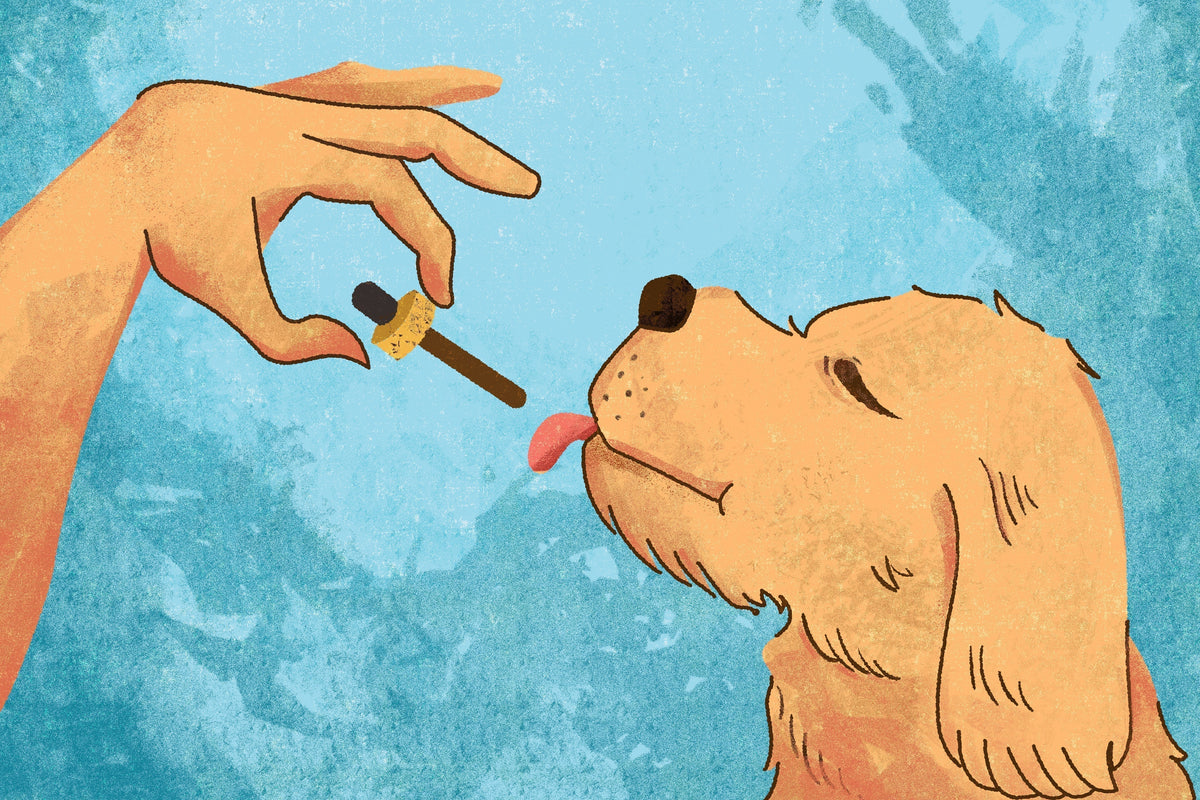
Qurist offers a THC-free Dog CBD Oil that is vet-recommended and formulated specifically for dogs. Available in sizes for small, medium, and large breeds, it supports joint comfort during winter months when stiffness tends to worsen. Consult your vet before starting.

Leave a comment
All comments are moderated before being published.
This site is protected by hCaptcha and the hCaptcha Privacy Policy and Terms of Service apply.