


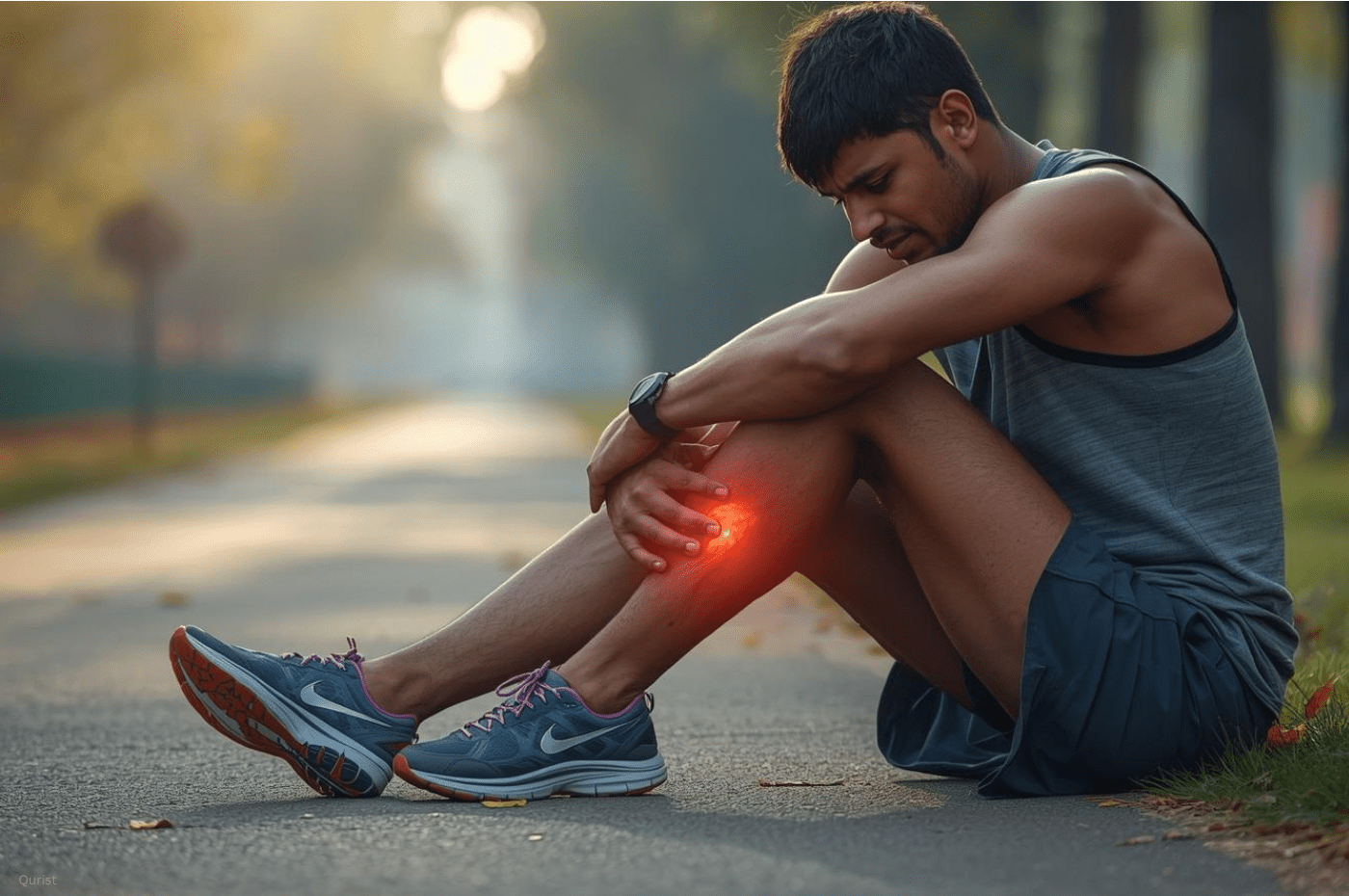
You start a new training plan feeling motivated. The weather is good, your playlist is perfect, and your pace feels strong. Then, a few days later, a nagging ache develops along the front of your lower leg. At first, you ignore it. By the end of the week, even walking feels uncomfortable.
Frequently, this is how shin splints show up. Never loud. Always lingering.
Pain down the front of the lower leg often points to shin splints, a frequent issue among those who run regularly or jump a lot. Doctors at Johns Hopkins Medicine say discomfort shows up along the shinbone during activity, usually when someone does too much too soon. This ache stems from constant pounding on hard surfaces, making the tissue around the bone irritated over time. Groups including the American Academy of Orthopaedic Surgeons tie the problem directly to repeated strain without enough recovery. Known medically as medial tibial stress syndrome, it tends to build quietly until each step brings soreness.
Here’s the good news - most people get better with careful attention to their shin splints. What really matters? Knowing what triggers the discomfort.
Inside the Shin What Really Occurs?
A single step sends shock up the shin. This bone changes shape when pressed, not staying stiff or fixed. Instead of resisting pressure, it reshapes slowly under repeated load. Each impact teaches the structure to grow tougher over weeks.
Faster gains hit before adaptation kicks in, that’s where trouble starts.
Day after day, pounding stress rubs the periosteum raw - the delicate wrap around bone. The tibialis posterior, again and again, pulls hard where it ties on. Slowly, over time, this steady yank sparks swelling. Nothing life threatening - just long lasting enough to ache.
Most times the ache spreads out, not staying in one exact spot, at least that is what the American Academy of Orthopaedic Surgeons has shared. Pain like this sets shin splints apart from stress fractures, since those often hurt right where the injury sits.
When things get too much, the bone and nearby areas respond without cracking. This reaction shows the body asking for rest to heal itself.
People More Likely to Be Affected?
Shin splints are frequently seen in:
- Runners increasing mileage too quickly
- Military recruits during intensive drills
- Dancers performing repetitive impact movements
- Athletes training on hard surfaces
- Individuals with flat arches or worn footwear
When activity shifts fast, problems often follow. According to the Cleveland Clinic, this abrupt shift is a frequent cause. The heart and blood vessels respond rapidly. Bones take their time adjusting. Because of this delay, discomfort tends to show up just then.
Conventional Care Still Matters
Starting off, knowing basic health advice matters when talking about help options.
Medical professionals who work with athletes often suggest
- Reducing or temporarily stopping high-impact exercise
- Ice application
- For brief periods, anti-inflammatory drugs might help if they fit the situation
- Physical therapy to correct biomechanics
- Imaging if symptoms suggest a stress fracture
Something to consider: when pain sticks around or gets worse, it deserves a look. Lower leg discomfort might not always be harmless. Getting checked early helps keep movement possible later on. Watch how it feels over time.
Most standard treatments work alongside herbal or home methods. Safety during healing often comes from that balance.
The Base of True Healing
Few fixes work better than the quiet ones when shin splints show up. Balance returns through shifts in routine.
1. Sleep is Essential
Deep down in slumber, bones renew themselves most actively. When rest is cut short, levels of inflammation signals rise, studies from the National Institutes of Health confirm. Cortisol, a hormone tied to pressure, climbs without enough shut-eye. Repair slows when nighttime recovery gets interrupted.
Pain sticks around? Start by looking at how you rest.
Early each day, try rising at the same hour. Later on, dim screens well before bed begins. Cool air and near-total darkness help rest deepen inside the sleeping space. Small shifts like these? They quietly shape how fast healing moves through your body.
2. Nutrition Aids Body Repair
The tibia requires raw materials to repair microdamage.
A balanced diet should provide:
- Adequate protein for connective tissue repair
- Calcium and vitamin D for bone health
- Magnesium for muscle function
- Omega-3 fatty acids to support inflammatory balance
A lack of vitamin D may lead to stress injuries among athletes, according to the Cleveland Clinic. Hydration matters just as much. When fluid levels drop slightly, tissues become less flexible and handle impact poorly.
Few talk about what we eat when dealing with shin splints - still, meals quietly shape how fast the body bounces back.
3. Gradual Load Progression
One of the most overlooked causes of shin splints is enthusiasm.
When strength surges, effort stretches beyond before. Breathing deepens fast, heartbeat adjusts without delay. Bones lag behind, slow to change shape. Experts from the orthopedic group stress easing into harder workouts - remodeling needs time to catch up.
Sitting out sometimes isn’t falling behind. It’s part of the plan, built in on purpose.
Patterns often hide in daily routines until you write them down. A notebook turns blurry days into clear trends. What seems random today might link to yesterday’s choices. Writing things out pulls threads others overlook. Details pile up slowly, then suddenly make sense. Notes act like mirrors for habits too small to notice. Over time, blank pages fill with hidden signals. Most people miss these - until they start recording.
4. Understanding Shoes and Surfaces
When shoes age, their padding fades even if the outside seems fine. Tougher ground types increase the stress on your feet.
A trained eye might catch how your walk affects leg stress. For certain people, shoe inserts help if bone positioning worsens shin pressure.
Even tiny tweaks like these ease long-term strain in quiet ways. Yet their impact adds up faster than expected.
5. Strength and Mobility Training
Muscles low on the leg that lack strength, together with stiff ankle cords, pull harder on the front of the lower leg.
From time to time, calf raises help spread force more evenly through the leg. Tibialis work follows close behind in importance. Yet balance shifts matter just as much - hip stability plays a quiet but steady role. Stretching, when done with care, ties things together without pulling too hard. A trained therapist might notice small hiccups others miss. These tiny mismatches tend to return unless seen early.
Finding calm here makes a difference. How power travels in your bones shifts with resilience.
Home Remedies That May Help With Shin Splints?
Finding quick relief at home for shin splints isn’t possible; still, some steps can help reduce soreness. Though nothing works right away, trying gentle care routines might bring slight comfort over time
- Rest a cold pack on the area for about twenty minutes once you finish moving it. A quarter hour works too if that feels better
- Gentle compression
- Elevation after prolonged standing
- Gradual return-to-run protocols
Few of these methods fix the root problem - still, they tend to soothe surface discomfort during longer healing phases.
CBD might help in some areas
Once these basics are handled, then thinking about extra tools becomes reasonable.
Starting off, CBD works within a body network tied to managing swelling, how we handle pressure, and sensing discomfort. Found in studies listed on PubMed, compounds like it might adjust some routes involved in inflammation along with signals linked to feeling hurt.
CBD may support:
- Inflammatory balance
- Muscle relaxation
- Sleep quality
- Stress regulation
Clear thinking matters here. CBD isn’t fixing shin splints, nor wiping them out completely. Rest and rehab still hold the main role, nothing swaps that. Yet during healing, it might help balance how the body responds. The process stays the same; support just comes from another angle.
Not everyone reacts the same way. Talk to someone qualified in health care first, especially if using other drugs.
Integration works
Fixing shin splints usually isn’t down to just a single fix.
Recovery tends to improve when:
- Fitness demands shift as effort changes
- Sleep is consistent
- Built right, meals fix what's worn down
- Biomechanics are corrected
- Complementary supports are used responsibly
One step builds on another when plans work together. A single move rarely does more than part of what matters.
When to Get Medical Help
Consult a medical professional if you experience:
- Sharp, localized pain
- Swelling that persists
- Pain at rest
- Symptoms that worsen despite reduced activity
A sign like that could point to a small crack in the bone - someone should check it out properly.
About Qurist
From day one, Qurist sticks to a clear path: helping people feel their best without overstepping. Each item gets made using carefully chosen ingredients, checked by outside labs you can look up. Instead of acting like medicine, these choices aim to fit alongside daily habits that support well-being. Open details about how things are made stay front and center throughout the process.
Finding balance matters when using cannabinoids, especially while healing from an injury - best done with expert advice nearby. A supplement isn’t a fix-all, yet it may play a role if approached with care and clear understanding. Someone might overlook risks, though guidance helps keep things grounded. Healing moves differently for everyone, so what works quietly for one could misfire for another. Support from a knowledgeable person often makes the path less uncertain.
Final Thoughts
Most times, sore shins come not from slacking. Instead, they show when you're pushing too hard without rest. Fitness grows easily if you let it happen naturally. When sleep feeds recovery, meals fuel repair, slow steps build strength, while posture fixes align movement.
CBD oil can help keep things steady for a few people. Still, true strength grows through consistent patterns, never shortcuts.
Few things help healing like steady, calm effort - give it time, give it sense, results often follow.


Leave a comment
All comments are moderated before being published.
This site is protected by hCaptcha and the hCaptcha Privacy Policy and Terms of Service apply.