


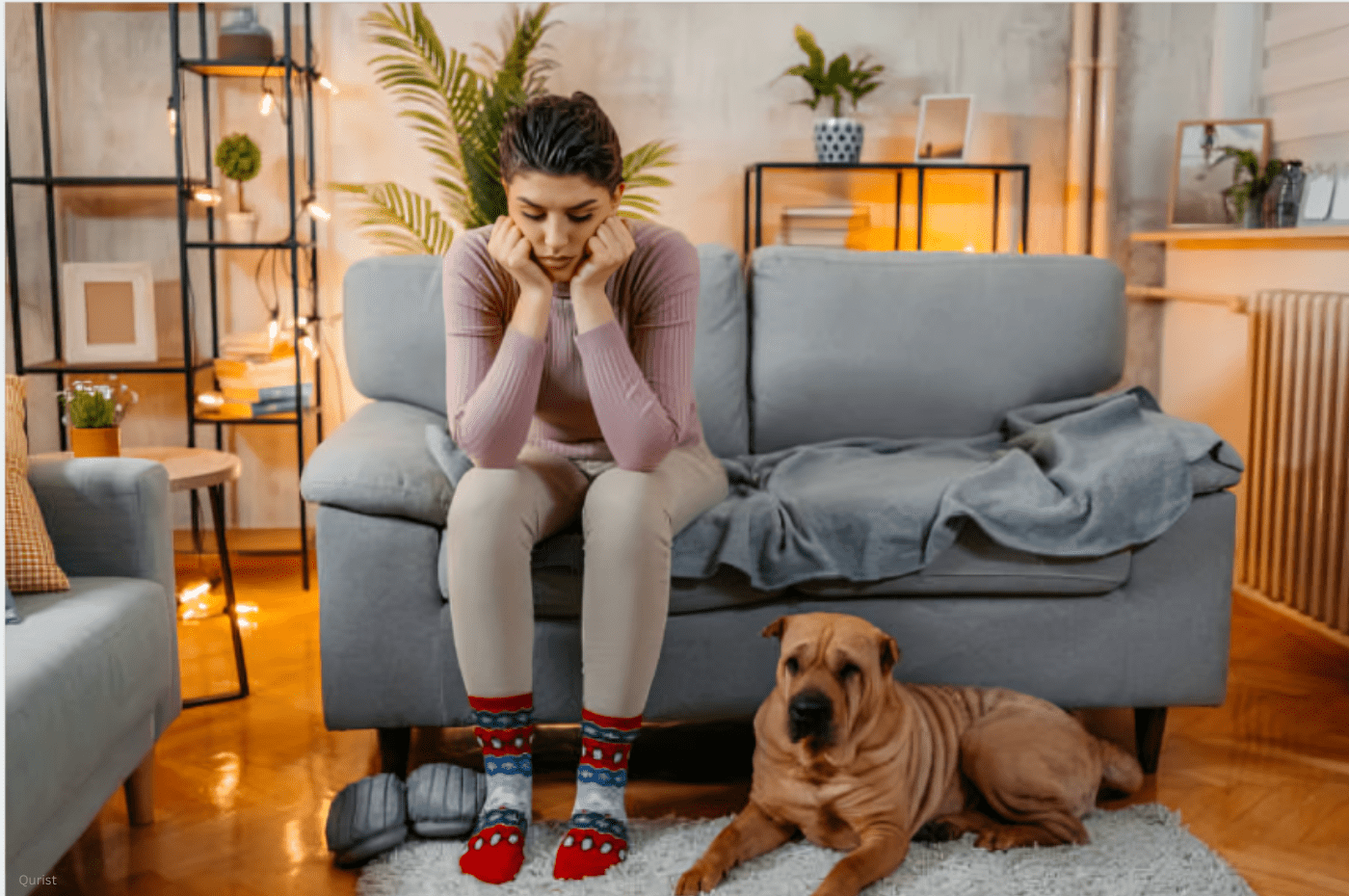
For many dog lovers in India, our pets are more than companions, they are family. They share our homes, join us on walks, welcome us with tail wags, and often sleep curled beside us. But what happens when life demands separation, an office routine resumes, travel plans emerge, or routines shift? For a growing number of Indian pet parents, the answer comes in the form of chewed furniture, distressed barking, or even self-harm. The cause? Often, it’s separation anxiety.
Separation anxiety in dogs isn’t just a behavior problem, it’s an emotional challenge. And just like humans navigating anxiety, dogs need support, structure, and compassion to feel safe again. In India’s evolving pet care landscape, where apartment living and long working hours are the norm, the issue is more common than we think, but also manageable with the right approach.
The Emotional Behaviour of Dogs
Dogs are highly intuitive animals. For thousands of years, they have co-evolved with humans, developing a deep bond with us as their social group. Most dogs thrive on being close to their people, so when that closeness is interrupted without preparation, it can trigger an emotional spiral.
Separation anxiety doesn’t mean your dog is “spoiled” or “needy.” It’s a fear response, of abandonment, of change, of unfamiliar silence. It’s the canine equivalent of a panic attack. And like with humans, it needs more than discipline; it needs understanding.
Recognizing the Signs
While every dog is different, these are some signs Indian pet parents frequently report:
- Vocal distress: Persistent barking, whining, or howling the moment you leave
- Destructive behavior: Chewing shoes, digging at doors, tearing cushions
- House soiling: Peeing or pooping indoors despite being house-trained
- Escape attempts: Scratching at doors or trying to jump fences
-
Pacing and drooling: Signs of panic, even if no damage is done
These are not acts of rebellion. They are your dog’s way of saying, “I’m scared you won’t come back.”
Why It’s on the Rise in Indian Homes
India’s urban pet culture has experienced rapid growth over the last decade. From indie dog adoptions to high-end pet accessories, there’s been a shift in how dogs are treated, and rightly so. But with this shift comes new challenges.
Contributing Factors:
- Back-to-office transitions: Post-pandemic lifestyle changes have left many dogs unprepared for extended periods alone.
- Compact homes: Apartment living limits physical stimulation and territory.
- Changing family structures: With more nuclear families and working couples, dogs often spend large chunks of the day alone.
- Inconsistent routines: Erratic work-from-home schedules and travel plans disrupt predictability.
-
Rescue backgrounds: Many indie or shelter-adopted dogs carry emotional trauma that amplifies separation anxiety.
A Gentle, Structured Path to Healing
Just as human anxiety isn’t cured overnight, neither is canine separation anxiety. But with small, consistent efforts, your dog can rebuild emotional resilience.
1. Pre-Departure Desensitization
The first few minutes before leaving are often the most stressful for your dog. Small changes can make a big difference.
- Avoid emotional goodbyes: Keep exits calm and casual.
- Desensitize cues: Pick up your keys, wear your shoes, but don’t leave. Break the pattern.
- Gradual exposure: Start with 30 seconds of alone time, then slowly increase duration.
-
Use safety signals: A specific toy or mat that only appears when you’re about to leave can create positive associations.
2. Building a Safe Space at Home
Create an environment where your dog feels secure, not confined.
- Use crates gently: If crate-trained, it can be a den, not a punishment zone.
- Designated quiet areas: A corner with soft bedding, a blanket with your scent, and favorite toys can anchor safety.
-
Avoid triggers: Keep windows closed if outdoor noise upsets your dog. White noise machines can also help.
3. Enrichment Activities
Mental stimulation can reduce anxiety-induced hyperactivity.
- Interactive feeders: Kong toys filled with peanut butter, puzzle mats, or slow feeders provide distraction.
- Scent work games: Hide small treats around the house before leaving.
-
Rotation of toys: Keep things novel by switching toys weekly.
4. Routine Reinforcement
Dogs, like children, thrive on routine.
- Feed and walk on schedule: Regularity helps reduce uncertainty.
- Predictable playtime: A set slot for play daily can become an emotional anchor.
-
Introduce short absences into the day: Step out for 5-10 minutes multiple times a day to normalize absence.
5. Professional Support
Not all separation anxiety is equal. For dogs displaying intense symptoms (e.g., self-harm, uncontrollable panic), professional help is key.
- Veterinary rule-out: Underlying medical issues like UTIs or cognitive decline can mimic anxiety.
- Behaviorist interventions: Certified trainers can build custom desensitization plans.
- Medication (when needed): In extreme cases, anti-anxiety meds may be prescribed, but always as a last resort.
Exploring CBD as a Gentle Wellness Aid
In recent years, many Indian dog parents have begun exploring CBD not as a standalone solution, but as part of a holistic wellness kit. While still a niche option, the conversation is evolving.
CBD is a compound extracted from hemp (not marijuana). It interacts with the endocannabinoid system, which plays a role in mood regulation, sleep, immune response, and stress modulation. It’s non-psychoactive and, when responsibly sourced, considered safe for pets in controlled doses.
CBD in the Indian Pet Context
While India does not have direct legislation permitting or prohibiting CBD for pets, hemp-based products with low or non-detectable THC (<0.3%) can be sold under Ayurvedic or wellness licenses. Brands offering CBD pet products operate under this gray zone with strict lab testing, vet collaborations, and transparency in formulation.
Qurist is one such Indian brand that has received attention for offering pet-formulated, THC-free, lab-tested CBD oils, manufactured within India’s regulatory frameworks.
How CBD May Help Dogs with Separation Anxiety
Important Note: CBD is not a sedative or cure, it supports the body’s natural ability to stay balanced.
Possible benefits pet parents in India have reported include:
- Smoother alone-time transitions
- Less hyperactivity or destructive behaviour
- Faster post-anxiety recovery
- Improved receptiveness to training routines
Best Practices for Using CBD in India
If you’re considering CBD for your dog, follow these evidence-informed guidelines:
-
Start with a vet consultation: Especially with senior dogs, dogs on medication, or rescue cases.
-
Choose Indian, pet-specific brands: Human CBD oils may contain additives or concentrations unsafe for pets.
-
Begin with the lowest effective dose: Many pet parents begin with 0.2-0.5 mg/kg and slowly titrate.
-
Track behavioral changes over 10-14 days: Keep a journal, note anxiety triggers, duration of symptoms, and calm periods.
- Always pair with training: CBD is not a shortcut. It’s most effective when layered into behavior plans and routine reinforcement.
A Mindful, Balanced Approach to Anxiety
Managing separation anxiety is not about stopping behavior. It’s about supporting emotion.
Dogs don’t understand office hours, but they understand love, presence, and consistency. When we acknowledge their fear, prepare them gently for independence, and offer calming options without dependency, we help them become emotionally resilient.
CBD, when used responsibly, is one such option. A whisper of support in a loud world. Not a treatment, but a tonic. Not a fix, but a friend. Your dog isn’t giving you a hard time, they are having a hard time. And in a country where urban life often disconnects us from natural rhythms, creating emotional security for pets takes intent.
So whether your strategy involves crate training, Bach flower remedies, calming toys, desensitization plans, or a well-researched CBD supplement from brands like Qurist, the heart of it all is compassion.
Because every time you walk out that door, your dog waits. Not with anger. But with love.



Leave a comment
All comments are moderated before being published.
This site is protected by hCaptcha and the hCaptcha Privacy Policy and Terms of Service apply.