


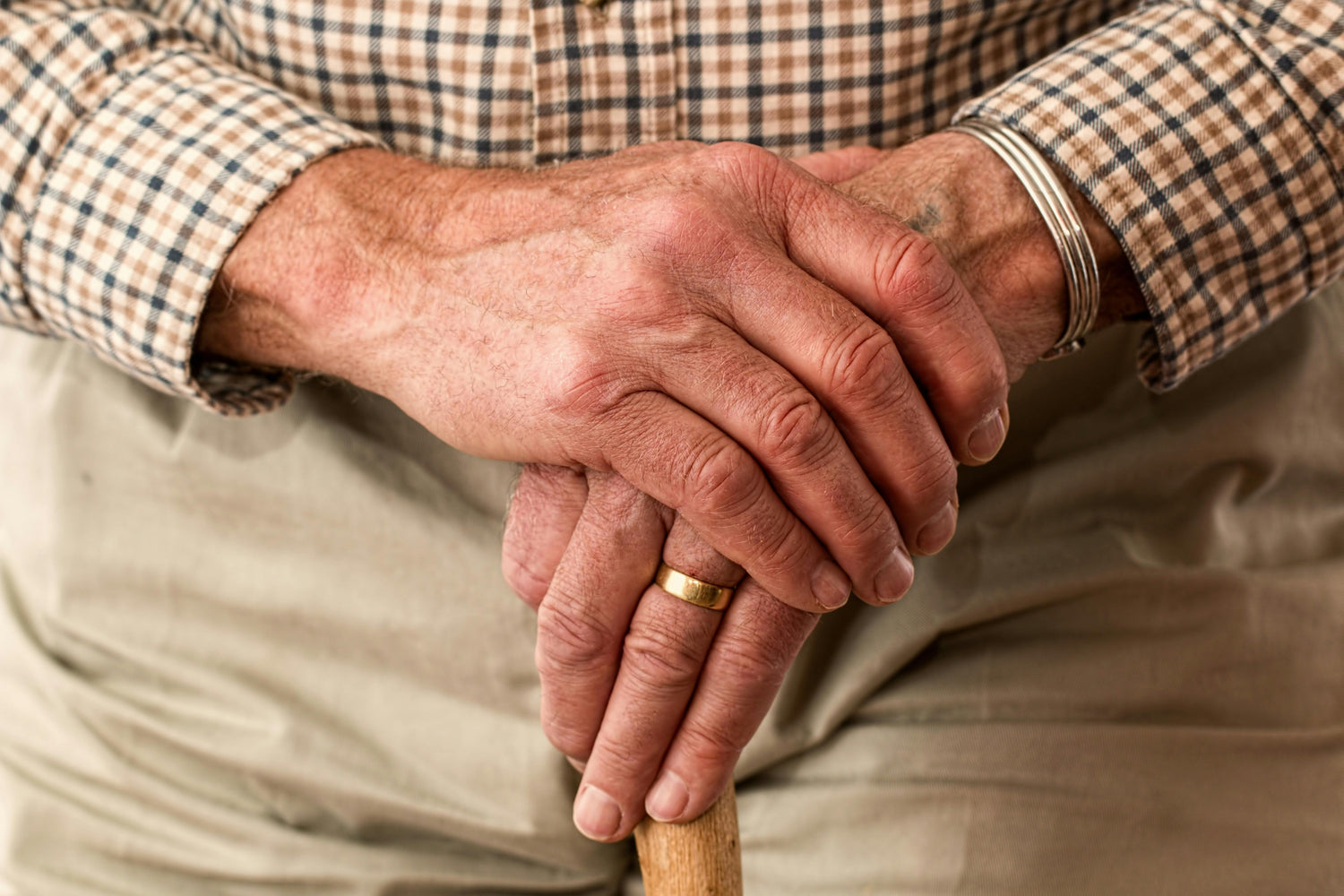
When it comes to rheumatoid arthritis vs osteoarthritis, understanding the difference is crucial because arthritis is not a single condition but an umbrella term for over 100 joint disorders. Among these, rheumatoid arthritis and osteoarthritis are the two most common types, yet they differ significantly in their causes, symptoms, progression, and the way they should be managed.
Getting this distinction right isn't just academic. It determines which natural remedies will actually work for you, which lifestyle changes will help versus hurt, and how to have a more productive conversation with your healthcare provider.
Let's break it down clearly.
What Is Osteoarthritis (OA)?
Osteoarthritis is a mechanical, degenerative disease - the result of wear and tear on joints over time, as per PubMed. Cartilage gradually breaks down, causing bones to rub against each other, leading to pain, stiffness, swelling, and reduced range of motion.
Who gets it? Primarily adults over 50, those with prior joint injuries, people who are overweight, and those in physically demanding occupations.
How does it feel? Pain worsens with activity and eases with rest; morning stiffness resolves within 30 minutes; joints may creak or feel gritty (crepitus). Onset is slow and gradual. Most commonly affects knees, hips, lower spine, and hands.
What Is Rheumatoid Arthritis (RA)?
RA is an autoimmune disease - the immune system mistakenly attacks the synovium (the membrane lining your joints), causing chronic inflammation that damages cartilage and bone. Left unmanaged, it can cause permanent joint deformity.
Who gets it? Women are two to three times more likely than men to develop RA. It can strike at any age, most commonly between 30 and 60. Smokers and those with a family history of autoimmune disease face higher risk.
How does it feel? Morning stiffness lasting over an hour; warm, swollen, tender joints; profound fatigue; systemic symptoms like low-grade fever and loss of appetite; and flares alternating with periods of remission. Joint involvement is typically symmetrical - both wrists, both hands.
The Core Difference - At a Glance
|
Feature |
Osteoarthritis |
Rheumatoid Arthritis |
|
Type |
Degenerative / mechanical |
Autoimmune / inflammatory |
|
Onset |
Usually 50+ |
Any age, often 30–60 |
|
Morning stiffness |
Under 30 minutes |
Over 1 hour |
|
Joint pattern |
Asymmetrical, weight-bearing |
Symmetrical, small joints first |
|
Systemic symptoms |
No |
Yes - fatigue, fever |
|
Progression |
Slow, gradual |
Flares and remissions |
Natural Remedies for Osteoarthritis
OA management focuses on reducing localised inflammation, supporting cartilage health, managing joint load, and maintaining mobility.
Weight Management is the single most impactful intervention for knee and hip OA. Every kilogram of excess weight places roughly four kilograms of additional stress on the knee joint. Even 5–10% weight loss can produce significant pain relief.
Exercise is essential - rest is counterproductive with OA. Swimming, cycling, yoga, tai chi, and strength training all keep joints lubricated, reduce stiffness, and build the muscular support joints need.
Anti-Inflammatory Nutrition makes a measurable difference. Turmeric with black pepper (curcumin inhibits the same inflammatory pathway as many drugs), omega-3 fatty acids, and ginger are particularly effective. Reducing processed foods and refined sugar lowers the overall inflammatory burden.
Topical Applications offer localised relief: CBD balms work through endocannabinoid receptors in skin and joint tissue; capsaicin cream depletes substance P (a pain-signalling compound); warm compresses ease morning stiffness.
Supplements worth considering include glucosamine and chondroitin for cartilage support, and Boswellia (Shallaki) - arguably the most under-appreciated joint supplement in modern wellness, with strong evidence for reducing OA pain and slowing cartilage breakdown.
Natural Remedies for Rheumatoid Arthritis
Because RA is autoimmune, the goal shifts to calming systemic inflammation, supporting immune regulation, and managing the whole-body impact of a chronic inflammatory disease.
Important: RA requires professional medical oversight. Natural approaches complement - they do not replace - treatment. DMARDs prescribed by a rheumatologist are often essential to prevent permanent joint damage.
Anti-Inflammatory Diet can be genuinely disease-modifying for RA. The Mediterranean diet - rich in vegetables, olive oil, legumes, fish, and whole grains - consistently reduces inflammatory markers. Omega-3s from fish oil reduce morning stiffness and joint tenderness. Some patients benefit from eliminating gluten and dairy (worth a 6–8 week trial); others report fewer flares by avoiding nightshade vegetables.
CBD Oil plays a more systemic role in RA than in OA. CBD acts on CB2 receptors concentrated in immune tissue, and research suggests it may reduce pro-inflammatory cytokine production, protect joint tissue from oxidative damage, improve sleep, and reduce stress - a known flare trigger. Sublingual CBD oil, particularly in the evening, supports the systemic calm that makes a meaningful difference in autoimmune conditions.
Stress Management is not optional in RA - it is therapeutic. Psychological stress triggers flares by amplifying the specific inflammatory pathways involved in RA. Mindfulness-Based Stress Reduction (MBSR) has clinical evidence for reducing RA disease activity. Restorative yoga and breathwork support vagal tone, which has a direct anti-inflammatory effect via the vagus nerve.
Heat and Cold require more nuance in RA: use cold packs during flares to reduce swelling; use warm baths and compresses during remission to ease morning stiffness and reduce muscle tension.
Gut Health is one of the most promising frontiers in RA research. Dysbiosis (microbial imbalance) is consistently found in RA patients, and supporting the microbiome through probiotic-rich foods (yoghurt, kefir, kimchi), prebiotic fibre, and reducing ultra-processed food intake can modulate immune activity.
Turmeric at therapeutic doses (500–1000mg curcumin extract daily, paired with black pepper) is particularly valuable in RA, as curcumin suppresses NF-κB - a master regulator of the inflammatory response at the heart of autoimmune activity.
Structured Rest is genuinely therapeutic in RA. Unlike OA, RA fatigue is physiological - the immune system consumes enormous energy fighting itself. Adequate sleep (7–9 hours) and pacing are part of the treatment plan, not a concession to it.
A Summary: Different Diseases, Different Approaches
|
Approach |
Osteoarthritis |
Rheumatoid Arthritis |
|
Exercise |
Essential, weight-bearing is fine |
Gentle, low-impact; rest during flares |
|
Diet |
Anti-inflammatory |
Mediterranean diet, possible elimination protocol |
|
Best CBD format |
Topical balms |
Sublingual CBD oil |
|
Heat/Cold |
Heat for stiffness, cold for flares |
Cold during flares, heat for morning stiffness |
|
Key supplements |
Glucosamine, boswellia, turmeric |
Fish oil, turmeric, probiotics |
|
Stress management |
Helpful |
Essential and therapeutic |
|
Medical oversight |
Supportive |
Critical - DMARDs often necessary |
Final Thoughts
The rheumatoid arthritis vs osteoarthritis distinction matters enormously - not just as a clinical label, but as a roadmap for how you care for yourself. Both conditions deserve respect, both respond meaningfully to natural approaches, and both are heavily influenced by lifestyle factors within your control.
Whether you're managing the slow mechanical wear of OA or navigating the unpredictable flares of RA, the path forward isn't just about managing pain - it's about building a life that supports your joints, your immune system, your gut, and your mind simultaneously.
At Qurist, that whole-person perspective is at the heart of everything we formulate.
Explore our range of CBD oils and topicals for joint and inflammation support at qurist.in
People Also Asked
Which is more serious, osteoarthritis or rheumatoid arthritis?
Rheumatoid arthritis is generally considered more serious because it is an autoimmune disease that can lead to permanent joint damage if untreated.
How do you know if you have osteoarthritis or rheumatoid arthritis?
Rheumatoid Arthritis typically causes symmetrical joint pain, swelling, and prolonged morning stiffness, while Osteoarthritis pain worsens with use and improves with rest.
What is the best vitamin for rheumatoid arthritis?
Vitamin D is considered one of the most important vitamins for rheumatoid arthritis, as it supports immune health and may help manage inflammation. Natural sources of vitamin D include sunlight exposure, fatty fish such as salmon and sardines, egg yolks, mushrooms, and fortified foods like milk and cereals. Supplementation may be recommended if you are deficient, with normal vitamin D levels typically ranging from 30–100 ng/mL.
Disclaimer: This article is for informational and educational purposes only. It does not constitute medical advice. Rheumatoid arthritis is a serious autoimmune condition requiring professional medical management. Please consult a qualified rheumatologist or healthcare provider for diagnosis and treatment planning.



Leave a comment
All comments are moderated before being published.
This site is protected by hCaptcha and the hCaptcha Privacy Policy and Terms of Service apply.