


1. Introduction
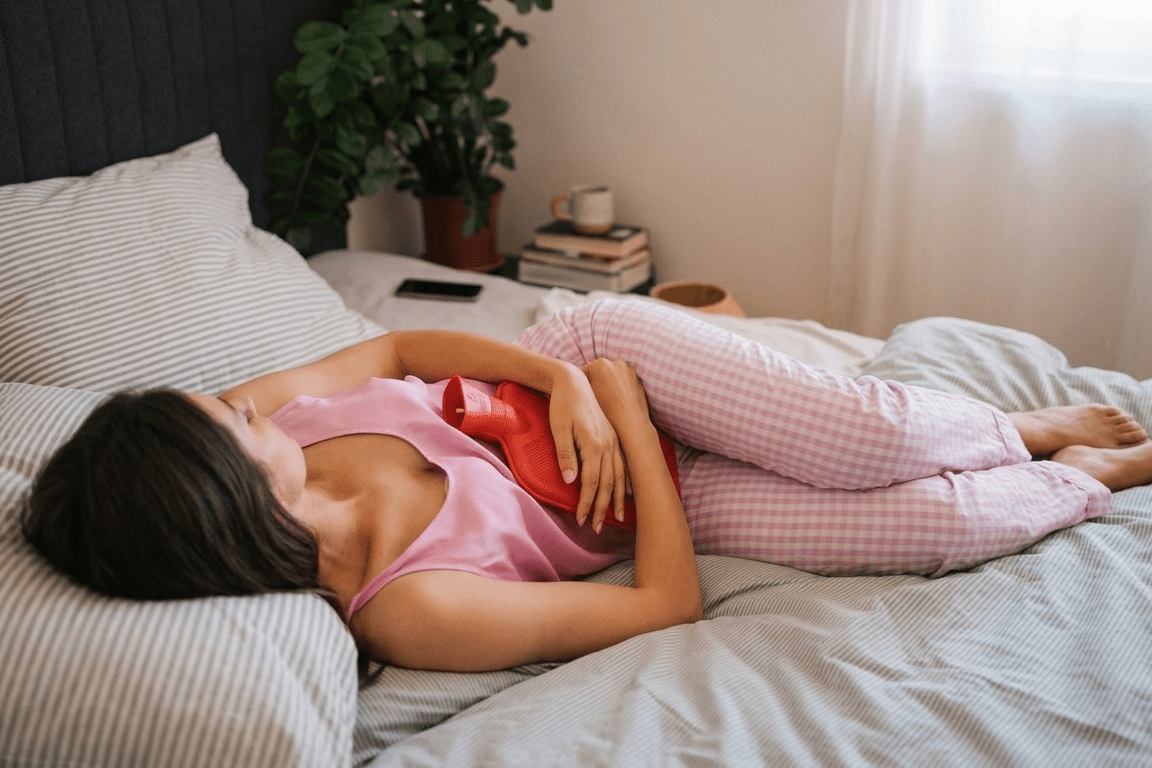
Bloating before your period. Loose stools on day one. Constipation in the week before it arrives. If your digestion seems to follow its own monthly calendar, you are not imagining it. The menstrual cycle-gut connection is real, well-documented, and surprisingly specific. Understanding why your digestive issues during your period happen, and what to do about them, can make your cycle significantly easier to manage.
2. What Is the Period-Gut Connection?
The gut and the reproductive system share more than just proximity. Both are influenced by the same key hormones, oestrogenand progesterone which fluctuate across the menstrual cycle. Because receptors for these hormones are present throughout the gastrointestinal tract, these shifts can affect gut motility, sensitivity, and even the composition of the gut microbiome. Research published on PMC (NCBI) found that over 73 per cent of healthy women, with no diagnosed gastrointestinal condition, reported at least one digestive symptom either before or during their period. Abdominal pain and diarrhoea were the most common. This is not a fringe experience. It is a normal, biologically grounded pattern that is still widely under-discussed.
3. The Biological Mechanism: What Is Happening Phase by Phase
Each phase of the menstrual cycle creates a distinct hormonal environment that shapes gut behaviour. The table below summarises what changes and why:
| Cycle Phase | Dominant Hormones | Digestive Effect |
|---|---|---|
| Menstruation (Days 1–5) | Prostaglandins spike, oestrogen/progesterone drop | Loose stools, cramping, period diarrhoea causes include prostaglandins stimulating gut smooth muscle |
| Follicular (Days 6–14) | Oestrogen rises steadily | Digestion generally improves, motility increases, bloating eases |
| Ovulation (Around Day 14) | Oestrogen peaks | Gut function typically at its best, some may notice looser stools |
| Luteal (Days 15–28) | Progesterone peaks | Gut motility slows, leading to constipation, period bloating, and gas |
Prostaglandins are the key driver of digestive issues during the menstrual phase. According to the Cleveland Clinic, these fatty acids are released just before menstruation to help the uterus contract and shed its lining. Because the gut is also composed of smooth muscle, excess prostaglandins crossing into systemic circulation stimulate intestinal contractions, causing period diarrhoea. In the luteal phase, rising progesterone actively slows gastrointestinal transit time. A study published on PubMed (NCBI) measured GI transit in 15 women across their cycles and found it was significantly prolonged during the luteal phase when progesterone was elevated. This slowing causes food to sit longer in the gut, producing gas, bloating, and constipation, all classic premenstrual digestive complaints.
4. Conventional Medical Approach
For most people, cycle-related digestive symptoms are manageable without medical treatment. The Cleveland Clinic notes that taking ibuprofen just before the start of a period can help reduce prostaglandin release, easing both cramp severity and period-related bowel changes. For those with existing conditions such as IBS, the Cleveland Clinic recognises the menstrual cycle as a predictable IBS trigger, and a gastroenterologist can help build a cycle-aware management plan.
5. Period Bloating Remedies and Lifestyle Strategies That Work
Lifestyle choices, applied with your cycle in mind, offer the most reliable relief from digestive issues during your period.
Eat to Support Each Phase
What you eat has a direct impact on both hormonal balance and gut motility. During the luteal phase, when constipation and bloating are most likely, increasing fibre intake is one of the most effective period bloating remedies. Fibre adds bulk and stimulates peristalsis, counteracting the slowing effect of progesterone. Aim for soluble fibre sources such as oats, lentils, and banana, which are gentler on a sensitive gut. Reducing salt during this phase also helps minimise water retention, which contributes to abdominal distension. During menstruation, when diarrhoea is the main concern, reducing fatty, spicy, and caffeinated foods limits the additional stimulation of gut contractions. Staying hydrated with plain water is especially important during this phase, as period diarrhoea causes fluid loss that can compound fatigue.
| Cycle Phase | Foods to Favour | Foods to Reduce |
|---|---|---|
| Menstruation | Plain rice, cooked vegetables, ginger tea, water | Coffee, fatty foods, alcohol, spicy food |
| Follicular | High-fibre vegetables, whole grains, fermented foods | Excess processed foods |
| Ovulation | Lean protein, complex carbs, probiotic-rich foods | Heavy, hard-to-digest meals |
| Luteal (pre-period) | Oats, lentils, banana, flaxseeds, leafy greens | Salty snacks, refined sugar, carbonated drinks |
Move Gently
Light exercise, particularly walking and yoga, stimulates bowel motility and helps relieve period-related bloating. Yoga poses such as Pawanmuktasana (wind-relieving pose) and Supta Matsyendrasana (supine spinal twist) are particularly effective at relieving trapped gas and abdominal discomfort. Even 20 minutes of walking on heavy days can meaningfully reduce bloating and improve mood through its effect on the gut-brain axis.
Manage Stress
The gut and brain are closely connected through the gut-brain axis. Stress increases cortisol and can affect gut movement and increase sensitivity, which may worsen cramping and bowel changes, especially during menstruation. In the premenstrual phase, practices like pranayama, meditation, and journalling can help reduce stress and support better digestive health.
Track Your Cycle and Symptoms
Tracking your digestive symptoms alongside your cycle for a few months can help you spot patterns. Once you know when issues like bloating or diarrhoea tend to occur, you can plan ahead instead of reacting. It is a simple, free, and empowering way to manage gut changes during the menstrual cycle.
6. Natural Support Options
- Probiotics: A review on PMC (NCBI) discusses the gut microbiome's role in metabolising oestrogen via the estrobolome, a collection of gut bacteria responsible for oestrogen processing. Supporting microbial diversity with Lactobacillus and Bifidobacterium strains may help maintain more stable hormonal cycling.
- Ginger tea: Well-established for reducing nausea and intestinal cramping. Particularly useful during the first two days of menstruation when prostaglandin-driven gut symptoms peak.
- Magnesium: Supports smooth muscle relaxation and helps ease constipation during the luteal phase. Magnesium-rich foods include pumpkin seeds, spinach, and dark chocolate.
- Fennel seeds: A traditional Indian remedy for bloating, fennel (saunf) relaxes intestinal smooth muscle and reduces gas. Chewing a teaspoon after meals during the premenstrual phase is a practical, evidence-aligned habit.
7. Can CBD Support Cycle-Related Gut Symptoms?
CBD (cannabidiol) is a non-psychoactive hemp compound that interacts with the body's endocannabinoid system (ECS). The ECS contains CB1 and CB2 receptors found throughout the gut wall and reproductive organs. Research published on PubMed Central shows that your gut, hormones, and menstrual cycle are closely connected and influence each other. This is the same system that CBD may help support and balance. Early research suggests CBD may help calm inflammation and ease discomfort by interacting with CB2 receptors in the gut, which are involved in controlling inflammation. In simple terms, this means it may help “turn down” the body’s inflammatory response during your period. However, strong clinical evidence for menstrual digestive symptoms is still limited. CBD is best used as part of a broader cycle-care routine, not as a standalone solution, and its effects can vary from person to person. It’s important to speak with a doctor before using CBD, especially if you are on hormonal contraceptives or other medications, as interactions are possible.
8. When to See a Doctor
Most cycle-related digestive changes are normal and manageable at home. However, speak to a doctor if: diarrhoea or cramping is severe enough to disrupt daily activities, symptoms last beyond the first two days of your period, you notice blood in your stool, digestive symptoms are worsening cycle by cycle, or you suspect an underlying condition such as IBS, IBD, or endometriosis, which can all be amplified by hormonal fluctuations.
9. About Qurist
Qurist is an Indian wellness brand focused on plant-based health products, with a particular emphasis on CBD-based formulations made from hemp. Products are developed with medical oversight and full ingredient transparency. Qurist does not claim to treat, cure, or prevent any medical condition. All products are intended to complement, not replace, medical care. Consult a healthcare professional before adding any new supplement to your routine.
10. Conclusion
Your digestive system is not unpredictable. It is cyclical. Oestrogen, progesterone, and prostaglandins each influence how your gut moves, how sensitive it feels, and how your gut microbiome functions across every phase of your cycle. Managing digestive issues during your period starts with understanding that biology, then layering in the practical tools: phase-appropriate nutrition, gentle movement, stress management, and natural supports where needed. Work with your cycle, not against it, and your gut will follow.
People Also Asked
1. Why do I get diarrhoea on the first day of my period?
This is primarily due to prostaglandins. These hormone-like compounds rise sharply just before menstruation to help the uterus contract and shed its lining. However, they also affect the intestines, which are made of similar smooth muscle. This leads to increased gut contractions, resulting in loose stools or diarrhoea, especially on day one or two of your period.
2. Why do I feel constipated before my period?
In the luteal phase (the week before your period), progesterone levels increase. Progesterone slows down gut motility, meaning food moves more slowly through your digestive system. This delay leads to harder stools, bloating, and the feeling of constipation that many people experience premenstrually.
3. Can hormonal changes worsen existing gut conditions like IBS?
Yes. The menstrual cycle is a known trigger for people with Irritable Bowel Syndrome (IBS). Hormonal fluctuations can amplify gut sensitivity, alter motility, and increase inflammation, making symptoms like cramping, bloating, diarrhoea, or constipation more pronounced during certain phases, particularly menstruation and the luteal phase.
4. What is the fastest way to reduce period bloating?
There is no instant fix, but a combination approach works best. Reducing salt intake, staying hydrated, and incorporating light movement like walking or yoga can provide noticeable relief within a day. Natural remedies such as ginger tea, fennel seeds, and magnesium-rich foods also help reduce bloating by improving digestion and relaxing intestinal muscles.
Disclaimer: This article is for informational and educational purposes only. It does not constitute medical advice. Please consult a qualified healthcare provider for diagnosis and treatment planning.


Leave a comment
All comments are moderated before being published.
This site is protected by hCaptcha and the hCaptcha Privacy Policy and Terms of Service apply.