



Chronic pain does not just hurt. It exhausts you. It follows you into sleep, sits with you at your desk, and quietly reshapes what you think you are capable of. If you have been managing pain for months or years, you already know that painkillers are often not enough and that the side effects of long-term medication use carry their own costs.
The good news is that a growing body of clinical evidence supports natural, lifestyle-based approaches that genuinely reduce pain, not by masking it, but by addressing the biology behind it. That includes options like CBD oil, now available for chronic pain management across India through Ayush-licensed channels.
Top 10 Natural Remedies for Chronic Pain Relief
1. Temperature Therapy: Heat vs. Cold
Understanding exactly when to use heat versus cold is crucial for effective relief. According to the Cleveland Clinic, you should choose your approach based on the specific type and stage of your discomfort.
Cold Therapy (For Acute Pain and Swelling): Cold should be used immediately after a sudden injury or during the first 48 hours of a sudden pain flare. It works by reducing acute inflammation and temporarily numbing pain signals at the nerve level. Applying an ice pack wrapped in a cloth for 10 to 15 minutes is a safe, zero-risk starting point for fresh pain.
Heat Therapy (For Chronic Stiffness): Heat is strictly utilized for chronic stiffness, ongoing muscle tension, and older aches. Applying heat increases blood flow to sore muscles and joints, which effectively relaxes the surrounding tight tissue. A warm compress applied for 15 to 20 minutes helps loosen persistent, long-term stiffness.
2. Gentle Movement and Exercise
Rest is intuitive when you are in pain, but prolonged inactivity worsens chronic pain by weakening the muscles that support joints, reducing circulation, and lowering the body's natural pain threshold.
Mayo Clinic consistently identifies regular low-impact exercise, walking, swimming, cycling, and yoga, as one of the most effective non-pharmacological interventions for chronic pain. Even 20 minutes of gentle daily movement improves pain outcomes over weeks.
3. Anti-Inflammatory Diet
Chronic pain is, at its root, often driven by systemic inflammation. A diet high in refined sugar, processed oils, and ultra-processed food sustains this inflammatory state. Shifting toward whole foods rich in antioxidants and polyphenols, colourful vegetables, legumes, whole grains, berries, and olive oil, reduces circulating inflammatory markers including CRP and IL-6. This dietary shift does not eliminate pain overnight, but studies show measurable reduction in chronic pain intensity over 6 to 12 weeks of consistent dietary change.
4. Turmeric and Curcumin
Curcumin, the active compound in turmeric, inhibits COX-2 enzymes and NF-kB inflammatory pathways, the same targets as many over-the-counter anti-inflammatory drugs.
A systematic review and meta-analysis published on PubMed (NCBI) found that curcumin at approximately 1000 mg per day produced clinically significant reductions in arthritis pain and inflammation. Combining turmeric with black pepper (piperine) increases curcumin absorption by up to 20-fold. Daily haldi milk or cooking with turmeric consistently is a practical and evidence-grounded habit.
5. Omega-3 Fatty Acids
Omega-3 fatty acids (EPA and DHA) reduce the production of prostaglandins and leukotrienes, the lipid compounds responsible for inflammatory pain signalling. Research published on PMC (NCBI) confirms that adequate omega-3 intake reduces systemic inflammation and supports nerve health, both of which are relevant to chronic and neuropathic pain. Indian dietary sources include flaxseeds, walnuts, chia seeds, and mackerel. Supplementation may be warranted if dietary intake is low.
6. CBD Oil and Cannabis-Derived Compounds
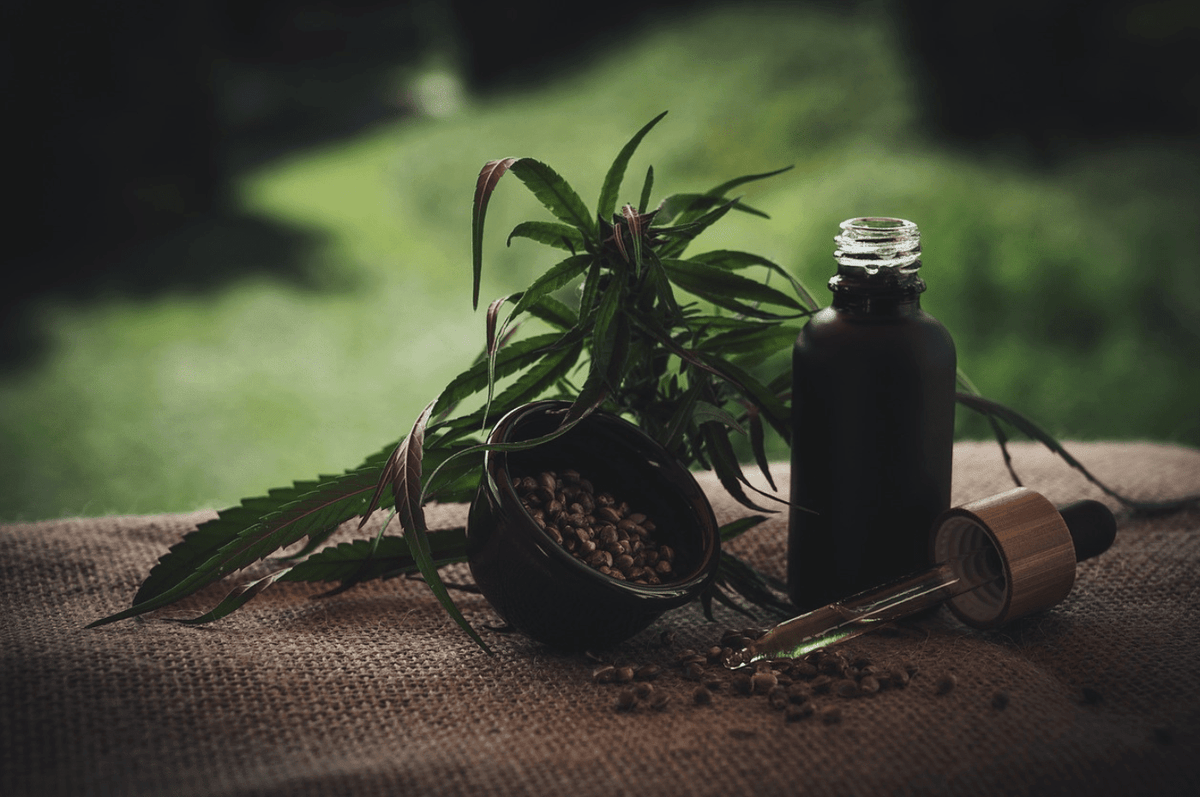
CBD oil interacts with receptors in the body's endocannabinoid system to help modulate pain signals and reduce localized neuroinflammation. In India, full-spectrum Vijaya extract containing hemp-derived CBD and THC is available legally under a Ministry of Ayush licence.
While CBD oil serves as a gentle daily foundation, CBD+THC oil offers a stronger, faster, and more complete therapeutic effect for serious or chronic conditions. Unlike conventional NSAIDs, it carries no gastrointestinal risks or dependence potential. Always consult a physician before use.
7. Epsom Salt Baths
Epsom salt is magnesium sulphate. Soaking in a warm Epsom salt bath provides localised heat (which relaxes muscles and improves circulation) alongside potential transdermal magnesium absorption, which supports muscle relaxation and reduces the nerve hypersensitivity that amplifies chronic pain.
A bath of 20 to 30 minutes with Epsom salt two to three times per week is a well-tolerated, accessible home remedy that many chronic pain patients report meaningful relief from, particularly for fibromyalgia, arthritis, and muscle pain.
8. Mind and Body Practices
Chronic pain is not purely physical. The nervous system's interpretation of pain signals is profoundly influenced by stress, anxiety, and attention. Practices including mindfulness meditation, pranayama, progressive muscle relaxation, and yoga-based movement have been shown in multiple clinical trials to reduce pain intensity, improve physical function, and lower psychological distress in chronic pain patients.
An 8-week mindfulness-based stress reduction (MBSR) programme is one of the most studied non-pharmacological interventions for chronic pain, with consistent evidence of meaningful benefit.
9. Acupuncture
Acupuncture is widely recognised as a supportive, non-pharmacological option for managing physical discomfort. According to a comprehensive data review published on PMC (NCBI), acupuncture may offer meaningful complementary relief for individuals navigating back and neck pain, osteoarthritis, and chronic headaches.
The practice involves stimulating specific points on the body, which is believed to help modulate how the nervous system processes pain signals and encourage the natural release of endorphins. Rather than serving as a standalone cure, acupuncture works best as a holistic addition to a broader, long-term pain management routine.
10. Better Sleep Hygiene
Chronic pain and poor sleep drive each other in a documented bidirectional loop: pain disrupts sleep, and sleep deprivation lowers the pain threshold and elevates inflammatory cytokines that sustain the pain cycle.
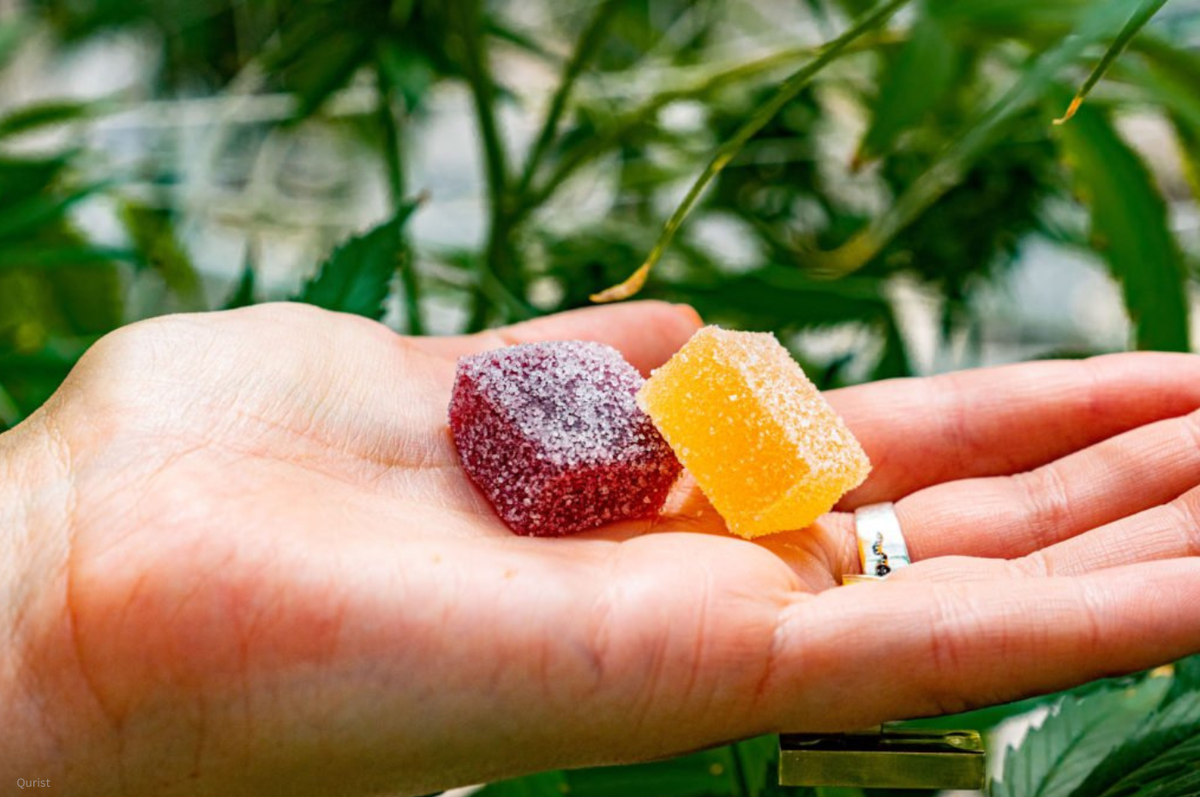
Research published on PMC (NCBI) confirms that sleep loss raises pro-inflammatory cytokines directly involved in pain amplification. Combining sleep gummies and 7 to 9 hours of consistent sleep through fixed wake times, a dark and cool room, no screens after 9 pm, and avoiding caffeine after 2 pm can measurably reduce pain sensitivity within weeks.
A note before you start: Natural remedies work best as part of a broader, medically supervised pain management plan. They are not a substitute for diagnosis or prescribed treatment. If your pain is worsening, affecting daily function, or accompanied by neurological symptoms, unexplained weight loss, or fever, see a doctor promptly. For cannabis-based products, always consult a physician first, especially if you are on blood thinners or other medication. Book a free Qurist doctor consultation for personalised guidance.
Frequently Asked Questions
Can chronic pain be managed without medication?
For many people, yes, at least partially. Evidence-based natural interventions including exercise, anti-inflammatory diet, acupuncture, CBD, and sleep hygiene have each demonstrated clinically meaningful pain reduction in research settings.
How long does it take for natural remedies to work for chronic pain?
Results vary by remedy and individual. Heat and cold therapy can provide relief within minutes. Curcumin and omega-3 interventions typically show measurable benefit over 4 to 8 weeks of consistent use. Exercise and sleep improvements often produce noticeable changes within 2 to 4 weeks. CBD may produce initial effects within days but usually shows its strongest benefit with 2 to 4 weeks of daily consistent dosing. Patience and consistency are essential.
Is CBD oil safe for long-term chronic pain management in India?
The WHO Expert Committee on Drug Dependence found pure CBD carries no potential for abuse or dependence and recommended against international drug control. CBD generally has a favourable safety profile, though it can interact with certain liver-metabolised medications, and some people experience mild side effects like fatigue or appetite changes. In India, opt for Ayush-licensed, lab-tested products, and discuss long-term use, dosage, and drug interactions with your doctor.

Leave a comment
All comments are moderated before being published.
This site is protected by hCaptcha and the hCaptcha Privacy Policy and Terms of Service apply.