


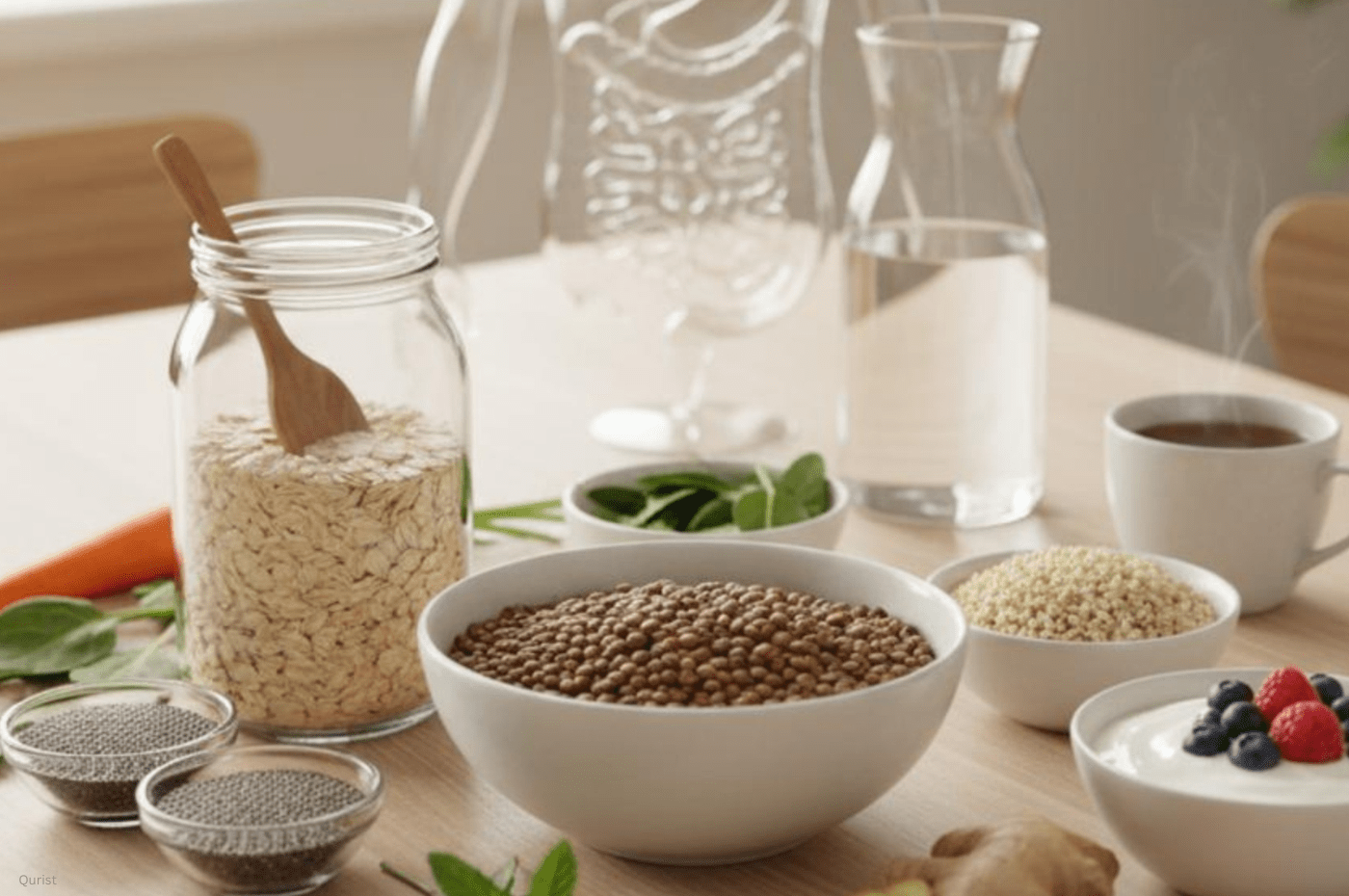
Digestive discomfort is far more common in India than we talk about. Some studies suggest that around 50% of Indians suffer from IBS by clinical definition. Broader gut issues like bloating, constipation, and poor immunity affect even more, with more than half ignoring early symptoms until they worsen. Symptoms like bloating after meals, alternating constipation and loose motions, frequent acidity, or stomach discomfort are often brushed off as “normal” or blamed on spicy food.
In reality, these symptoms can point to deeper gut imbalance.
Urban lifestyles have made things more complicated. Irregular meal timings, late nights, processed foods, stress-heavy routines, and frequent antibiotic use all affect the gut microbiome. Over time, the digestive system adapts but not necessarily in a healthy way. Many people simply learn to live with discomfort. But persistent digestive issues are not something one has to normalise. What the gut does is far more than process food. It supports immune balance, nutrient absorption, hormone regulation, and even our mental well-being.
Although it is always necessary to evaluate persistent or severe symptoms with a qualified doctor or consultant, most mild digestive issues are effectively resolved through consistent lifestyle adjustments supported by evidence-informed natural gut health solutions.
As gut health becomes more mainstream, store shelves and social media feeds are filled with probiotics, detox drinks, enzyme blends, and quick-fix supplements promising fast relief. But digestion does not follow trends. It is deeply individual. Your gut is influenced by what you eat, how you sleep, how stressed you are, your medical history, and the unique balance of bacteria living inside your digestive system. That internal ecosystem is different for everyone, which is why a product that works extremely well for one person may do very little or even worsen symptoms for another. In some cases, aggressive cleanses or frequent laxative use can further disrupt the gut instead of helping it recover. There is no universal formula for digestive wellness. Sustainable improvement comes from understanding your body’s specific needs rather than relying on one-size-fits-all solutions.
Below, find a practical, medically grounded guide regarding remedies that support digestive function and integrate into daily life.
Fiber: The Cornerstone of Digestive Health
Fiber plays a vital role to help promote bowel regularity and maintain gut health. Insoluble fiber acts to bulk the stool and move it along through the intestines. Soluble fiber absorbs water and feeds the friendly gut bacteria, which then produce short-chain fatty acids to keep the lining of the intestines healthy and to down-regulate inflammation.
Adequate intake of fiber may:
- Improve bowel regularity
- Prevent constipation
- Support IBS home treatment, especially constipation-predominant IBS
- Increase microbial diversity
Fiber must be increased slowly at all times, along with an adequate amount of water, so as not to cause excessive gas or bloating.
How to consume fibre?
Try to incorporate fiber into each of the main meals instead of having huge amounts in one or two settings.
- The vegetarian sources are lentils, chickpeas, kidney beans, oats, whole wheat, fruits such as apples and pears, and vegetables like carrots and spinach.
- Inclusion of non-vegetarian food: lean proteins like egg, chicken, or fish can be combined with fiber-packed sides, like quinoa, brown rice, or mixed vegetables.
- Other vegan sources: Chia seeds, flaxseeds, tofu, tempeh, legumes, whole grains, nuts, and seasonal fruits and vegetables.
Probiotics: Supporting Microbial Balance
The gut contains trillions of organisms that impact digestion, immune response, and inflammation. When this balance goes haywire, symptoms such as bloating, irregular stools, and discomfort often result.
Probiotics introduce useful bacteria that assist in restoring the balance. They enhance the barrier in the gut and competitively exclude pathogenic microbes.
Potential benefits include:
- Reduction of bloating
- Improved consistency of stool
- Support in functional digestive disorders
How to include probiotics
Start with food sources before supplements, unless otherwise suggested by a practitioner.
- Vegetarian sources: Yogurt with live cultures, kefir, traditional buttermilk
- Non-vegetarian inclusion: Probiotic-rich foods can be combined with protein-based meals like grilled fish or eggs.
- Vegan sources: Sauerkraut, kimchi-remaining fish sauce out, plant-based probiotic yogurts.
Consult a professional before adding probiotic supplements to your routine if you have an immunity problem.
Ginger: Helping Food Move Efficiently
Ginger accelerates gastric emptying and, hence, aids in digestion by helping the food move from the stomach to the small intestine faster, reducing heaviness after meals and other gastrointestinal complaints, including mild nausea.
It is often useful for:
- Occasional bloating
- Functional indigestion
- Mild nausea
How to consume ginger
- Add fresh ginger that is grated into warm water after meals
- Include it in cooking, especially in lentil or vegetable dishes.
- Small quantities should be used in herbal teas.
It is very important to note that this should be taken in moderation, as some people may experience heartburn if taken in excess.
Peppermint: Easing Abdominal Spasms
Peppermint includes menthol, which relaxes the smooth muscles along the gut. In this respect, the spasm that causes abdominal cramping and discomfort may be minimized.
It could be useful for:
- Abdominal pain related to IBS
- Cramping
- Functional bloating remedies
How to use peppermint
- Peppermint tea after meals
- Enteric-coated peppermint capsules under professional guidance
It should not be taken regularly by those who have acid reflux and must be taken upon practitioner advice.
Hydration: Simple but Essential
Water supports digestion by assisting enzyme activity and softening stool. Even mild dehydration can slow bowel movement and worsen constipation.
Practical tips:
- Drink water consistently through the day rather than in large amounts at once
- Increase intake during hot weather or physical activity
- Combine adequate hydration with fiber intake
Stress Regulation and the Gut-Brain Axis
The digestive system is very closely related to the nervous system. Therefore, stress can cause disturbances in gut motility, heighten pain sensitivity, and disturb the balance of the microbiome. This is of particularly great relevance when treating IBS at home.
These include the following supportive habits:
- Regular moderate exercise
- Deep breathing practices
- Regiments of regular sleep
- Avoiding heavy late night meals
Addressing stress often improves digestive symptoms more effectively than diet alone.
CBD for Digestive Health
Recent research has suggested that CBD interacts with the endocannabinoid system to regulate inflammation, gut motility, and pain perception, and this action may support individuals experiencing stress-related digestive discomfort or functional gut sensitivity.
Potential supportive roles include:
- Mild abdominal tenderness
- Remedies for bloating
- IBS-associated sensitivity
Evidence is still developing. Product quality, dosing, and potential interactions must be considered with caution. One must consult a qualified doctor or practitioner before introducing CBD into one's wellness routine.
About Qurist
When exploring plant-based support options, formulation standards and product consistency are important when exploring options for support. Qurist crafts wellness oils with attention to purity and responsible sourcing practices.
In the case of people who want to try CBD for digestive health within the realm of more general natural gut health solutions, sensitively formulated oils could act as supportive tools when used responsibly. No supplement, however, replaces proper medical diagnostic study. Persistent symptoms of indigestion must be evaluated by a qualified consultant to rule out an underlying condition.
Any decision on the use of cannabinoid-based products or other natural remedies should be guided by individual health history, current medications, and symptom patterns.
Conclusion
Better digestive health is achieved through gradual, well-informed habits rather than quick fixes. Practical measures include:
- Optimize fiber intake
- Supporting the microbiome
- Using ginger or peppermint appropriately
- Fluid intake
- Managing stress
- Seeking out alternative treatments, such as CBD oil, under professional supervision can provide meaningful support.
If symptoms persist, worsen, or interfere with daily life, seeking timely medical guidance remains the most important step. The gut is central to overall well-being, and it deserves careful, personalized attention.



Leave a comment
All comments are moderated before being published.
This site is protected by hCaptcha and the hCaptcha Privacy Policy and Terms of Service apply.