


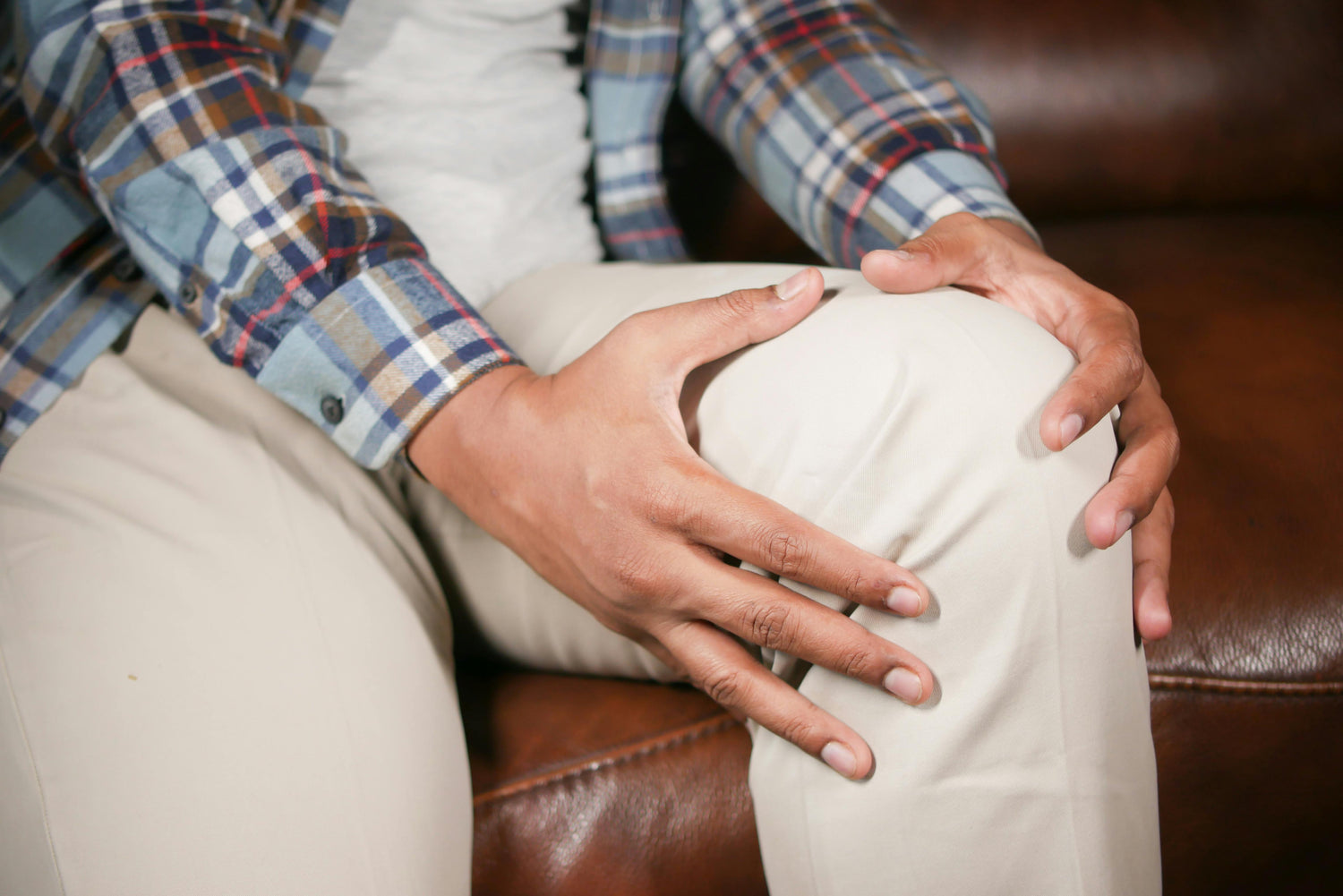
Every monsoon, many people in India experience a familiar sensation as the clouds gather, a familiar ache settles into their knees, hips, or fingers. Before the first drops fall, joints seem to have an uncanny ability to predict the change in weather. If you've ever found yourself thinking "my knees are telling me it's going to rain today," you aren't imagining things. There is a biological basis for that feeling.
Joint pain during the rainy season is one of the most common complaints Indians face in India, especially individuals with arthritis, the elderly, and those whose joints are already prone to wear. Understanding why joint pain intensifies in the monsoon is the first step to managing it effectively. This blog will delve into the science, lifestyle modifications, and natural remedies available.
What is Monsoon Joint Pain?
Monsoon joint pain isn't a separate diagnosis itself. It's rather an exacerbation of pre-existing joint issues, such as osteoarthritis or rheumatoid arthritis, when the weather becomes humid, barometric pressure falls, and temperatures fluctuate during the monsoon season.
Osteoarthritis (OA) is the most prevalent form of arthritis, characterized by the gradual degeneration of cartilage-the protective tissue that cushions the ends of bones. Rheumatoid arthritis (RA), on the other hand, is an autoimmune disease where the immune system mistakenly attacks the joint lining, leading to chronic inflammation. According to the National Institutes of Health (NIH), both these conditions are profoundly influenced by environmental factors, including weather and seasonal variations.
During the monsoon season in India, there are several key environmental shifts that occur simultaneously: barometric pressure declines, humidity increases, temperatures drop slightly, and activity levels usually decrease among the population. All of these elements contribute to the recurring and predictable nature of rainy season joint pain.
The Biological Mechanism: What Happens Inside Your Joints
To understand why your joints feel more painful during the monsoon, we need to examine what happens at the cellular level.
Every joint in your body-be it your knee, hip, or ankle-is surrounded by a variety of soft tissues: cartilage, tendons, ligaments, and a fluid-filled capsule containing synovial fluid. This synovial fluid acts as both a lubricant and a shock absorber during joint movement.
When the barometric pressure (the atmospheric weight exerted on the Earth) decreases before or during rainfall, the soft tissues surrounding your joints can expand slightly into this lower external pressure. According to the Cleveland Clinic, this expansion places additional strain on joints that are already weakened or inflamed, leading to increased pain and stiffness.
A systematic review and meta-analysis, published in PubMed (NCBI), revealed consistent evidence across 13 out of 14 studies linking weather conditions, such as barometric pressure and relative humidity, to increased osteoarthritis pain severity. High humidity was positively correlated with pain intensity, while cold temperatures were negatively correlated, indicating that a combination of cold and wet weather creates a particularly challenging scenario for joints.
Additionally, the slightly cooler temperatures during monsoon season can thicken the synovial fluid, diminishing its effectiveness as a lubricant. As Harvard Health Publishing explains, this is similar to how oil flows less freely in cold weather, making joint movement feel stiffer and more painful. There's also a neurological aspect. Joints contain pain receptors called nociceptors that detect pain signals. Under inflammatory conditions, these nociceptors become hypersensitive, amplifying pain responses. Weather-related changes in joint tissues can activate these pain pathways even without a new injury.
Conventional Medical Approach
Individuals managing arthritis or chronic joint pain typically rely on a combination of medication, physical therapy, and lifestyle modifications to cope with symptoms during the monsoon season.
Common medical interventions include non-steroidal anti-inflammatory drugs (NSAIDs) to reduce inflammation and pain, and, in severe cases, corticosteroid injections to address acute flare-ups. For rheumatoid arthritis, disease-modifying antirheumatic drugs (DMARDs) are prescribed to slow the progression of joint damage.
Physical therapy is a crucial component. A physiotherapist can guide you through specific exercises to strengthen the muscles surrounding affected joints, thereby offloading stress and enhancing joint stability.
It's important to strictly follow your doctor's recommendations before making any changes to your existing treatment plan. The lifestyle and natural therapies discussed in this blog are meant to complement, not replace, medical care.
Lifestyle Changes to Manage Monsoon Joint Pain
This is arguably the most powerful element of managing joint pain during the monsoon. Research consistently points to lifestyle choices, rather than supplements or medication alone, as the foundation for long-term joint health. The following are categorized into five key areas:
Stay Active: Movement is the Best Medicine
The worst thing you can do for your joints during the monsoon is to become inactive. If joints are not moved regularly, the surrounding muscles weaken, synovial fluid circulation becomes sluggish, and stiffness sets in. According to the Cleveland Clinic, regular joint movement is essential for managing weather-related pain because actively moving joints remain better lubricated and supported.
Low-impact exercises such as walking indoors, yoga, chair exercises, swimming (in pools, not in the rain), and gentle stretching are ideal. Even 20 to 30 minutes of daily movement can make a significant difference.
Yoga is particularly beneficial; poses like Pawanmuktasana (wind-relieving pose), Virabhadrasana (warrior pose), and gentle Surya Namaskar (sun salutation) help maintain joint flexibility and strength without overstraining them.
Nutrition: Feed Your Joints
What you eat directly affects joint inflammation. During the monsoon season, when inflammatory responses tend to be heightened, an anti-inflammatory diet becomes especially valuable.
|
Food Group |
Examples |
Benefit for Joints |
|
Omega-3 Fatty Acids |
Flaxseeds, walnuts, fatty fish | Reduces systemic inflammation |
| Collagen-Supporting Foods | Bone broth, citrus fruits, amla | Supports cartilage repair |
| Anti-Inflammatory Spices | Turmeric, ginger, black pepper | Natural COX-2 inhibition |
| Vitamin D Sources | Eggs, fortified milk, sunlight | Supports bone density and muscle function |
| Magnesium-Rich Foods | Leafy greens, seeds, bananas | Reduces muscle cramping around joints |
| Foods to Limit |
Deep-fried snacks, refined sugar, red meat |
These increase inflammatory markers |
Turmeric, a staple in Indian cooking, contains curcumin, a compound with well-documented anti-inflammatory properties. A systematic review and meta-analysis published in PubMed (NCBI) found that turmeric extract (approximately 1000 mg/day of curcumin) was effective in reducing arthritis symptoms across multiple randomised clinical trials. Adding turmeric with black pepper, which improves curcumin absorption, to your daily diet is a simple, evidence-supported habit.
Prioritise Quality Sleep
Insufficient sleep exacerbates pain perception. The relationship between sleep and pain is a two-way street: joint pain can disturb sleep, while sleep deprivation can lower your pain threshold and increase inflammatory markers. The National Institutes of Health (NIH) states that sleep deprivation is associated with increased levels of pro-inflammatory cytokines, the same chemical messengers that contribute to joint inflammation.
During the monsoon, cold or humid conditions can make sleep uncomfortable. Using warm, breathable bedding, maintaining a consistent sleep schedule, and ensuring a comfortable room temperature are all conducive to better recovery and reduced pain sensitivity.
Manage Stress Actively
Chronic stress raises cortisol levels, which when persistently elevated, contributes to systemic inflammation. For those with rheumatoid arthritis in particular, stress is a documented trigger for flare-ups. Practices such as deep breathing, pranayama, meditation, and even 10 minutes of quiet time each day have been shown to meaningfully reduce stress hormones and, by extension, inflammatory responses.
The Cleveland Clinic notes that pain perception itself is influenced by psychological state. People who are more anxious or stressed tend to experience the same physical sensations as more intense pain. Managing stress is therefore not a peripheral concern; it is a direct pain management strategy.
Smart Daily Habits for Joint Care
- Keep joints warm: Wear warm, dry clothing and use heat therapy (warm compress or heating pad) on painful joints to improve local circulation and relax surrounding muscles.
- Stay hydrated: Synovial fluid is largely composed of water, so insufficient hydration can reduce its volume and viscosity. Drink 8 to 10 glasses of water daily.
- Maintain a healthy weight: Every kilogram of excess body weight adds about 4 kilograms of extra force to your knee joint when you walk. According to the Arthritis Foundation, weight management is one of the most effective strategies for managing knee pain, whether during monsoon or not.
- Avoid prolonged sitting: If you work from home or spend many hours sitting, take short breaks every 30 to 40 minutes to stand up and walk around, which helps prevent joint stiffness.
- Wear supportive footwear: Monsoon weather often means wet floors and uneven surfaces. Supportive, non-slip shoes help reduce strain on ankle, knee, and hip joints.
Natural Support Options
In addition to diet and exercise, several natural remedies have a long history of use in India and are increasingly being supported by scientific evidence.
- Ginger: Gingerols and shogaols, the active compounds in ginger, have demonstrated anti-inflammatory properties. Studies indexed on PubMed suggest that ginger may influence the same inflammatory pathways as mild NSAIDs, with a generally more favorable side effect profile.
- Ashwagandha: This adaptogenic herb, widely used in Ayurveda, has been studied for its potential to reduce inflammation markers and improve pain and physical function in individuals experiencing joint discomfort.
- Warm oil massage: Traditional Indian Abhyanga (self-massage with warm sesame or mustard oil) can enhance local circulation, reduce stiffness, and provide temporary pain relief. While not a medical treatment, it's a low-risk practice with centuries of use in Indian healthcare traditions.
- Epsom salt soaks: Soaking in warm water mixed with Epsom salts (magnesium sulfate) can help relax muscles and ease joint discomfort, particularly in the feet and ankles.
Can CBD Help with Monsoon Joint Pain?
Beyond the established lifestyle pillars, there's another emerging natural support that's worth considering: CBD (cannabidiol), a non-psychoactive compound derived from hemp.
The human body possesses an endocannabinoid system (ECS), which is a network of receptors (CB1 and CB2) present throughout the body, including in joint tissues and the synovium. According to a review published on PMC (NCBI), the ECS plays a vital physiological role in modulating tissue inflammation and pain signaling. CB1 and CB2 receptors are abundant in the synovium of osteoarthritic and rheumatoid arthritic joints, where they appear to actively participate in pain regulation.
Preclinical research published in NCBI (PMC) indicated that CBD may help reduce nociceptor activity in osteoarthritic joints, with some animal models showing decreased joint inflammation and nerve sensitization after CBD administration. Research published on PMC also suggested that CBD may possess anti-inflammatory and antioxidant properties beneficial for joint health.
A survey-based exploratory study published on PMC (NCBI) found that participants who used CBD reported reduced pain levels and a diminished reliance on other pain medications. The osteoarthritis group in particular reported significant pain reduction.
It's important to note that robust human clinical trial data for CBD in managing joint pain is still limited. CBD is not currently recommended as a standalone treatment for musculoskeletal pain. Individual responses vary significantly, and factors like dosage, method of administration, and the specific joint condition all play a role in the outcome.
CBD can support the body's inflammation regulation and pain response mechanisms when used as part of a broader wellness strategy. It is not a cure and should not be used in place of prescribed medications. Anyone considering using CBD should first consult with their doctor, especially if they are on blood thinners, immunosuppressants, or other medications, as CBD can interact with certain drugs.
When to See a Doctor
While many cases of monsoon joint pain can be managed with lifestyle adjustments and natural support, there are important warning signs that require prompt medical attention.
- Joint pain accompanied by fever, especially if it comes on suddenly
- Significant swelling, warmth, or redness in one or more joints
- Pain severe enough to limit basic daily activities such as walking, dressing, or climbing stairs
- Morning stiffness that consistently lasts longer than one hour
- Joint pain that does not improve with rest, heat therapy, and basic home care after a few days
- Any new joint pain in a child or adolescent
- Pain accompanied by unexplained fatigue, weight loss, or skin changes
If you have been diagnosed with rheumatoid arthritis or another inflammatory joint condition, speak with your rheumatologist before monsoon season begins to discuss whether any adjustments to your treatment plan are needed.
About Qurist
Qurist is an Indian wellness brand that focuses on plant-based health products, with a strong emphasis on CBD-based formulations derived from hemp. Qurist products are developed with medical guidance and transparency regarding ingredients and sourcing to support general well-being as part of a comprehensive health routine.
Qurist does not make any claims that its products can diagnose, treat, cure, or prevent any medical condition. Its offerings are intended to complement, rather than replace, medical care. Individuals interested in incorporating a Qurist product into their regimen should always consult a healthcare professional, especially if they are managing a diagnosed health issue or are currently taking medication.
Conclusion
Monsoon joint pain is a genuine phenomenon with a biological basis. When barometric pressure drops, humidity increases, and temperatures decrease, the tissues surrounding your joints can respond in ways that exacerbate existing pain, especially if you have osteoarthritis, rheumatoid arthritis, or a history of joint injury.
The most effective tools at your disposal are the ones you can incorporate into your daily life: staying active with low-impact exercises, following an anti-inflammatory diet, ensuring adequate sleep, managing stress, keeping your joints warm, and maintaining good hydration. These lifestyle habits are the cornerstone of healthy joints year-round.
Natural remedies such as turmeric, ginger, and emerging options like CBD may provide supplementary benefits when integrated into a holistic approach, but they are most effective when used in conjunction with the fundamental lifestyle changes and any prescribed medical treatments.
This monsoon season, pay attention to the signals your joints are sending you, and respond with scientifically-backed habits. Don't hesitate to seek medical advice if your symptoms seem unusual.


Leave a comment
All comments are moderated before being published.
This site is protected by hCaptcha and the hCaptcha Privacy Policy and Terms of Service apply.