


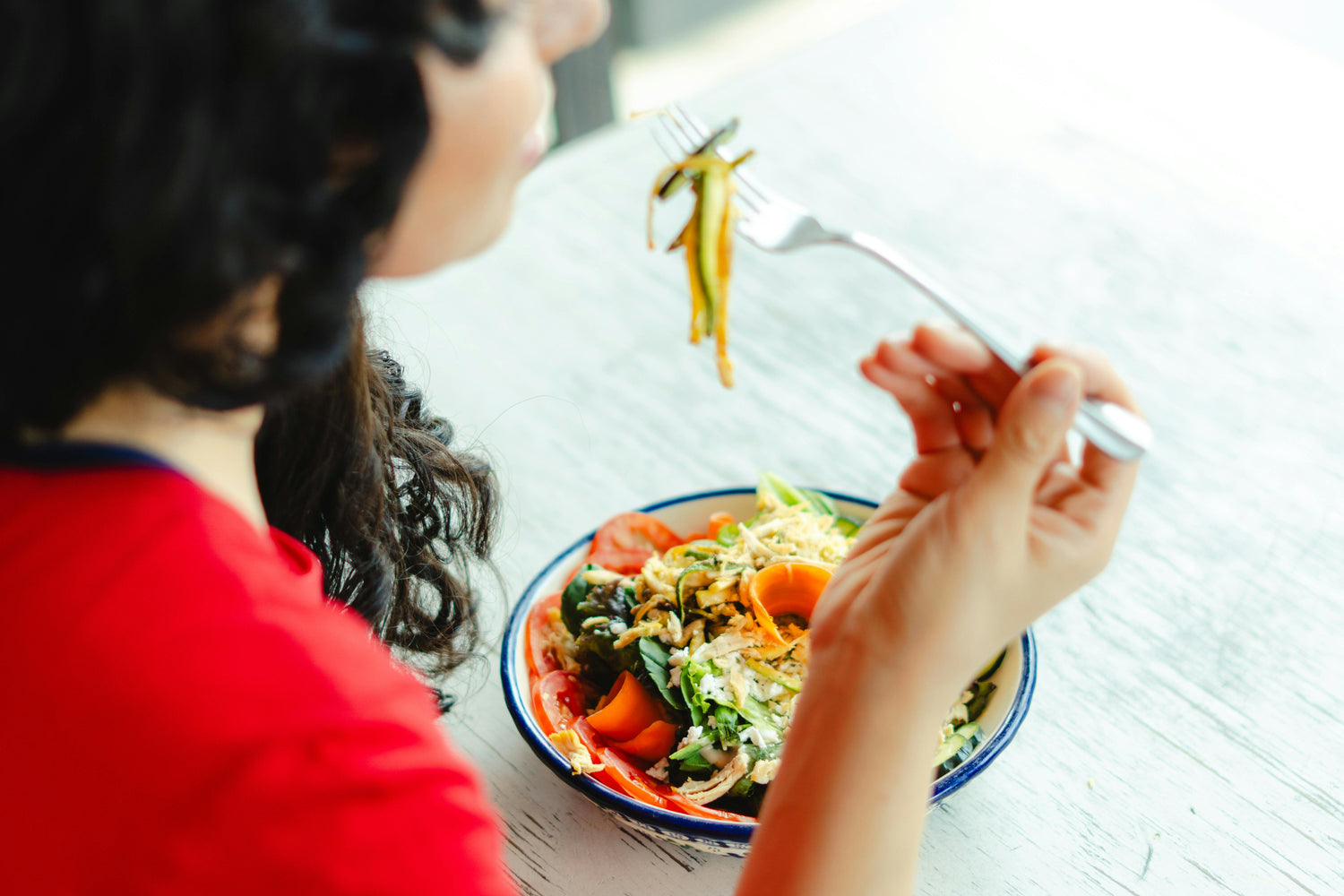
You wake up stiff. By midday, a fatigue you can't quite explain has settled in. Some days your digestion feels off; others, your joints ache for no obvious reason. Easy to dismiss as stress, aging, or just one of those days -but these quiet, persistent symptoms often share a common root: chronic inflammation.
Inflammation itself isn't the enemy. It's your body's natural defense system, a biological alarm that springs into action when you're injured or fighting infection. The problem starts when that alarm never fully shuts off. Low-grade, chronic inflammation simmers beneath the surface -invisible on most tests, easy to overlook, but quietly linked to everything from fatigue and brain fog to heart disease and diabetes.
What Is Inflammation and Why It Matters
What is Inflammation? Inflammation is the body‘s response to injury, infection or stress. The Mayo Clinic quotes “Acute inflammation helps the body to heal itself, by increasing blood flow to the affected area and bringing immune cells to the tissue”.
Chronic inflammation, as opposed to acute, does not go away but persist at relatively low level over long period of time, and been associated with:
- Cardiovascular disease
- Type 2 diabetes
- Arthritis
- Gastroenterological diseases.
Inflammation has long term effects. The World Health Organization (WHO) states ‘Chronic diseases, some of which are inflammatory conditions, make up nearly 71 percent of all deaths worldwide’.
What Happens Inside the Body
On a biological level inflammation is the culmination of complex immune signaling. When your body discovers a danger, certain immune cells release chemical signals called cytokines. These signals increase the flow of blood to the area and attract more immune cells. This process is good when it is short-lived but if it persists too long it can cause tissue damage.
According to research from the National Institutes of Health (NIH), chronic inflammation can:
- Disrupt normal cellular function
- Increase oxidative stress
- Change insulin signaling
- The impact of gut microbiota balance of affect
A very important factor is the effect of diet. Food can either promote or inhibit inflammatory pathways. Which means nutrition is one of the easiest tools we have to counteract inflammation.
Conventional Medical Approach
Inflammation is usually treated by the Doctor according to the underlying causes which have persisted for a long time.
Common approaches include:
- Medications with anti inflammatory properties to provide short term relief
- Treating primary conditions such as infection, autoimmune condition.
- Lifestyle advice such as diet, activity training
Health professionals are keen to stress that no diet will replace treatment but can help to greatly influence people‘s health long term.
Building an Anti Inflammatory Diet
Diet plays a direct role in either promoting or reducing inflammation. Research from the Harvard T.H. Chan School of Public Health shows that long-term dietary patterns can influence key inflammatory markers such as C-reactive protein (CRP) and interleukin-6 (IL-6).
Diets high in refined sugars, trans fats, and processed foods are associated with increased inflammatory signaling, often mediated through pathways like NF-κB activation. In contrast, diets rich in whole foods such as fruits, vegetables, whole grains, and fatty fish provide bioactive compounds that help regulate immune responses and reduce inflammation.
Overall, sustained dietary habits, rather than individual foods, play a critical role in determining the body’s inflammatory state.
Anti Inflammatory Foods
Including the right foods can help regulate inflammation.
Common anti inflammatory foods include:
- Fruits & veg including spinach, berries and tomatoes
- Good fats such as olive oil and its nuts
- Carbohydrates in whole grains such as: brown rice, oats, and wheat products.
- Omega 3 rich fatty fish
- Various spices such as turmeric, ginger, and red and black peppers
Evidence indicates that diets high in these foods have the potential to decrease some markers of inflammation for example, C-reactive protein (CRP).
Foods That Reduce Inflammation
Certain nutrients play a direct role in modulating inflammatory pathways and supporting systemic homeostasis. Examples include:
- Omega-3 fatty acids (EPA and DHA): Commonly found in fatty fish, these long-chain polyunsaturated fatty acids are known to regulate inflammatory responses by influencing eicosanoid synthesis and reducing the production of pro-inflammatory cytokines.
- Polyphenols: Present in fruits and plant-based foods, polyphenols exhibit strong antioxidant properties. They help neutralize reactive oxygen species (ROS) and support the restoration of endogenous antioxidant defenses, thereby mitigating oxidative stress.
- Dietary fiber: Fiber contributes to gut health by promoting a diverse and balanced microbiota. Through fermentation, it leads to the production of short-chain fatty acids (SCFAs), which play a role in immune modulation and maintaining intestinal barrier integrity.
According to the Cleveland Clinic, ‘a diet that is high in fiber can help uplevel the diversity of a person‘s gut microbiome, which plays a key role in inflammation.’
Inflammatory Foods to Avoid
Just as some foods help, others can worsen inflammation.
Common inflammatory foods to avoid include:
- Refined carbohydrates such as white bread
- Sugary beverages
- Processed snacks
- Excess red and processed meats
- Trans fats and deep fried foods
Clinical studies have shown that taking these inflammatory foods to stay away from regularly can lead to an increase in the levels of inflammation markers.
Anti Inflammatory Indian Diet
Though Indian cuisine can be naturally anti-inflammatory, the traditional Indian diet can be incorporated with the help of natural anti-inflammatory foods and ingredients.
Key components include:
- Turmeric-based curries with black pepper for improved absorption
- Lentils and legumes for plant-based protein and fiber
- Whole grains like millets, brown rice, and whole wheat
- Seasonal vegetables and leafy greens
- Use of mustard oil or groundnut oil in moderation
Traditional Indian diets often include naturally anti-inflammatory elements when minimally processed and balanced.
Sample Anti Inflammatory Diet Plan India
A simple daily structure may look like:
Morning
Warm water with turmeric and lemon
Oats or poha with vegetables
Lunch
Brown rice or millet roti
Dal with vegetables
Salad with cucumber and carrots
Evening
Handful of nuts and green tea
Dinner
Vegetable khichdi or grilled paneer with sautéed vegetables
This approach emphasizes whole foods, balanced nutrition, and minimal processed intake.
Supportive Natural Options
Alongside diet, other factors influence inflammation:
- Regular physical activity improves circulation and metabolic health
- Stress management may reduce inflammatory hormone responses
- Adequate sleep supports immune regulation
Not all of these factors depend solely on the training program, they can also be influenced by the diet used. They can all assist in speeding up the recovery as a whole.
Where CBD May Play a Supportive Role
The body has an internal regulatory system called the endocannabinoid system, which helps maintain balance across functions like inflammation, stress, and pain.
Research indexed by the National Center for Biotechnology Information suggests cannabinoids may interact with immune pathways and influence inflammatory signaling.
CBD may support:
- Inflammatory balance
- Stress response
- Sleep quality
Having said that CBD is not a substitute for an anti inflammation diet or medical attention. It can be used as an addition to a lifestyle choice.
Different people feel the effects of CBD differently. You should always see a registered doctor before use, particularly if you have an existing condition.
When to Seek Medical Advice
Dietary changes can support health, but medical evaluation is necessary in certain situations.
Consult a doctor if you experience:
- Persistent joint pain or swelling
- Chronic fatigue
- Digestive issues lasting several weeks
- Unexplained weight changes
These symptoms reflect an underlying pathophysiology that may require medical referral.
About Qurist
Qurist develops cannabinoid-based wellness products with a strong emphasis on quality, transparency, and consistency. These formulations are designed to integrate into a holistic wellness routine, where some individuals may choose to include CBD oils alongside balanced nutrition, regular physical activity, and appropriate medical guidance.
Qurist products are intended to complement, not substitute, established medical care or prescribed treatments. Individuals, particularly those with existing health conditions or those currently undergoing treatment, are advised to consult a qualified healthcare professional prior to use.
Conclusion
Inflammation is invisible at times, but it may affect many aspects of health. Short term inflammation is good as it might be necessary for health. However long-term inflammation needs care. The advantages of an anti-inflammatory diet formed from whole, nutrient rich foods can be significant in personal risk reduction. Conversely, a conscious avoidance of processed foods and sugar laden foods is also undoubtedly as vital.
Alongside medical advice, lifestyle changes, and educated decision making, managing inflammation becomes a realistic and long term habit. Balance and consistency and awareness are the three pillars to optimal health.



Leave a comment
All comments are moderated before being published.
This site is protected by hCaptcha and the hCaptcha Privacy Policy and Terms of Service apply.