


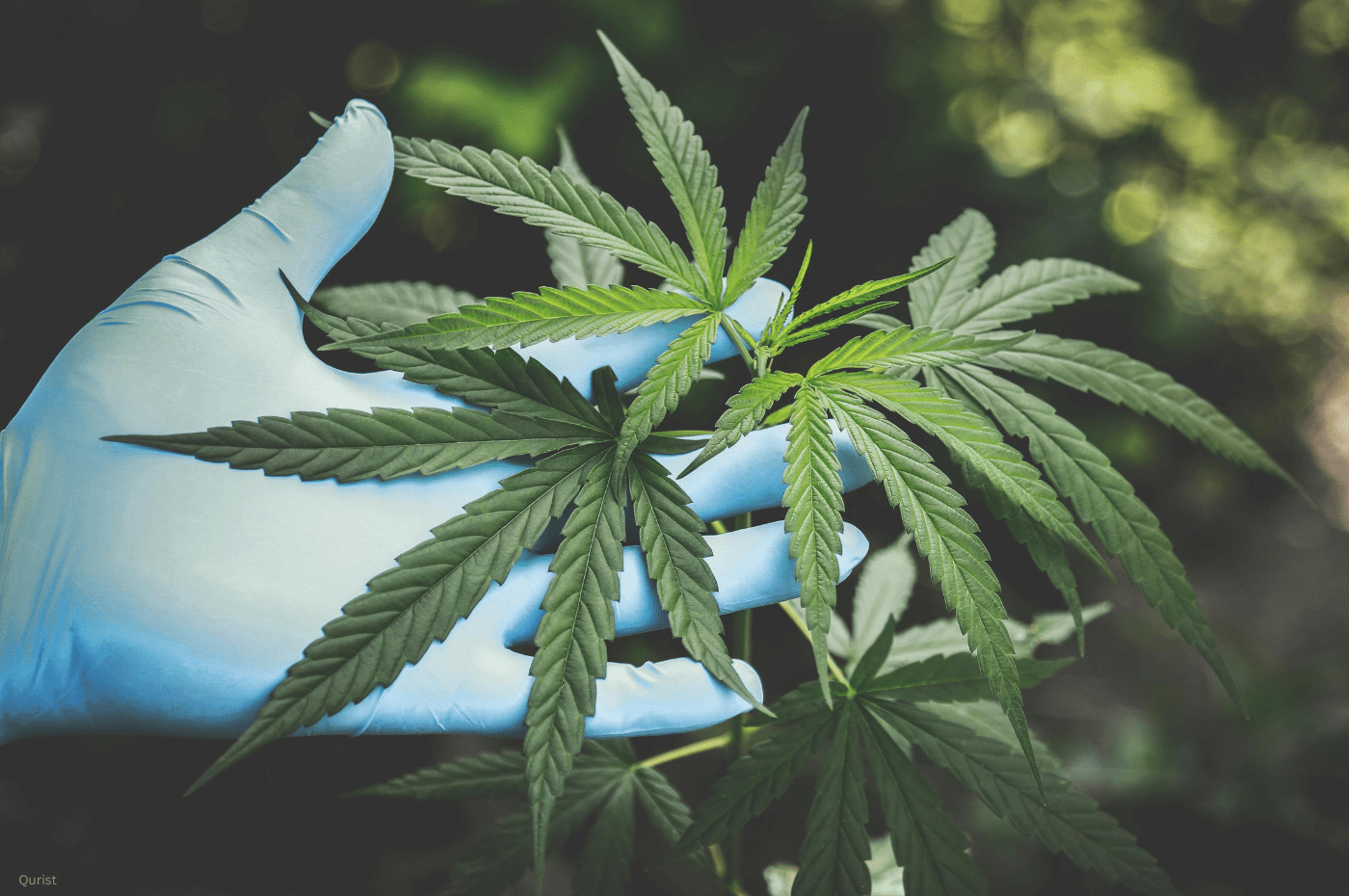
Five years ago, mentioning cannabis in Indian healthcare marketing would have been unthinkable. Today, medical cannabis brands navigate complex terrain between decades of stigma and emerging therapeutic acceptance. This transformation represents one of India's most dramatic shifts in healthcare communication strategies, requiring unprecedented sensitivity to regulatory frameworks, cultural values, and deeply entrenched misconceptions.
The journey from taboo to medicine isn't just about changing products—it's about fundamentally reshaping how Indians perceive, discuss, and access cannabis-based treatments within a society where pharmaceutical marketing evolution has always balanced tradition with innovation.
The Weight of Historical Stigma
Cannabis marketing in India requires sensitivity to historical perceptions and cultural values. Decades of association with misuse created hesitation around its medical use, making awareness efforts distinct from other pharmaceuticals. Brands must balance regulatory compliance with education, rebuilding trust by emphasizing both scientific evidence and India’s wellness traditions.
The Pharmaceutical Marketing Evolution
Medical cannabis entered an Indian pharmaceutical landscape already undergoing dramatic transformation. Digital health platforms, telemedicine adoption, and increased wellness consciousness created an environment where alternative medicine discussion became more acceptable.
Changing Perceptions Alternative Medicine accelerated during the pandemic, when Indians explored natural immunity boosters and holistic health approaches. This shift created space for conversations about cannabis as medicine rather than vice.
Healthcare Communication Strategies in India traditionally relied on doctor authority and family decision-making. Medical cannabis brands adapted these established patterns, emphasizing medical supervision and family wellness rather than individual choice or rebellion against traditional values.
Navigating the Regulatory Maze
Medical Cannabis Advertising Guidelines in India remain complex and often unclear, creating challenges for brands attempting legitimate health education campaigns effectiveness. Unlike established pharmaceutical products with defined marketing parameters, cannabis exists in regulatory gray areas requiring conservative, cautious approaches.
Educational vs. Promotional Content becomes a critical distinction. Brands focus on informing rather than selling, recognizing that cannabis stigma reduction campaigns must prioritize knowledge over commerce to build trust and legitimacy.
Platform Restrictions limit where and how medical cannabis can be discussed. Social media guidelines, advertising platform policies, and traditional media hesitance create barriers that force innovative healthcare marketing regulations India-compliant approaches.
The Evolution of Messaging Strategies
Phase One: Medical Legitimacy emphasized research, clinical studies, and healthcare provider endorsements. Early campaigns focused heavily on differentiating medical cannabis from recreational use, establishing scientific credibility before attempting broader consumer outreach.
Phase Two: Cultural Reconnection brought Ayurvedic heritage into focus, reminding Indians of cannabis's traditional medicinal role. This strategy leveraged respect for ancient wisdom to counteract modern stigma, positioning medical cannabis as reclaiming heritage rather than importing Western trends.
Phase Three: Patient Stories humanized medical cannabis through real experiences, showing ordinary Indians finding relief from chronic conditions. These narratives proved more powerful than clinical data for changing perceptions alternative medicine within family and community contexts.
Phase Four: Wellness Integration positioned medical cannabis within broader self-care and preventive health movements, reducing the "sick person's drug" perception and normalizing cannabis as part of comprehensive wellness strategies.
Digital Innovation in Health Education
Content Marketing Dominance emerged as the primary vehicle for medical cannabis awareness campaigns in India. Blogs, videos, webinars, and social media content educate without explicitly advertising, building trust through information rather than promotion.
Community Building through online forums and support groups creates safe spaces for cannabis discussions away from judgment. These communities become powerful advocates, sharing experiences and reducing stigma through peer connection.
Healthcare Professional Outreach targets doctors, pharmacists, and medical students through specialized content, recognizing that healthcare provider comfort with cannabis directly impacts patient access and acceptance.
Measuring Marketing Success Differently
Traditional pharmaceutical metrics—prescription rates, market share, revenue—don't fully capture medical cannabis marketing success in India. The industry must also measure:
- Stigma Reduction through sentiment analysis, media coverage tone shifts, and public perception surveys tracking changing attitudes over time.
- Healthcare Provider Engagement monitoring doctor willingness to discuss cannabis, prescribing comfort levels, and integration into treatment protocols.
- Patient Education assessing knowledge gains, misconception reduction, and informed decision-making capacity rather than just purchase behavior.
Challenges That Remain
Regulatory Uncertainty continues to hamper the development of comprehensive medical cannabis advertising guidelines, forcing brands to remain conservative e and potentially limiting their reach.
Platform Censorship sees social media and advertising platforms blocking legitimate medical cannabis content alongside recreational promotion, restricting health education campaigns effectiveness.
Cultural Sensitivity Requirements demand that healthcare communication strategies in India respect diverse regional attitudes, religious beliefs, and generational perspectives simultaneously.
The Path Forward
The marketing evolution of cannabis in India demonstrates that pharmaceutical marketing evolution requires more than promotional tactics—it demands genuine educational commitment, cultural understanding, and patience with gradual social change.
Transparency and Education will continue driving success more than clever advertising. Brands that invest in comprehensive, scientifically accurate information building trust through knowledge rather than hype will lead the market.
Collaborative Approaches between industry, healthcare providers, regulators, and patient advocates can create frameworks for responsible cannabis communication that protects consumers while enabling access.
About Qurist
Qurist has been at the forefront of India's medical cannabis marketing evolution, pioneering educational approaches that respect cultural values while advancing healthcare access. Our commitment extends beyond selling products to transforming conversations.
Why Qurist Leads:
- Education-First Approach: Comprehensive resources prioritizing knowledge over sales
- Cultural Sensitivity: Marketing that respects Indian values and family dynamics
- Regulatory Compliance: Conservative, responsible communication within legal frameworks
- Healthcare Partnership: Collaboration with medical professionals for credible messaging
Qurist believes responsible medical cannabis marketing must prioritize patient education, healthcare provider support, and stigma reduction over commercial interests. We're committed to building trust through transparency, science, and cultural understanding.
(Disclaimer: ALWAYS speak to your doctor before starting CBD.)



Leave a comment
All comments are moderated before being published.
This site is protected by hCaptcha and the hCaptcha Privacy Policy and Terms of Service apply.