


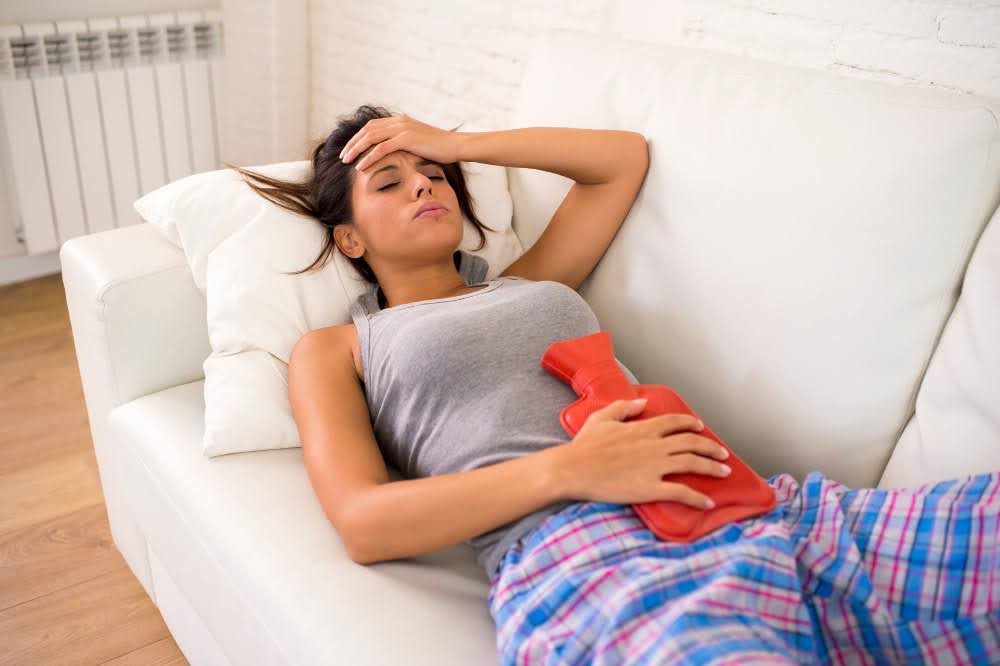
When cramps hit, you want something that actually works, not a lecture. The reassuring part is that period pain is well understood, and several approaches have real evidence behind them. Cramps happen because the uterus contracts to shed its lining, driven by hormone-like chemicals called prostaglandins; higher prostaglandin levels mean stronger contractions and more pain (Cochrane review, 2015). Most of what follows works by either lowering those prostaglandins or easing the muscle tension they cause. Here are twelve ways to get relief, from the fastest-acting to the everyday habits that make the next cycle easier.
1. Heat on Your Lower Abdomen
Heat relaxes the uterine muscle and eases cramping, and it works quickly. A systematic review and meta-analysis found that heat therapy relieved menstrual pain as well as, or better than, painkillers in several trials (Scientific Reports, 2018). A hot water bottle, a heat patch, or a warm bath all do the job. Responses vary individually.
2. NSAIDs, Taken Correctly
Non-steroidal anti-inflammatory drugs (NSAIDs) such as ibuprofen and naproxen work directly on the cause of cramps by blocking prostaglandin production (Cochrane review, 2015). They tend to help most when taken at the first sign of pain or bleeding rather than after cramps have peaked. If your periods are predictable and you usually experience severe cramps, speak to your doctor about whether starting an NSAID shortly before your period begins may be appropriate for you. This is an individual medical decision and may not be suitable for everyone, particularly those with certain stomach, kidney, or bleeding conditions.
3. Ginger (Adrak)
Ginger has genuine anti-inflammatory action, and the evidence for period pain is encouraging. An Indian meta-analysis led by researchers at AIIMS found that ginger reduced menstrual pain and worked comparably to NSAIDs, with fewer side effects(Cureus, 2021). Fresh adrak steeped in hot water for ten minutes is an easy, familiar way to take it.
4. Gentle Exercise
Movement releases endorphins, the body's own pain relievers, and it can genuinely reduce cramps. A Cochrane review concluded that regular exercise may meaningfully lower menstrual pain intensity (Cochrane review, 2019). Walking, cycling, or a light home workout a few times a week is enough; you do not need anything strenuous.
5. Yoga and Stretching
Gentle poses such as cat-cow, child's pose (balasana), and a reclined butterfly stretch the pelvic and abdominal muscles, improve blood flow, and ease tension. Yoga was among the exercise approaches shown to reduce menstrual pain in the same body of evidence (Cochrane review, 2019). Even ten to fifteen minutes can help on a bad day.
6. Magnesium-Rich Foods
Magnesium helps relax smooth muscle, including the uterine wall. Everyday Indian sources include palak (spinach), bananas, almonds, rajma, and a square of dark chocolate. Dietary supplements for period pain carry only low-quality evidence overall, so treat this as gentle, everyday support rather than a cure (Cochrane review, 2016). If you are considering a magnesium supplement, discuss the dose with a doctor.
7. Omega-3 Foods
Omega-3 fatty acids have anti-inflammatory properties that may help lower prostaglandin levels. Accessible Indian sources include flaxseed (alsi), walnuts, and chia seeds; fatty fish is an option if you eat it. As with other dietary approaches, the evidence is modest, and regular intake through the month tends to matter more than a last-minute change (Cochrane review, 2016).
8. Vitamin B1 (Thiamine)
Vitamin B1 has some of the better evidence among nutrients for period pain. In a large Indian randomised trial of 556 young women, 100 mg of thiamine daily for 90 days substantially reduced menstrual pain (Indian Journal of Medical Research, 1996). Foods rich in B1 include whole grains, legumes, and sunflower seeds. Check with a doctor before starting a supplement.
9. Stay Hydrated
Dehydration can worsen bloating, which makes cramps feel worse. Sipping water throughout the day and warm fluids like ginger or ajwain tea supports muscle relaxation and helps with the bloated, heavy feeling many people get.
10. Ease Off Caffeine and Alcohol
Caffeine can tighten blood vessels and add to tension, while alcohol can disrupt sleep and worsen how you feel. Cutting back on both during your period is a low-effort change that many people find takes the edge off.
11. Prioritise Sleep
Pain feels worse when you are short on sleep. Aiming for seven to eight hours, especially in the days just before and during your period, can change how intensely you experience cramps.
12. Track Your Cycle
Knowing when your period is due lets you get ahead of the pain: start heat early, plan lighter days, and have your chosen remedy ready. If your cramps are severe and predictable, tracking also gives your doctor the information they need to advise whether a pre-emptive approach is right for you.
When to See a Doctor
Period pain that does not ease with painkillers, heat, and these changes can point to an underlying condition such as endometriosis, fibroids, or pelvic inflammatory disease. If your cramps regularly stop you from getting through your day, if the pain is getting worse over time, or if you notice heavier bleeding or pain between periods, see a gynaecologist. This is not pain you simply have to live with.
CBD as a Complementary Option
Period pain rarely comes alone. Disturbed sleep, low mood, and irritability often ride along with it, and this is where some people look at cannabidiol (CBD). CBD works with the endocannabinoid system (ECS), a network of receptors that helps regulate pain, inflammation, mood, and sleep, which is why it is being explored for the wider premenstrual picture rather than cramps alone. The evidence specific to period pain is still emerging, so it is best seen as complementary support alongside the approaches above, not a replacement for them.
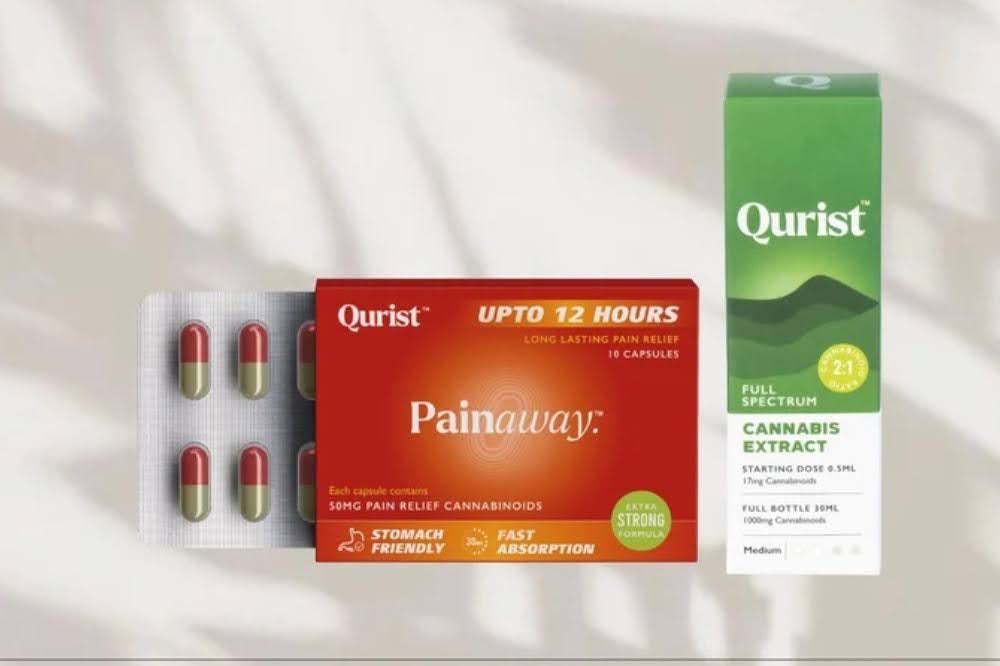
For this whole-cycle support, Qurist offers a full-spectrum cannabis oil containing both CBD and tetrahydrocannabinol (THC) for cramps that come with disturbed sleep or mood, and a non-intoxicating CBD oil for daytime use, since CBD on its own causes no psychoactive effect. Declared THC content is approved by the Ministry of AYUSH. Every batch is AYUSH-licensed and NABL third-party tested, made using CO2 extraction, winterisation, multiple distillation rounds, and HPLC purification. Qurist does not claim to treat, cure, or prevent any medical condition, and these products are designed to complement, not replace, medical care. Consult a qualified healthcare professional before use, particularly if you take blood thinners, anti-epileptic medication, or other drugs processed by the liver, as cannabinoids can interact with them.
Book a Free Medical Consultation
Not sure what combination is right for your cycle? Qurist offers a free consultation with experienced doctors who can look at your symptoms and any medication you take before suggesting a starting point.
Disclaimer: This blog is for educational and informational purposes only and is not intended to provide medical advice, diagnosis, or treatment. Qurist does not claim that its products diagnose, treat, cure, or prevent any medical condition. Our products are intended to complement, not replace, appropriate medical care. Consult a qualified healthcare professional before using any product, particularly if you are taking blood thinners, anti-epileptic medicines, or other medicines that are metabolised by the liver, or if you have an existing medical condition. Individual responses may vary.
Frequently Asked Questions
What is the fastest way to relieve period pain?
For most people, heat on the lower abdomen combined with an NSAID like ibuprofen taken at the first sign of pain gives the quickest relief. The heat eases muscle tension while the medication reduces the prostaglandins driving the cramps.
Does ginger really help with period cramps?
Yes, the evidence is reasonably good. An Indian meta-analysis found ginger reduced menstrual pain and performed comparably to NSAIDs, with fewer side effects, at around 750 to 2000 mg a day during the first few days of the period.
Can CBD help with period pain?
CBD works with the endocannabinoid system, which helps regulate pain, inflammation, mood, and sleep, so it is being explored for the wider premenstrual experience. The evidence specific to period pain is still emerging, so treat it as complementary support and speak to a doctor before starting, especially if you take other medication.
When should I see a doctor about period pain?
See a doctor if your cramps regularly interfere with daily life, if the pain does not improve with over-the-counter treatment, or if you notice changes in your cycle, heavier bleeding, or pain between periods.

Leave a comment
All comments are moderated before being published.
This site is protected by hCaptcha and the hCaptcha Privacy Policy and Terms of Service apply.