


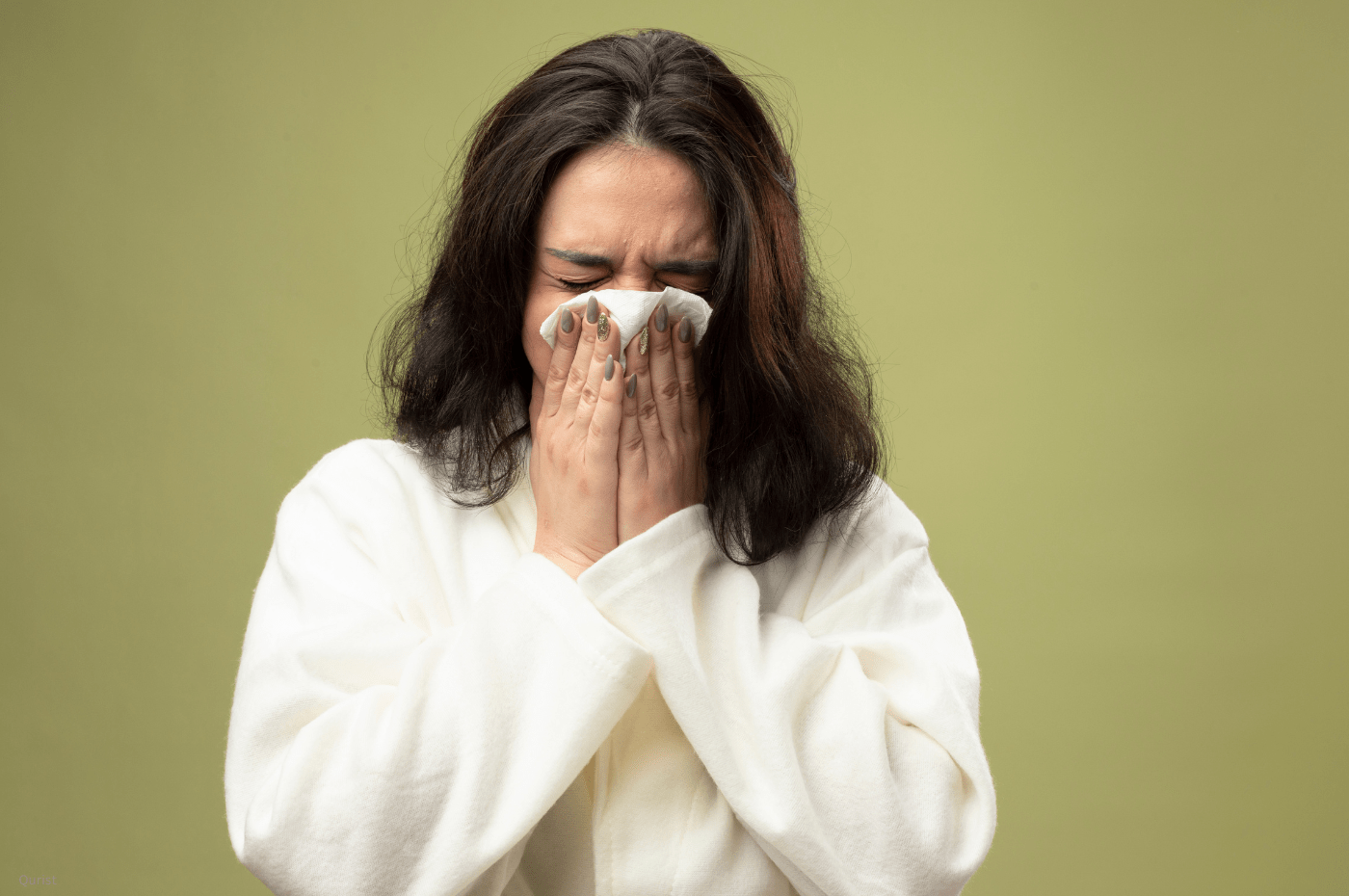
Ever noticed how a perfectly normal day can turn into a night of sniffles? One evening you are fine, and the next you are searching for tissues at 2 am with a scratchy throat and a blocked nose. As the seasons shift, many of us feel it almost instantly in our bodies. The scratchy throat that suddenly develops in the night, the runny nose that stubbornly persists, or the characteristic heaviness that settles in during seasonal change are small reminders of how closely our health is connected to the environment around us.
On average, adults suffer from two to three episodes of the common cold every year, usually occurring in episodes around the time of the change of seasons. While these are but minor ailments, they can still impact one’s energy levels, sleep patterns, and overall functioning. Home remedies that are informed by medical knowledge can meaningfully support recovery. Simple steps like staying well hydrated, resting adequately, using steam inhalation for congestion, and gargling with warm salt water for throat irritation can help ease symptoms while the body heals.
Nutritious, light meals and soothing ingredients like ginger or honey may also provide comfort. While these remedies do not replace medical care when needed, they can offer safe and practical support during seasonal discomfort.
Understanding Cold, Flu & Seasonal Changes
The common cold and the flu are both viral illnesses that target the upper respiratory system, but how and when they strike can look quite different in a country like India, with its mix of extreme summers, humid monsoons, and chilly winters. Seasonal influenza circulates all year here, yet cases typically surge twice annually - during the monsoon months and again in winter - leading to tens of thousands of confirmed infections and hundreds of reported deaths each year, with the true burden likely higher due to under-testing and underreporting. Globally, influenza is estimated to infect up to one billion people every year and cause 290,000 - 650,000 respiratory deaths, and a significant share of these severe cases in young children occur in low- and middle-income countries such as India.
Colds are even more frequent than flu and are among the most common reasons Indians visit clinics or miss work and school, especially during the changing seasons. National data on respiratory infections suggest that tens of millions of respiratory illness episodes are recorded in India annually, with children under five and older adults at particular risk of complications like pneumonia, wheezing, or asthma attacks - risks that are often amplified in crowded cities with high levels of air pollution.
The body’s reaction to such infections is both protective and adaptive.
Protective, because the immune system works to contain and eliminate the virus. Symptoms like fever, mucus production, and coughing may feel uncomfortable, but they help slow viral growth and clear the airways.
Adaptive, because the immune system learns from the encounter. It produces targeted antibodies and forms memory cells, allowing for a faster and more efficient response if the body is exposed to the same virus again.
Inflammation is a mechanism that helps to sequester the invading organisms, mucus helps to trap them, and immune cells work to eliminate them. Many of the best treatments for the common cold and flu are centered on helping such mechanisms rather than hindering them.
Supporting Immunity Through Daily Habits
The immune system is not a solo player. It is greatly affected by the quality of sleep, diet, hydration, and stress. When these are poor, the body is more susceptible to infections.
Many home remedies for boosting the immune system are centered on helping the body’s first line of defense. This includes protecting mucosal surfaces, taking care of the gut, and reducing systemic inflammation. Over time, such activities help the body’s natural immune system to be stronger and more consistent, especially during the changing seasons.
Evidence-Based Home Remedies
- Warm Liquids: Warm liquids are one of the simplest and most effective ways to deal with an infection. Herbal teas, broth soups, and even just warm water can help to thin out mucus, making it easier for the body to expel.
- Honey and Ginger: The combination of honey and ginger has been in use for many years, and current knowledge helps to explain the rationale behind this combination. Honey is a natural demulcent and forms a protective layer over the throat, which helps to reduce the cough reflex. Ginger contains compounds like gingerol that have anti inflammatory and antioxidant properties. Together, they may relieve throat irritation and cough, while also supporting digestion, which may be affected during illness.
- Steam Inhalation: Steam inhalation remains a popular remedy for relieving nasal congestion. Inhaling warm steam helps moisturize the nasal passages, thin mucus, and facilitate sinus drainage. This can reduce breathing difficulty and sinus pressure. Care must be taken to avoid burns, especially in children.
- Saltwater Gargling: Saltwater gargling has a sound physiological basis. A saline solution helps reduce inflammation of throat tissues and may inhibit the growth of microorganisms. Gargling with salt water can relieve throat irritation and support healing.
Lifestyle and Seasonal Wellness
However, home remedies work best in conjunction with healthy daily routines. Sleep is a crucial factor in the regulation of the immune system, as the most important repair work is done during deep sleep phases. Even minor disruptions in sleep patterns can impair the efficiency of the immune system, leading to slower recovery.
Diet is another important factor. A diet rich in fruits, vegetables, nuts, and whole foods provides the body with the necessary nutrients, including vitamin C, zinc, and antioxidants. These help boost the immune system and enable the body to fight off infections effectively.
Stress is another factor that is often ignored but has a definite impact on the immune system. High levels of stress hormones can weaken immune defenses and make the body more vulnerable to infections. Simple techniques like breathing exercises, light physical activity, or sticking to a routine can help manage stress.
However, the absence of stress alone is not enough to build resilience. The body also benefits from positive emotional states. Practicing small, consistent moments of happiness such as spending time with loved ones, engaging in hobbies, or expressing gratitude can support emotional balance. Positive emotions are associated with healthier stress responses and better immune regulation, making overall wellbeing not just about reducing stress, but actively cultivating joy.
By following these tips for staying healthy during the seasons, a strong foundation for good health can be established, and the chances of falling ill can be significantly reduced.
The Role of Cannabinoids in Recovery
Interest in cannabinoids, especially CBD, has been on the rise in the wellness and recovery space. However, it is essential to note that CBD for immunity is not a direct immune cell stimulator. Rather, it is a facilitator of balance in the body.
CBD works in conjunction with the endocannabinoid system, which regulates inflammation, sleep, mood, and stress. By influencing these factors, it may help create a conducive environment for recovery. For example, enhanced sleep and reduced stress can be an indirect immune system booster.
Some people claim that CBD is effective in promoting relaxation and sleep quality when one is ill. Since sleep is inextricably tied to recovery, this can be an important supporting role. However, this is not a universal experience, and its use must be considered carefully.
Integrating Modern Formulations Thoughtfully
Traditional medicine is a robust foundation, but modern supplements have the advantage of consistency and simplicity of use. For example, standardized plant oils can be precisely dosed and incorporated into one’s lifestyle without too much complexity.
These products can be considered complementary to each other. They do not substitute the need for hydration, nutrition, and rest but can be used to address certain aspects of wellness like sleep or stress management. Their use becomes more important for people who like to have a structured and predictable approach to wellness.
About Qurist
Qurist is a brand that provides plant-based wellness products that try to connect traditional knowledge with modern research. Their products are usually designed to address areas of sleep, relaxation, and overall recovery, which are all interlinked with the immune system.
In the context of seasonal illness, these products can be seen as complementary tools and not substitutes. For instance, better sleep quality or stress management can help the body fight infections in a better way. Qurist oils are usually designed to be easily incorporated into one’s daily routine.
However, it is also important to note that any supplement, including CBD oils, is ideally to be taken after consulting a professional practitioner. This is because individual health conditions, medications, and reactions can all vary.
When to Seek Medical Attention
Most common colds will resolve on their own in a few days. However, there are some symptoms that require professional attention. Fever, shortness of breath, fatigue, or lack of improvement in a week’s time should not be neglected.
Conclusion
Common colds are a regular occurrence during the changing seasons. However, the manner in which we treat them can make all the difference in our recovery and overall health. Careful attention to home remedies that boost the immune system, along with healthy lifestyle choices, can be very effective in providing relief and building resilience.
Methods that emphasize natural support for the immune system, such as rest, healthy eating, and supplements, are well-rounded in their approach to health. Whether it is drinking warm fluids, using traditional ingredients like ginger and turmeric, or incorporating modern supplements like CBD oils, each component has its own importance when used properly.
The aim is not to eradicate illness but to help the body respond to, recover from, and maintain balance during the changing seasons. The aim is not to eradicate illness but to help the body respond to, recover from, and maintain balance during the changing seasons.



Leave a comment
All comments are moderated before being published.
This site is protected by hCaptcha and the hCaptcha Privacy Policy and Terms of Service apply.