


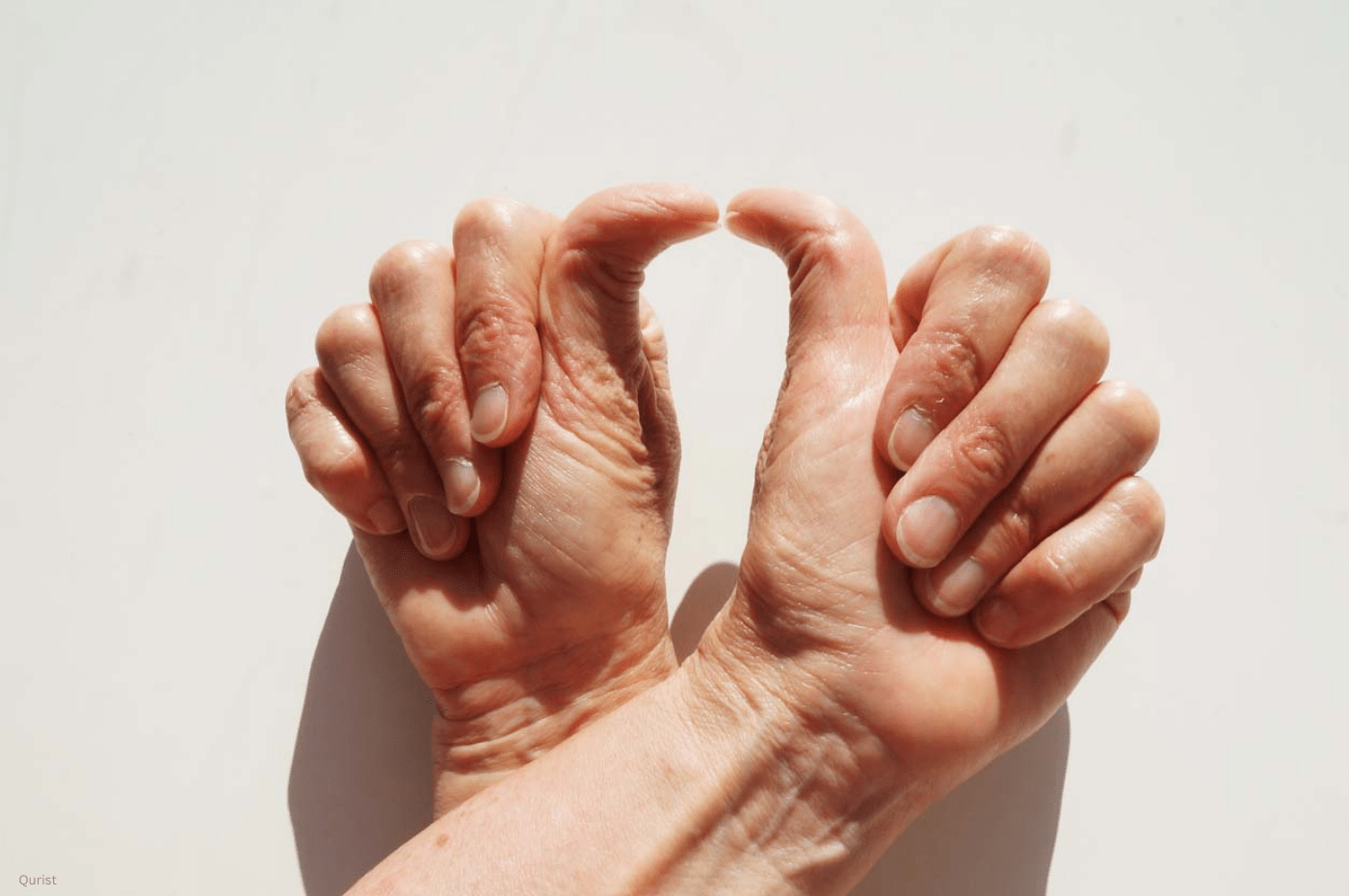
Ehlers-Danlos Syndrome: Managing & Living with EDS
Living with Ehlers-Danlos Syndrome (EDS) can feel like navigating a world that wasn’t built for your body. From chronic joint pain to fragile skin that bruises at the slightest touch, Ehler-Danlos Syndrome is more than just "being flexible"—it’s a complex, often misunderstood condition that affects every aspect of life.
In this guide, we’ll break down what Ehler-Danlos Syndrome really is, why it happens, and how people manage it day-to-day. We’ll also explore how CBD, a natural compound from hemp, might offer relief for some of the toughest symptoms.
What is Ehlers-Danlos Syndrome (EDS)?
Ehlers-Danlos Syndrome is a group of inherited connective tissue disorders that weaken collagen—the body’s "glue" that holds everything together. When collagen is faulty, joints dislocate easily, skin stretches abnormally, and even blood vessels can become fragile.
Imagine your body as a house. In most people, collagen acts like strong nails and sturdy beams, keeping everything stable. But in Ehler-Danlos Syndrome, those nails are loose, and the beams bend too easily. That’s why simple movements—like opening a jar or standing up too quickly—can lead to injuries.
The Different Types of Ehler-Danlos Syndrome: Which One Do You Have?
There are 13 recognized types of Ehler-Danlos Syndrome, but the most common ones are:
1. Hypermobile Ehler-Danlos Syndrome
- The most frequent type (80-90% of cases).
- Extreme joint flexibility, frequent dislocations, and chronic pain.
- No specific genetic test yet—diagnosed based on symptoms.
2. Classical Ehler-Danlos Syndrome
- Stretchy, velvety skin that scars easily.
- Joints are hypermobile, but not as unstable as Hypermobile Ehler-Danlos Syndrome.
3. Vascular Ehler-Danlos Syndrome
- The most dangerous type—affects blood vessels and organs.
- High risk of ruptures in arteries or the intestines.
The other types are rarer, each with unique challenges, but all share the core issue of faulty collagen.
What Causes Ehler-Danlos Syndrome?
Ehler-Danlos Syndrome is genetic, meaning it’s passed down in families. If one parent has Ehler-Danlos Syndrome, their child has a 50% chance of inheriting it. But sometimes, a spontaneous gene mutation can cause Ehler-Danlos Syndrome even with no family history.
The root problem? A defect in genes that produce or process collagen. Without strong collagen:
- Joints slip out of place.
- Skin tears or bruises like tissue paper.
- Blood vessels and organs are more prone to damage.
Common Symptoms of Ehler-Danlos Syndrome
People with Ehler-Danlos Syndrome don’t all experience the same symptoms, but many deal with:
1. Joint Instability (The "Party Trick" That Isn’t Fun)
- Frequent dislocations (shoulders, knees, fingers).
- Chronic joint pain from muscles overworking to compensate.
2. Skin That’s Too Stretchy or Fragile
- Easy bruising (sometimes without even remembering an injury).
- Slow wound healing—scars may stretch or split open again.
3. Fatigue That Feels Like a Weight
- Not just "being tired"—Ehler-Danlos Syndrome fatigue is bone-deep exhaustion from the body constantly fighting instability.
4. Autonomic Dysfunction (POTS & More)
- Dizziness when standing (Postural Orthostatic Tachycardia Syndrome, or POTS).
- Digestive issues (slow stomach emptying, IBS-like symptoms).
5. Invisible Pain
- Nerve pain, muscle spasms, and headaches that don’t show up on scans.
How Is Ehler-Danlos Syndrome Diagnosed?
Getting diagnosed can be a long, frustrating journey. Many doctors aren’t familiar with Ehler-Danlos Syndrome, leading to misdiagnoses like fibromyalgia or "just anxiety."
The Diagnostic Process:
- Clinical Evaluation – A geneticist or rheumatologist checks:
- Joint hypermobility (Beighton score).
- Skin elasticity & scarring.
- Family history.
- Genetic Testing
- Ruling Out Other Conditions – Like lupus or Marfan syndrome.
Pro Tip: Bring a symptom journal to appointments—it helps doctors connect the dots.
Managing Ehler-Danlos Syndrome: Treatments That Help (and What Doesn’t)
There’s no cure for Ehler-Danlos Syndrome, but the right strategies can reduce pain and prevent complications.
1. Physical Therapy (The Gold Standard)
- Strengthening muscles around joints helps prevent dislocations.
- Low-impact exercises (swimming, Pilates) are best.
2. Pain Management
- NSAIDs (ibuprofen) for mild pain.
- Nerve pain meds (gabapentin) for burning/tingling.
- Avoid opioids—they worsen fatigue and don’t fix the root issue.
3. Bracing & Mobility Aids
- Knee braces, finger splints, or wheelchairs for unstable joints.
- Compression garments for POTS-related blood pooling.
4. Lifestyle Adjustments
- Pacing activities (rest before you’re exhausted).
- Soft, seamless clothing to avoid skin irritation.
Can CBD Help with Ehler-Danlos Syndrome Symptoms?
Many with Ehler-Danlos Syndrome are turning to CBD (cannabidiol) for relief—especially where traditional meds fall short.
How CBD Might Help:
- Reduces Inflammation – CBD interacts with the body’s endocannabinoid system, calming overactive immune responses.
- Eases Nerve Pain – Studies suggest CBD may dull chronic pain signals.
- Improves Sleep – Helps with the insomnia many Ehler-Danlos Syndrome patients face.
- Calms Anxiety – Living with chronic illness is stressful; CBD may lower cortisol levels.
About Qurist: One of India’s top CBD companies
Qurist, with its transparent, Indian-made CBD products, offers a credible option for those seeking gentle, plant-based tools to navigate long-term discomfort, always as part of a mindful, medically guided plan.
Why Choose Qurist’s CBD for Nerve Pain?
Qurist offers completely natural, high-quality CBD products recommended by doctors, ideal for Ehler-Danlos related discomfort. No more chemical medication based side effects! Listed below are some pain-easing products:
1. Qurist Full-Spectrum CBD+THC Oil
- Potent anti-inflammatory effects
- Sublingual absorption for fast relief
- Comes in three different intensities for all kinds of pain!
- 100% natural and preservative free
2. Qurist Wide-Spectrum CBD Oil
- Zero psychoactive effect
- Long lasting pain relief, sublingual absorption
- Also comes in three different intensities
- 100% natural and preservative free
3. Qurist Painaway tablets
- Safe for severe pain
- All-day comfort
- Fast Absorption
- 100% natural and preservative free
Ehler-Danlos Syndrome is a lifelong condition, but it doesn’t have to define you. Finding a supportive community and advocating for yourself with doctors can make all the difference.
Remember: Your pain is real. Your fatigue is valid. And with the right tools—whether physical therapy, PT, braces, or CBD—you can still live a full, vibrant life.
(Note: Medical cannabis/CBD is a prescription based medication to be consumed only on advice of your treating doctor. first—CBD can interact with some medications ,so please consult your doctor before using it.)


Leave a comment
All comments are moderated before being published.
This site is protected by hCaptcha and the hCaptcha Privacy Policy and Terms of Service apply.