


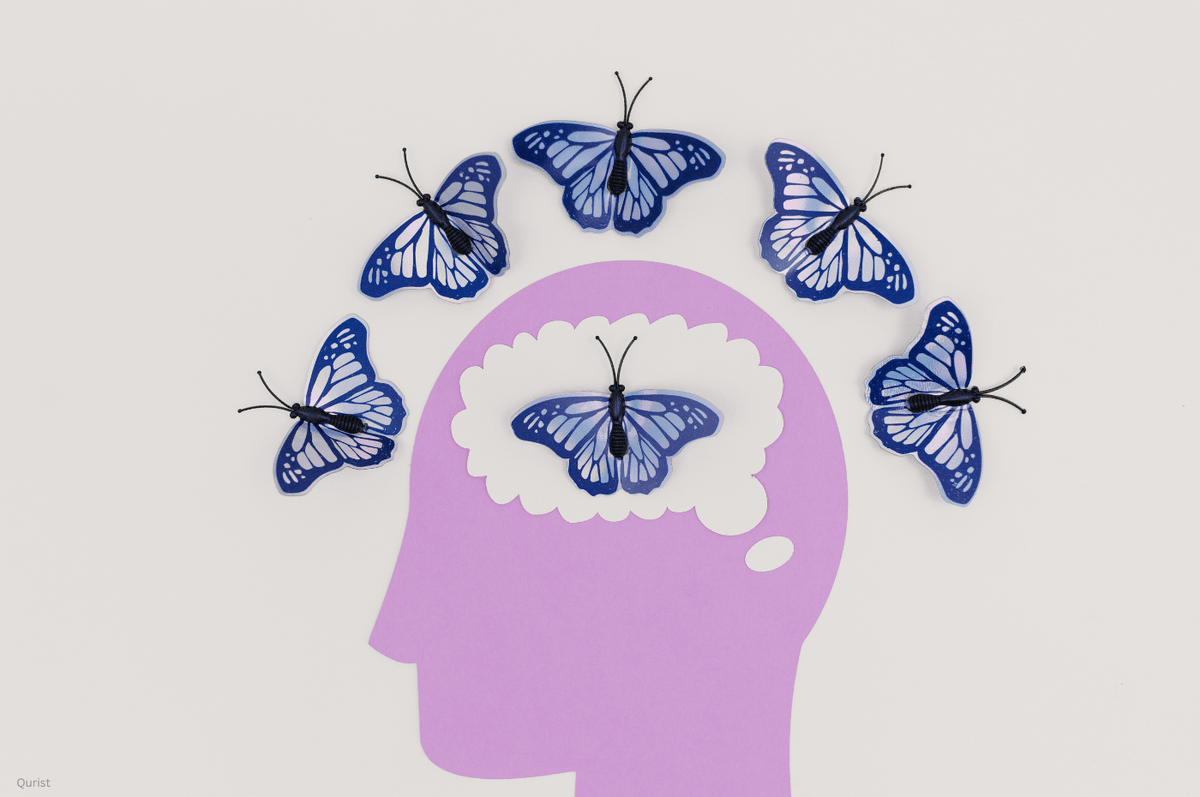
You walk into a room and forget why you're there. Someone's name sits frustratingly on the tip of your tongue. You read a page twice before realizing you absorbed nothing.
These "senior moments" are common and often harmless—but they can be unsettling. While some cognitive changes are normal with aging, significant decline isn't inevitable. Your brain has remarkable capacity for resilience and even growth throughout your lifetime. The key is giving it the right support.
Normal Aging vs. Cognitive Decline
Normal Age-related Changes:
-
Occasional word-finding problems
-
It takes longer to learn new material.
-
Occasional forgetfulness that does not affect daily life
-
Needing to concentrate harder on complex tasks/difficulty with multitasking.
Signs of Cognitive Decline:
-
Frequently forgetting recent discussions or incidents
-
Getting lost in well-known locations
-
Having trouble following recipes or handling money
-
Uncertainty regarding location or time
-
Changes in personality or poor judgement
Why Cognitive Decline Happens
Age-related cognitive changes are caused by a number of modifiable factors, including decreased blood flow to the brain, chronic inflammation that damages neurons, shrinkage of important memory regions like the hippocampus, a decline in neurotransmitter levels that support attention, learning, and alertness, oxidative stress from free radicals, hormonal changes, and lifestyle factors like poor diet, inactivity, chronic stress, social isolation, and insufficient sleep.
The encouraging news? You can address most of these through natural approaches.
Natural Neuroprotective Strategies
1. Feed Your Brain
Your brain consumes 20% of your body's energy despite being only 2% of your body weight. The MIND Diet (Mediterranean-DASH Intervention for Neurodegenerative Delay) has been specifically researched for brain health:
Eat More: Leafy greens, berries (especially blueberries), nuts (especially walnuts), fatty fish (salmon, sardines), extra virgin olive oil, whole grains, beans and legumes
Eat Less: Processed foods, red meat, butter, cheese, fried foods, and sweets
2. Move Your Body, Sharpen Your Mind
Exercise is possibly the most effective intervention for brain health. It boosts blood flow to the brain, encourages new neurone development, secretes protective growth factors, decreases inflammation, and enhances sleep.
Aim for 150 minutes of moderate aerobic activity each week (brisk walking, swimming, or cycling), as well as weekly strength training. Even 30-minute regular walks have considerable cognitive benefits.
3. Challenge Your Brain
Neuroplasticity, or your brain's ability to make new connections, persists throughout life. Keep your mind sharp by learning new talents (instruments, languages, crafts), playing strategy games (chess, bridge, puzzles), reading different material, enrolling in classes, and attempting new activities.
The goal is to avoid repeating familiar tasks and instead focus on novelty and difficulty.
4. Prioritize Quality Sleep
During sleep, your brain clears metabolic waste, including proteins associated with Alzheimer's disease. Chronic poor sleep accelerates cognitive decline. Aim for 7-9 hours nightly with good sleep hygiene.
5. Manage Stress
Chronic stress floods your brain with cortisol, damaging the hippocampus (memory center) and impairing new neuron formation. Effective stress management includes meditation, yoga, deep breathing, time in nature, and engaging in enjoyable activities.
6. Stay Socially Connected
Social isolation is a significant risk factor for cognitive decline. Meaningful engagement stimulates multiple cognitive domains simultaneously. Join clubs, volunteer, maintain friendships, participate in community activities, or adopt a pet.
7. Protect Your Heart
What's good for your heart is good for your brain. Control blood pressure and cholesterol, manage diabetes, don't smoke, and limit alcohol. Cardiovascular disease significantly increases dementia risk.
Neuroprotective Supplements
While food should be your primary nutrient source, certain supplements show promise:
- Omega-3 Fatty Acids: DHA and EPA support brain structure and function. Fish oil supplements benefit those who don't eat fatty fish regularly.
- B Vitamins: B6, B12, and folate support neurotransmitter production. Deficiencies are common in seniors.
- Vitamin D: Low levels are linked to cognitive impairment. Many seniors are deficient.
- Curcumin: The active compound in turmeric has anti-inflammatory and antioxidant properties.
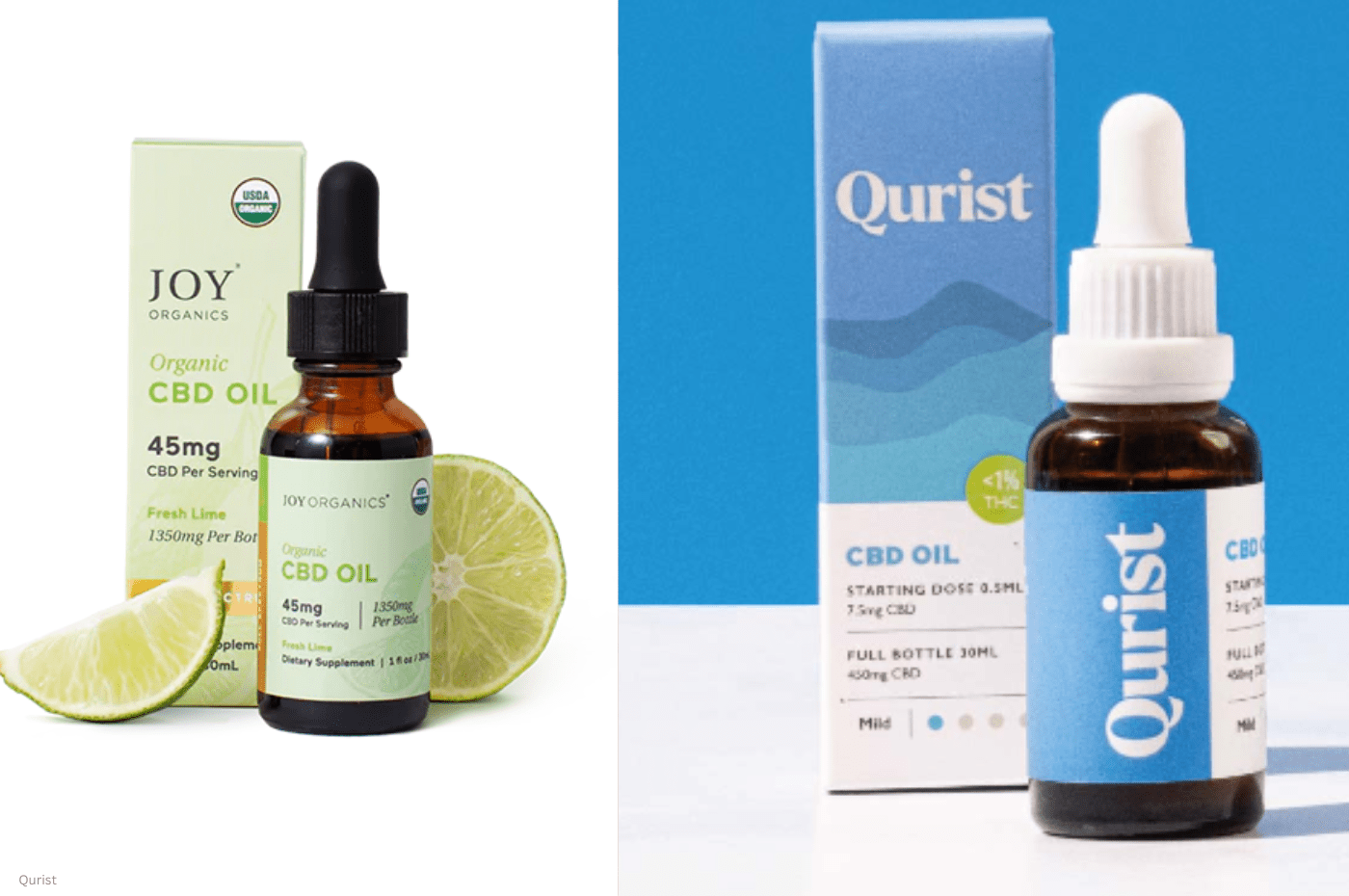
- CBD Oil: Emerging research suggests CBD may offer neuroprotective benefits through multiple mechanisms — reducing neuroinflammation, providing antioxidant effects, supporting stress management, and promoting overall brain health. By addressing inflammation and supporting wellness, CBD offers a natural approach to cognitive health.
Always consult your healthcare provider before starting supplements, especially if you take medications.
Addressing Brain Fog
That frustrating mental cloudiness is common but not inevitable. Contributors include poor sleep, chronic stress, nutritional deficiencies (B12, vitamin D, iron), dehydration, medication side effects, hormonal changes, chronic inflammation, and sedentary lifestyle.
Addressing these factors systematically often lifts the fog. Start with sleep, hydration, and movement, then address other factors as needed.
The Power of Purpose
Research shows that having a sense of purpose—feeling your life has meaning and direction—is strongly protective against cognitive decline. Whether through volunteering, mentoring, creative pursuits, spiritual practice, or family involvement, cultivating purpose may be as important as any other intervention.
Creating Your Cognitive Health Plan
-
Assess your current habits: What's working? What needs attention?
-
Start with one or two changes: Perhaps daily walks and more leafy greens
-
Make it enjoyable: You'll sustain habits you enjoy
-
Track your progress: Note energy, mental clarity, and mood
-
Be patient: Benefits accumulate over months, not days
-
Stay curious: Approach aging as opportunity for continued growth
The Bottom Line
While some cognitive slowing is natural with age, significant decline is not inevitable. With the right support—nutritious food, regular exercise, good sleep, stress control, social connection, and targeted natural supplements—the brain can continue to adapt and stay strong. Caring for your mind now helps protect your memories, independence, and quality of life for years to come.
About Qurist
At Qurist, we believe cognitive health is fundamental to aging well. Maintaining mental clarity, memory, and sharpness shouldn't require choosing between doing nothing or pharmaceuticals with concerning side effects.
CBD and Cognitive Wellness
Emerging research into CBD's neuroprotective properties is revealing exciting possibilities:
-
Anti-inflammatory Action: CBD's natural properties may help protect brain cells from neuroinflammation
-
Antioxidant Effects: Combats oxidative stress that accelerates brain aging
-
Stress Management: Supports a calmer nervous system, managing the chronic stress that impairs memory
-
Sleep Quality: Since sleep is when your brain clears metabolic waste, better sleep supports cognitive health
-
Mental Clarity: Many seniors report reduced brain fog and improved focus with Qurist CBD oil
Why Qurist for Cognitive Support
- Research-Backed Quality: We formulate our products to deliver optimal neuroprotective benefits based on emerging research.
- Purity Matters: Rigorous third-party testing ensure pure, potent CBD without contaminants.
- Comprehensive Approach: Our CBD oils support multiple factors affecting cognition—inflammation, sleep, stress, and overall wellness.
- Consistent Results: Reliable potency and absorption mean you can depend on Qurist as part of your daily cognitive health routine.
- Educational Commitment: We provide evidence-based information about CBD's potential cognitive benefits and how it fits into a holistic brain health strategy.
Many seniors using Qurist CBD oil report feeling mentally sharper, experiencing less brain fog, managing stress more effectively, and maintaining better focus—all contributing to preserving cognitive vitality.
Ready to support your cognitive health naturally? Visit our website to learn how Qurist CBD oil can become part of your comprehensive brain health strategy.
Disclaimer: This content is for informational purposes only and not medical advice. CBD products are not intended to diagnose, treat, cure, or prevent any disease. Always consult your healthcare provider before starting any new supplement.


Leave a comment
All comments are moderated before being published.
This site is protected by hCaptcha and the hCaptcha Privacy Policy and Terms of Service apply.