


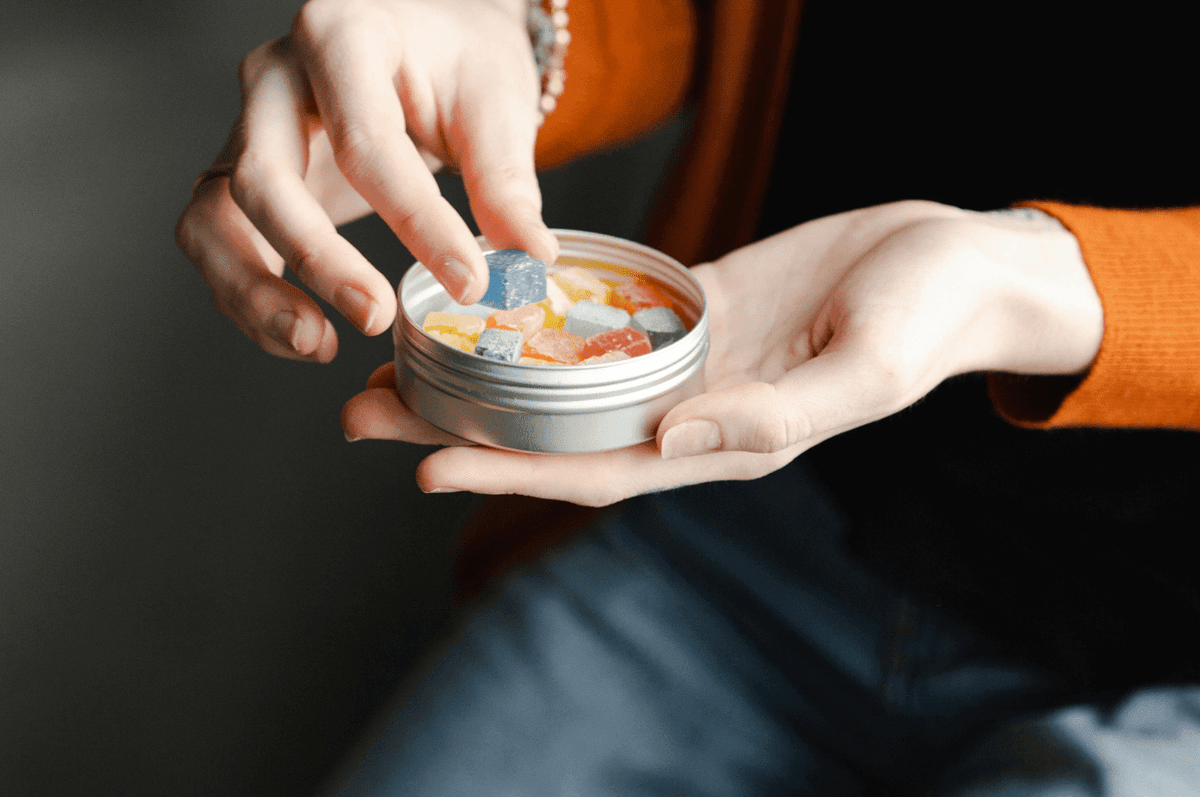
The popularity of cannabis-based products has skyrocketed in recent years, and among them, gummies infused with cannabinoids like CBD (cannabidiol) and THC (tetrahydrocannabinol) are especially well-loved. But for anyone new to the world of cannabis, understanding the difference between CBD gummies and THC gummies is essential.
What Are CBD Gummies?
CBD gummies are edible treats infused with CBD, a nonpsychoactive compound found in the cannabis plant, primarily derived from hemp. Manufacturers typically start with a cannabis oil extract, which is then precisely dosed into each gummy. Because CBD doesn’t produce the high associated with marijuana, it’s often used to promote relaxation, ease discomfort, and support overall wellness without impairing mental clarity.
CBD gummies come in various shapes, flavours, and potencies. Sleep gummies are one type of cannabinoid gummy marketed for nighttime use, while other formulations may be designed for general wellness or relaxation. These gummies are popular for their convenience, precise dosing, and familiar format. Many brands offer gummies in two main types:
- Full-Spectrum CBD Gummies: These contain the full range of cannabinoids, including trace amounts of THC (up to 0.3%), terpenes, and flavonoids.
- Broad-Spectrum CBD Gummies: These contain CBD and other cannabinoids but no detectable THC, making them an option for those looking to avoid THC entirely.
Benefits of CBD Gummies
- Non-Psychoactive: Since CBD is nonintoxicating, you can consume CBD gummies any time without worrying about feeling high.
- Convenient Dosage: Each gummy contains a specific dose, making it easy to track and adjust your intake.
- Potential Health Benefits: CBD is thought to help with relaxation, mild pain relief, and even stress and anxiety.
Many people use CBD sleep gummies daily to support overall wellness, help with relaxation, and ease minor discomforts. In India, however, CBD is strictly regulated, and products are only available with a medical prescription for specific health conditions.
What Are THC Gummies?
THC gummies, on the other hand, contain THC, the main psychoactive component in cannabis. THC is responsible for the high sensation often associated with marijuana use. In edible form, THC is metabolized in the liver, which produces a longer-lasting and sometimes stronger effect than smoking or vaping.
THC gummies come in a range of strengths, and they can produce a variety of effects depending on dosage. Because THC is a psychoactive substance, THC gummies are typically used for recreational purposes or, in some cases, for medical conditions where pain relief or appetite stimulation is needed.
Benefits of THC Gummies
- Recreational Effects: THC provides a euphoric feeling and altered sensory perception, often sought after for relaxation.
- Long-Lasting Relief: When ingested, THC offers sustained effects that can last for several hours.
- Precise Dosing: Gummies offer a controlled dosage, ideal for people who want to avoid smoking or vaping.
In countries where THC is legal, it’s typically available through licensed dispensaries. In India, THC is illegal for recreational use, and its medical use is highly restricted.
CBD vs. THC: Differences Between the Gummies
|
Features |
CBD Gummies |
THC Gummies |
|
Psychoactive Effects |
None |
Yes, it has psychoactive effects |
|
Primary Uses |
Wellness, stress relief, mild pain |
Recreation, intense pain, sleep |
|
Legality in India |
Only legal with a prescription |
Not legal for recreational use |
|
Side Effects |
Minimal (drowsiness, dry mouth) |
Dry mouth, red eyes, memory issues |
|
Duration of Effects |
Moderate |
Long-lasting |
|
Dosage Recommendation |
Daily wellness, relaxation |
Occasional use, recreational or medical purposes mainly |
Medical Benefits of CBD Gummies vs THC Gummies
Benefits of CBD Gummies
- Anxiety Relief: Many people find CBD gummies calming and helpful in managing stress — the same benefit people are chasing when they search for the best CBD oil for anxiety; the mechanism is the same, only the delivery format differs.
- Pain Relief: CBD is commonly used for mild to moderate pain relief. CBD capsules (sometimes searched as CBD pills for pain) offer a similar, flavourless alternative for people who prefer not to take gummies.
- Better Sleep: Some people use CBD gummies for improved sleep quality.
- Anti-Inflammatory: CBD is believed to have anti-inflammatory effects, though more research is needed.
Benefits of THC Gummies
- Pain Relief: THC is highly effective for stronger pain relief, making it suitable for chronic conditions.
- Appetite Stimulation: Known as the munchies, THC often increases appetite, which is helpful for people with certain health conditions.
- Nausea Relief: THC is used in some medical treatments to reduce nausea, particularly in chemotherapy patients.
How Do CBD and THC Gummies Make You Feel?
CBD Gummies: Taking CBD gummies generally leads to a sense of relaxation and calm without an altered state of mind. Users often describe feeling less stressed and more balanced. For some, it may help with minor aches or sleep issues.
THC Gummies: THC gummies, on the other hand, cause a euphoric high that affects perception, mood, and sometimes cognition. Depending on the dosage and personal tolerance, THC can create a sense of relaxation, heighten sensory experiences, and promote feelings of happiness.
Potential Side Effects of CBD & THC
While both CBD and THC are generally considered safe, they can produce side effects:
CBD Gummies Side Effects:
- Drowsiness
- Dry mouth
- Lightheadedness
- Changes in appetite
THC Gummies Side Effects:
- Dry mouth and red eyes
- Memory impairment
- Slower reaction time
- Potential for anxiety or paranoia
Legality of CBD and THC Gummies in India
In India, cannabis laws are strict, and both CBD and THC are regulated under the Narcotic Drugs and Psychotropic Substances Act. Here’s a quick overview:
- CBD Gummies: Legal only when derived from hemp with less than 0.3% THC and available via medical prescription. Licensed medical professionals can prescribe CBD for specific conditions, including certain types of epilepsy.
- THC Gummies: Recreational THC remains illegal in India. While some ayurvedic practices use cannabis extracts, THC-based products for recreational purposes are prohibited. Medical THC is only allowed in highly controlled environments for certain patients.
Read more: Are cbd Gummies legal in India
Choosing Between CBD and THC Gummies: What to Consider
The right choice depends on your needs, preferences, and local laws:
- For Relaxation and Wellness: CBD gummies are ideal for daily wellness routines without psychoactive effects, making them suitable for regular use.
- For Pain and Discomfort: Both CBD and THC can help, but CBD is typically better for mild to moderate discomfort, while THC may be more effective for severe pain.
- For Recreational Use: THC gummies provide a psychoactive experience but are only legal in select regions for recreational use. This makes them more accessible outside of India.
- For Sleep Support: THC may offer stronger sedative effects, while CBD can promote relaxation without intense sedation. People looking for a supplement for good sleep may consider factors such as the severity of their sleep difficulties, desired effects, and professional guidance when evaluating these options.
- For Appetite Stimulation: THC is widely known for increasing appetite, while CBD generally does not have the same effect.
Tips for Safe Consumption
- Start Small: Especially for THC, it’s wise to start with a small dose (510 mg) and wait an hour or two before consuming more. If you are not into gummies, Qurist's pure cbd oil is another option for easiness.
- Check Product Labels: Look for the type of CBD or THC, dosage per gummy, and additional ingredients.
- Consider Setting: For THC, ensure you’re in a relaxed and safe environment, as its effects can last for several hours.
- Follow Local Laws: Ensure you understand the legality of CBD and THC products in your region, especially in India, where restrictions are in place.
How CBD and THC Affect Your Body
As reviewed in a comprehensive study of phytocannabinoid neurological benefits published on PMC (NCBI), the ECS consists of two key receptor types: CB1 receptors, concentrated in the brain and central nervous system, and CB2 receptors, found primarily in immune cells and peripheral tissues.
How THC Works
THC binds directly and strongly to CB1 receptors in the brain, particularly in areas governing pleasure, memory, movement, and sensory perception. This direct CB1 activation is what produces the high. It also engages CB2 receptors in peripheral tissues, contributing to its pain-relieving and anti-nausea effects.
How CBD Works
CBD does not bind directly to CB1 or CB2 receptors in the way THC does. Instead, it works indirectly by inhibiting FAAH, the enzyme that breaks down anandamide (the body's natural 'bliss molecule'), effectively raising endocannabinoid tone without triggering psychoactive effects. CBD also activates serotonin (5-HT1A) receptors, contributing to its anxiolytic properties, and TRPV1 receptors involved in pain signalling and inflammation.
What Does CBD Feel Like vs THC?
The subjective experience of CBD and THC is fundamentally different. The table below summarises how each compound typically feels at standard therapeutic doses:
|
Experience |
CBD |
THC |
|
Mental state |
Calm, clear-headed, no altered perception |
Euphoric, altered perception, possible cognitive effects |
|
Psychoactive high? |
No |
Yes |
|
Anxiety effect |
Typically reduces anxiety |
Low dose may reduce; high dose may trigger anxiety |
|
Pain perception |
Modulates pain, mild to moderate relief |
Stronger pain relief, particularly for severe or chronic pain |
|
Sleep effect |
May improve sleep onset and quality |
May cause sedation; reduces REM sleep at high doses |
|
Appetite |
Little to no effect |
Often increases appetite ('munchies') |
|
How quickly it works (gummies) |
45 to 90 minutes |
45 to 90 minutes |
|
Duration (gummies) |
4 to 6 hours |
6 to 8 hours |
|
Next-day effect |
Generally none |
Possible grogginess with high doses |
|
Suitable for daytime use? |
Yes, does not impair function |
Not recommended; impairs reaction time and cognition |
Individual responses to both compounds vary based on body weight, metabolism, tolerance, and whether products are taken on an empty stomach. Always start with the lowest recommended dose and observe your response before increasing.
Can You Take CBD and THC Gummies Together?
Yes, and there is emerging science to suggest that combining CBD and THC may produce better outcomes than either compound taken alone. This is known as the entourage effect, a concept first formally described by Dr. Ethan Russo in a landmark review published on PMC (NCBI), which proposed that cannabinoids and terpenes work synergistically to enhance each other's therapeutic effects.
A clinical review published on PubMed evaluating full-spectrum cannabis products for chronic pain found that CBD+THC combinations (as in Sativex, a 1:1 THC:CBD oromucosal spray) produced significantly greater pain relief than THC alone or placebo. The review attributes this to synergy between the two cannabinoids across overlapping pain pathways.
CBD is also believed to partially modulate THC's psychoactive effects by acting on CB1 receptors as a low-affinity modulator, potentially reducing anxiety and paranoia at higher THC doses in some individuals. The relationship is dose-dependent, and 'CBD cancels out THC' is an oversimplification. The interaction changes with ratio and individual metabolism.
What This Means in Practice
- A balanced CBD:THC ratio (such as 1:1 or 2:1 CBD:THC) is commonly used for pain, sleep, and relaxation, combining the anti-inflammatory and anxiolytic properties of CBD with the stronger analgesic and sedative effects of THC.
- CBD-dominant products (high CBD, low THC) are better suited for daytime use where mental clarity is important.
- THC-dominant products are typically used at night for severe pain, insomnia, or appetite support under medical supervision
Frequently Asked Questions
Which is better, CBD or THC?
Neither is universally 'better.' They serve different purposes. CBD is better suited for daily wellness use, anxiety, mild pain, and situations where mental clarity matters. THC is more effective for severe or chronic pain, chemotherapy-related nausea, and appetite stimulation.
What is the main difference between CBD and THC?
The primary difference is psychoactivity. THC binds directly to CB1 receptors in the brain, producing the euphoric high associated with cannabis. CBD does not bind to CB1 receptors directly, does not produce a high, and instead modulates the endocannabinoid system indirectly through multiple receptor pathways including 5-HT1A and TRPV1.
Is THC more effective than CBD for pain?
For severe or chronic pain, particularly neuropathic and cancer-related pain, THC is generally considered more potent due to its direct CB1 receptor activation, which suppresses pain signalling more strongly.
Does CBD make you feel different than THC?
Yes, significantly. CBD typically produces a calm, clear-headed sense of relaxation with no altered perception, no high, and no impairment. Most people feel a reduction in anxiety and tension, particularly with consistent use. THC produces a distinctly psychoactive experience: euphoria, altered sensory perception, and in some cases heightened anxiety at high doses.
Is CBD oil or THC oil better for sleep?
As with gummies, it depends on the severity of the sleep issue. CBD oil tends to promote relaxation and may improve sleep onset and quality without sedation, making it suitable for mild sleep difficulties tied to stress or anxiety. THC oil has a stronger sedative effect and is more commonly used for harder-to-manage insomnia, though it can reduce REM sleep at higher doses. A balanced CBD:THC oil (such as a 1:1 or 2:1 CBD:THC ratio) is commonly used for sleep support, pairing CBD's calming effect with THC's stronger sedation.
Does CBD or THC oil work faster for sleep than gummies?
Generally, yes. Oil taken sublingually (under the tongue) is absorbed more directly into the bloodstream and tends to take effect faster than gummies, which must first be digested. Gummies typically take 45 to 90 minutes to work, while sublingual oil can act more quickly, though exact onset still varies with individual metabolism and whether it's taken on an empty stomach. For sleep specifically, faster onset can make it easier to time a dose close to bedtime.



Leave a comment
All comments are moderated before being published.
This site is protected by hCaptcha and the hCaptcha Privacy Policy and Terms of Service apply.