


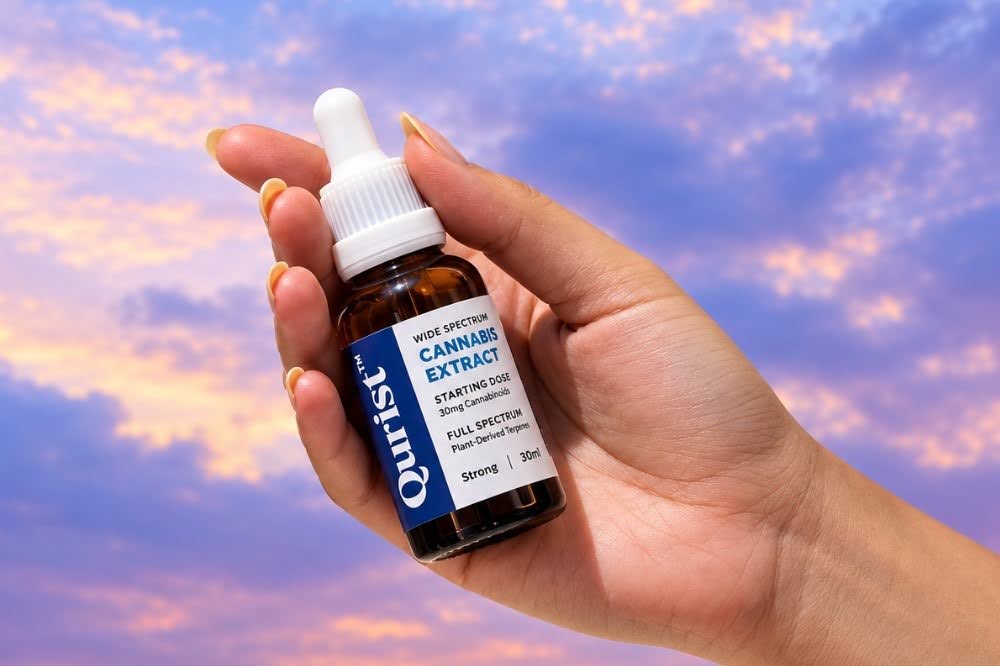
Watching someone you care about struggle to eat, lose weight through treatment, and spend days nauseated after each chemotherapy cycle is one of the hardest parts of being a caregiver. You want to help, and the standard anti-nausea medications do not always work well enough. Cannabinoid-based support is one option that an increasing number of oncology teams are open to discussing. Here is what the research says, what it does not say, and how to approach the conversation with your loved one's medical team.
What Causes Chemotherapy-Induced Nausea and Appetite Loss
Chemotherapy drugs damage rapidly dividing cells, which includes both cancer cells and healthy cells in the gut lining. The damage triggers the release of serotonin from enterochromaffin cells in the intestine, which activates the vomiting centre in the brain. Chemotherapy also affects the chemoreceptor trigger zone, a brain area that detects toxins in the blood and initiates nausea.
Appetite loss during chemotherapy is driven by multiple factors: the nausea itself, changes in taste and smell, inflammation in the gut, fatigue, and the emotional burden of treatment. For many patients, the inability to eat enough becomes a serious clinical concern because adequate nutrition supports treatment tolerance and recovery.
What the Research Says About Cannabinoids for CINV
Chemotherapy-induced nausea and vomiting (CINV) is one of the most studied medical applications of cannabinoids.
A systematic review and meta-analysis published in JAMA (Whiting et al., 2015) analysed randomised clinical trials from 28 databases and found evidence supporting the use of cannabinoids for CINV, with cannabinoid-treated patients more likely to experience complete absence of nausea and vomiting compared to placebo.
A more recent systematic review and meta-analysis published in Supportive Care in Cancer (PMC, 2025) evaluated cannabinoids specifically for CINV prophylaxis and confirmed their efficacy across multiple endpoints, noting that THC-containing formulations showed antiemetic effects than CBD alone.
An important distinction: THC (tetrahydrocannabinol) is the primary compound responsible for anti-nausea and appetite-stimulating effects. CBD (cannabidiol) contributes anti-inflammatory and anxiolytic support but is less effective on its own for nausea. Full-spectrum products containing both CBD and THC are more aligned with the clinical evidence for CINV than CBD isolate products.
How Cannabinoids Reduce Nausea and Stimulate Appetite
Cannabinoids interact with the endocannabinoid system (ECS), a receptor network present throughout the body, including the gut and brain. CB1 receptors in the brain's vomiting centre play a role in suppressing the nausea signal. THC activates these receptors directly, which is why it has antiemetic effects.
For appetite, THC stimulates CB1 receptors in the hypothalamus, the brain region that regulates hunger. The WHO Expert Committee on Drug Dependence (2018) confirmed that CBD itself is well tolerated and does not produce dependence, while noting that THC produces its therapeutic effects through direct receptor activation.
CBD's role in this context is primarily supportive: it may reduce the anxiety, sleep disruption, and inflammatory burden that accompany chemotherapy, creating a better foundation for appetite to return.
How to Raise the Topic with Your Oncology Team
Many caregivers feel unsure about bringing up cannabis-based products with an oncologist. Here is a practical approach.
Frame it as a question about symptom management, not an alternative to treatment. Something like: "The current anti-nausea medication is helping, but nausea and appetite are still a significant issue. We have read about cannabinoid-based support for chemo side effects. Would that be worth considering alongside the current regimen?"
Be specific about the product. Showing your oncologist a product with declared cannabinoid content, third-party lab testing, and a clear formulation is very different from mentioning "cannabis" generally. Oncologists are more receptive when they can evaluate a specific product's composition and dosing.
Ask about drug interactions. Cannabinoids are metabolised by liver enzymes (CYP450), the same pathway used by many chemotherapy drugs. Your oncology team needs to assess potential interactions with your loved one's specific treatment protocol.
What Cannabinoid Products May Be Appropriate
Product selection should always be guided by the oncology team. As a reference, Qurist offers AYUSH-licensed, NABL third-party tested formulations designed for severe conditions, including cancer symptom management.
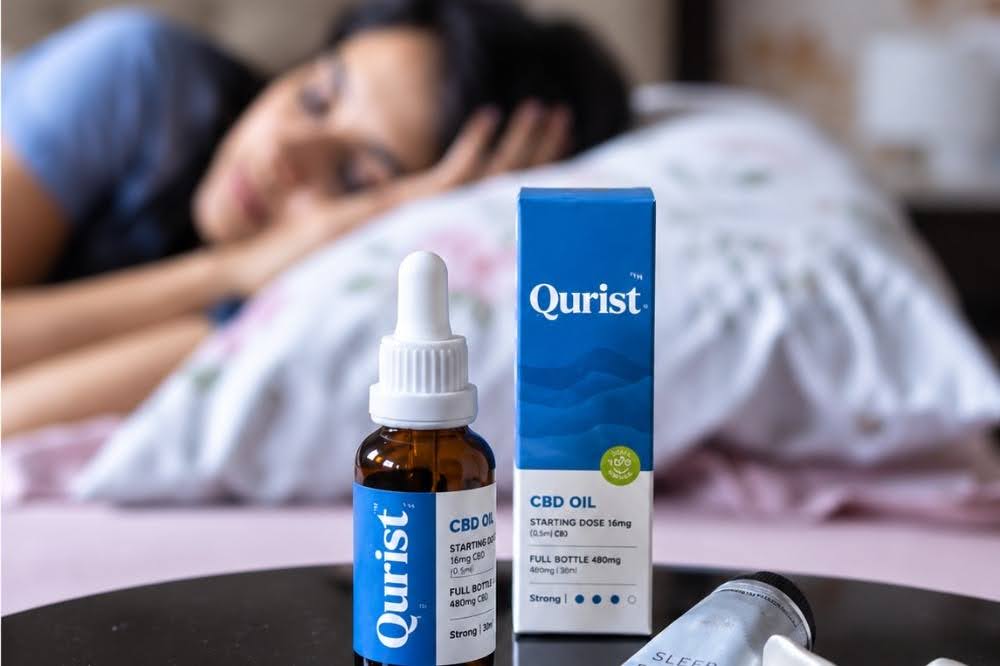
Full-spectrum CBD+THC Oil combines both cannabinoids for the entourage effect, supporting nausea reduction, appetite, sleep, and mood. For patients also dealing with treatment-related pain, pain relief capsules with 50 mg active cannabinoids per pill in a 1:1 CBD to THC ratio are formulated for severe conditions including chemotherapy pain. CBD Oil provides a non-intoxicating option for milder anxiety and sleep support when THC is not appropriate.
Declared THC content in these products is approved by the Ministry of AYUSH. All formulations use CO2 extraction, winterisation, multiple distillation rounds, and HPLC purification.
What CBD and THC Cannot Do?
Cannabinoid products do not treat cancer. They do not replace chemotherapy, radiation, or any oncology-prescribed treatment. Their role is strictly supportive: managing the side effects that make treatment harder to endure. Any product or person claiming that cannabis cures cancer is not credible.
Cannabinoid-based support also does not work for everyone. Responses vary individually, and some patients may experience side effects including dizziness, drowsiness, or changes in mood. Close communication with the medical team is essential throughout.
Book a Free Consultation for CBD Support in Your Cancer Treatment
Symptom management during chemotherapy requires careful coordination. Qurist offers free consultations with experienced practitioners who can help you and your loved one's medical team understand whether cannabinoid-based support is appropriate for their specific situation.
Disclaimer: This blog is for educational and informational purposes only and is not intended to provide medical advice, diagnosis, or treatment. Qurist does not claim that its products diagnose, treat, cure, or prevent any medical condition. Our products are intended to complement, not replace, appropriate medical care. Consult a qualified healthcare professional before using any product, especially if you take blood thinners, anti-epileptic medicines, or other liver-metabolised medicines, or if you have an existing medical condition. Individual responses may vary.
Frequently Asked Questions
Does CBD oil help with chemo nausea?
THC is the primary cannabinoid with antiemetic (anti-nausea) effects, working through CB1 receptors in the brain's vomiting centre. CBD alone is less effective for nausea but contributes anti-anxiety and anti-inflammatory support. Full-spectrum products containing both CBD and THC are more closely aligned with the clinical evidence for chemo-induced nausea.
Can cannabis products help a cancer patient eat more?
THC stimulates appetite through CB1 receptors in the hypothalamus. The JAMA systematic review (Whiting et al., 2015) included appetite stimulation as one of the areas where cannabinoids showed evidence of benefit. A full-spectrum CBD+THC oil may support appetite alongside other measures like smaller, more frequent meals and nutritional supplements.
Is it safe to use CBD during chemotherapy?
CBD and THC are metabolised by liver enzymes (CYP450) that also process many chemotherapy drugs. Potential interactions depend on the specific chemo protocol. Always discuss with your oncologist before starting. Some oncology teams are comfortable integrating cannabinoid support; others may recommend waiting until between treatment cycles.
How do I give CBD oil to someone who is nauseated?
Sublingual oil (held under the tongue) is often the most practical option for nauseated patients because it does not require swallowing a capsule or chewing a gummy. A small dose of CBD+THC Oil held under the tongue for 60 to 90 seconds absorbs through the mucous membrane, bypassing the stomach.
Will CBD or THC make a cancer patient high?
At therapeutic doses, the psychoactive effect of THC is mild: most patients describe gentle relaxation rather than a "high".Medical cannabis is started in low doses and titrated as per response under medical supervision. Dosing can be adjusted to find the balance between symptom relief and comfort.
Can CBD replace anti-nausea medication during chemo?
No. Cannabinoid-based support should complement, not replace, prescribed anti-nausea medication. Standard antiemetics (ondansetron, granisetron, dexamethasone) remain first-line for CINV. Cannabinoid support is most commonly considered when standard medications provide insufficient relief.
Is Qurist CBD+THC Oil legal for cancer patients in India?
Yes. All Qurist products are 100% Indian Government licensed under the AYUSH Department. THC content is declared and approved by the Ministry of AYUSH. A free consultation can help determine the right product and dosage for your situation.


Leave a comment
All comments are moderated before being published.
This site is protected by hCaptcha and the hCaptcha Privacy Policy and Terms of Service apply.