


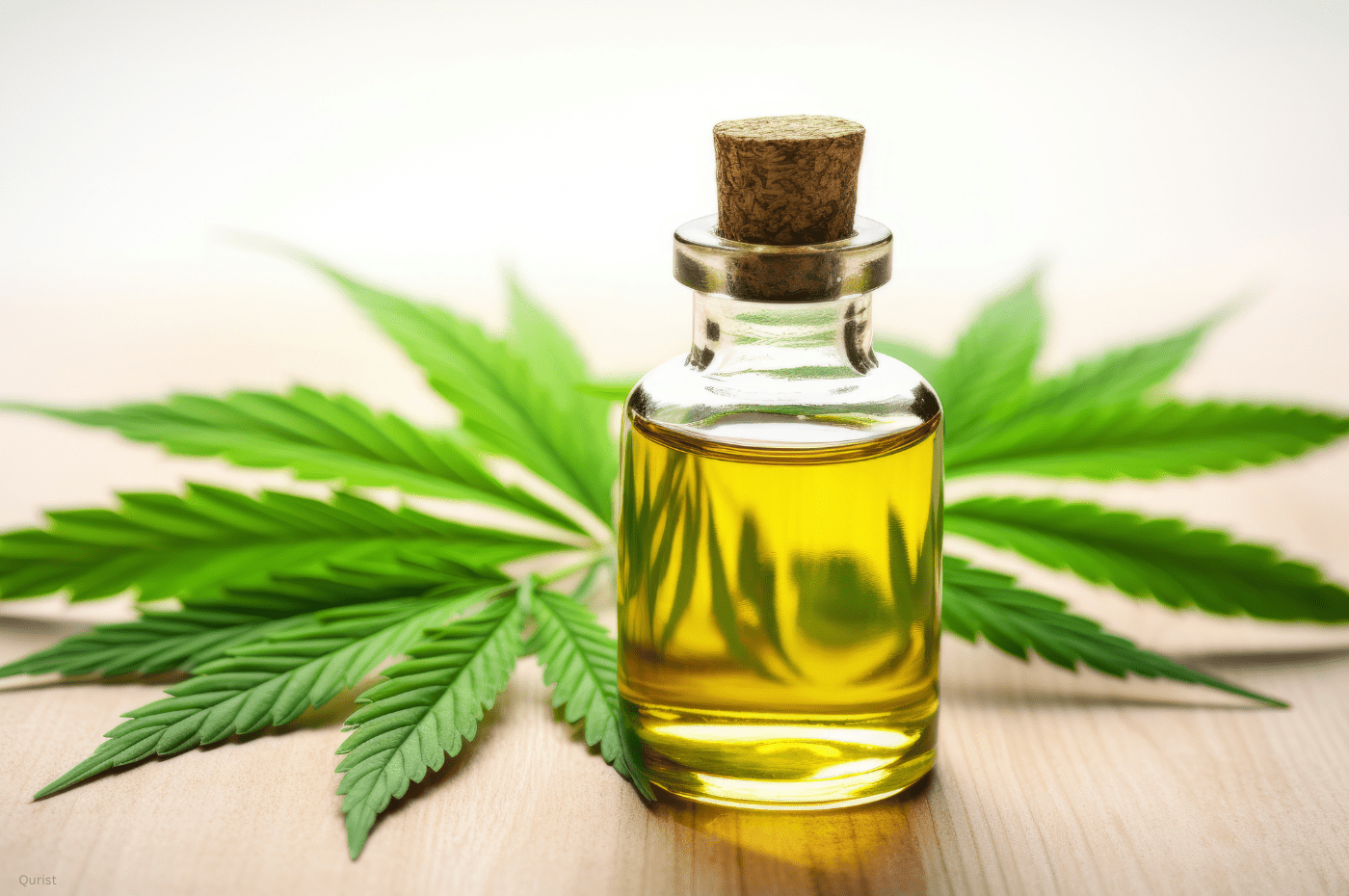
Living with multiple sclerosis (MS) can be a daily challenge, especially when it comes to managing chronic pain, muscle spasms, and inflammation. While traditional treatments like disease-modifying therapies (DMTs) and pain medications play a crucial role, many people with MS are turning to cannabidiol (CBD) as a complementary option for relief.
CBD, a non-psychoactive compound found in cannabis, has gained attention for its potential to ease MS symptoms without the "high" associated with THC. But does it really work? And how can you use it safely?
Understanding MS Pain: Why It Happens
Multiple sclerosis is an autoimmune disease where the immune system mistakenly attacks the protective myelin sheath around nerve fibers. This leads to inflammation, nerve damage, and disrupted communication between the brain and body. Common symptoms include:
- Neuropathic pain (burning, tingling, or electric shock-like sensations)
- Muscle spasticity (stiffness, involuntary spasms)
- Chronic fatigue
- Bladder dysfunction
Conventional treatments, such as muscle relaxants and opioids, can have side effects like drowsiness, dependency, and digestive issues. This has led many to explore CBD as a gentler alternative.
How CBD May Help with MS Pain
1. Reduces Neuroinflammation
One of the key drivers of MS progression is inflammation in the brain and spinal cord. CBD has been shown to lower inflammatory markers like TNF-α, IL-6, and IFN-γ, which contribute to nerve damage. By calming this inflammation, CBD may help slow disease progression and reduce flare-ups.
2. Alleviates Nerve Pain
Studies suggest CBD interacts with the body’s endocannabinoid system (ECS), which regulates pain perception.
3. Eases Muscle Spasticity
Muscle stiffness and spasms are among the most debilitating MS symptoms. Research indicates that CBD, especially when combined with THC, can significantly reduce spasticity.
4. Improves Sleep and Fatigue
Poor sleep worsens MS symptoms, and CBD may help by reducing pain and promoting relaxation. Better sleep can, in turn, lessen fatigue—a major issue for MS patients.
Safety & Side Effects
CBD is generally well-tolerated, but some may experience:
- Dry mouth
- Fatigue
- Diarrhea
- Changes in appetite
Important Considerations:
-
Drug Interactions: CBD can affect blood thinners, antidepressants, and some seizure medications. Always consult your doctor first.
-
Quality Matters: Look for third-party tested, pure CBD to avoid contaminants.
-
THC Content: Full-spectrum products contain trace THC, which may show up on drug tests. Opt for broad-spectrum or isolate if this is a concern.
About Qurist, One of India’s most trusted medical cannabis brands
Qurist, with its transparent, Indian-made CBD products, offers a credible option for those seeking gentle, plant-based tools to navigate long-term discomfort, always as part of a mindful, medically guided plan.
Qurist offers a wide range of products, one of them being their CBD Oil providing everyday relief for our minds and bodies. These are:
- 100% natural
- Preservative-free
- Non habit-forming
Final Thoughts: Is CBD Right for You?
While CBD isn’t a cure for MS, it offers a promising way to manage pain, spasticity, and inflammation naturally. If you’re considering CBD:
✔ Talk to your doctor—especially if you’re on other meds.
✔ Choose high-quality, lab-tested products (avoid cheap, unverified brands).
✔ Start slow and monitor your symptoms.
The future of CBD in MS treatment looks bright, with ongoing research exploring its long-term benefits. For now, it remains a valuable tool in the MS toolkit—helping many reclaim comfort and quality of life.
Have you tried CBD for MS pain? Share your experiences in the comments!
(Always talk to a medical expert before starting CBD— Book a free consultation today!)



Leave a comment
All comments are moderated before being published.
This site is protected by hCaptcha and the hCaptcha Privacy Policy and Terms of Service apply.