


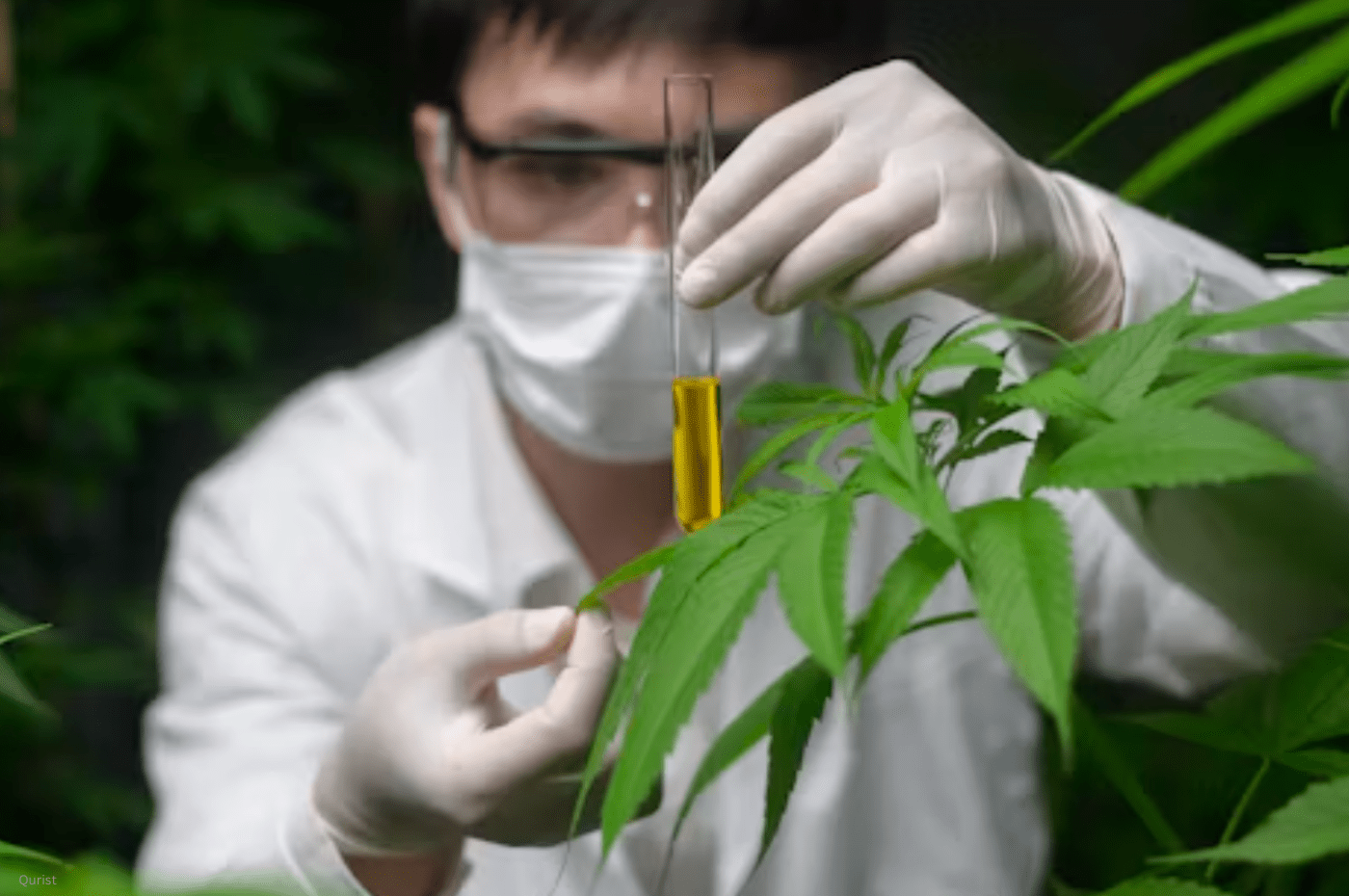
CBD (Cannabidiol) has gained widespread popularity for wellness applications, but its potential to interact with medications remains a critical safety concern. Understanding CBD drug interactions is essential for anyone considering CBD use, especially those taking prescription medications. This comprehensive guide explores what medications CBD interacts with and provides essential safety information.
Understanding CBD Drug Interactions
How CBD Affects Medication Processing
CBD interacts with medications through the liver's cytochrome P450 (CYP450) enzyme system, particularly CYP3A4 and CYP2D6 enzymes. These same enzymes metabolize approximately 60% of all prescription drugs, creating potential conflicts when CBD and medications compete for the same processing pathways.
Enzyme Inhibition: CBD can slow down these enzymes, potentially causing medications to remain in the bloodstream longer and at higher concentrations than intended.
Increased Side Effects: When medications aren't broken down normally, users may experience enhanced or prolonged drug effects, potentially leading to toxicity.
The Grapefruit Test
A simple way to identify potential CBD interactions is checking for grapefruit warnings on medication labels. Grapefruit affects the same CYP3A4 enzyme that CBD influences, making any medication with a grapefruit warning a potential candidate for CBD interaction. (https://www.healthline.com/health/cbd-and-drug-interactions-what-you-need-to-know )
High-Risk CBD Drug Interactions
Blood Thinners and Anticoagulants
Medications: Warfarin, apixaban, rivaroxaban, dabigatran, heparin
Risk Level: Very High
Potential Effects: CBD may increase bleeding risk by prolonging the effects of blood-thinning medications. This can lead to dangerous bleeding episodes, prolonged wound healing, and increased risk of internal bleeding.
Monitoring Required: Regular blood tests (INR for warfarin), close observation for unusual bleeding or bruising.
Seizure Medications
Medications: Phenytoin, carbamazepine, valproic acid, lamotrigine, levetiracetam
Risk Level: Very High
Potential Effects: CBD can significantly alter seizure medication levels, potentially reducing seizure control or increasing medication toxicity. Some interactions may require significant dose adjustments.
Special Considerations: Ironically, while CBD itself has anti-seizure properties, its interaction with seizure medications requires careful medical management.
Heart Medications
Medications: Digoxin, amiodarone, quinidine, beta-blockers (metoprolol, atenolol)
Risk Level: High
Potential Effects: Altered heart rhythm, changes in heart rate, blood pressure fluctuations, and potential cardiac complications.
Monitoring: Regular ECGs, blood pressure checks, and heart rate monitoring.
Moderate-Risk Interactions
Anxiety and Sleep Medications
Benzodiazepines: Alprazolam (Xanax), lorazepam (Ativan), clonazepam (Klonopin), diazepam (Valium)
Risk Level: Moderate to High
Potential Effects: Enhanced sedation, prolonged drowsiness, increased impairment, potential respiratory depression in extreme cases.
Sleep Aids: Zolpidem, eszopiclone, diphenhydramine may have enhanced sedative effects.
Antidepressants
SSRIs: Fluoxetine, sertraline, escitalopram, paroxetine
SNRIs: Venlafaxine, duloxetine
Tricyclics: Amitriptyline, nortriptyline
Risk Level: Moderate
Potential Effects: Altered medication effectiveness, changes in side effect profiles, potential serotonin-related effects.
Pain Medications
Opioids: Oxycodone, morphine, fentanyl, tramadol
Risk Level: Moderate
Potential Effects: Enhanced sedation, altered pain relief effectiveness, increased side effects including nausea and constipation.
Blood Pressure Medications
ACE Inhibitors: Lisinopril, enalapril, captopril
Calcium Channel Blockers: Amlodipine, nifedipine, verapamil
Risk Level: Moderate
Potential Effects: Blood pressure fluctuations, dizziness, potential hypotension.
Additional Medication Interactions
Comprehensive CBD Drug Interactions List
|
Medication Category |
Examples |
Risk Level |
Primary Concerns |
|
Immunosuppressants |
Cyclosporine, tacrolimus |
High |
Altered immune function |
|
Diabetes Medications |
Insulin, metformin |
Moderate |
Blood sugar changes |
|
Thyroid Medications |
Levothyroxine, methimazole |
Moderate |
Hormone level changes |
|
Cholesterol Drugs |
Atorvastatin, simvastatin |
Moderate |
Muscle toxicity risk |
|
Acid Reflux Medications |
Omeprazole, lansoprazole |
Low-Moderate |
Altered absorption |
|
Antibiotics |
Clarithromycin, erythromycin |
Moderate |
Enhanced effects |
References
Immunosuppressants (Cyclosporine, Tacrolimus)
-
Cannabis–Drug Interactions: A Scoping Review of Case Reports.
PMC
-
Clinical Overview: Cannabis May Interact with Prescription Medications.
Pharmacy Times
- A Pharmacist’s Guide to Cannabis–Drug Interactions.
Morris & Dickson - Diabetes Medications (Insulin, Metformin)
- Drug Interactions with Cannabis.
Cannabis Clinicians
Thyroid Medications (Levothyroxine, Methimazole)
- Drug Interactions with Cannabis.
Cannabis Clinicians - Cholesterol Drugs (Atorvastatin, Simvastatin)
- Cannabidiol Interactions with Medications: A Comprehensive Review.
PMC - Medical Cannabis Adverse Effects and Drug Interactions.
DC DOH
Acid Reflux Medications (Omeprazole, Lansoprazole)
-
Cannabidiol Interactions with Medications: A Comprehensive Review.
- Drug Interactions Between Cannabis or CBD and Conventional Medications.
InhaleMD - Medical Cannabis Adverse Effects and Drug Interactions.
DC DOH
Antibiotics (Clarithromycin, Erythromycin)
- Cannabidiol Interactions with Medications: A Comprehensive Review. PMC
- Medical Cannabis Adverse Effects and Drug Interactions.
DC DOH
Over-the-Counter and Supplement Interactions
NSAIDs: Ibuprofen, naproxen may have altered effects with chronic CBD use.
Acetaminophen: Potential for increased liver stress when combined with CBD.
Herbal Supplements: St. John's Wort, ginkgo biloba, and kava may interact through shared metabolic pathways.
Sleep Aids: Melatonin, diphenhydramine may have enhanced sedative effects.
Factors Affecting Interaction Severity
Individual Variables
Genetics: Variations in liver enzyme activity affect how quickly individuals process CBD and medications.
Age: Older adults typically have slower metabolism, increasing interaction risks.
Health Status: Liver or kidney problems can significantly alter drug processing.
Body Weight: May influence both CBD and medication distribution and effects.
CBD-Specific Factors
Dosage: Higher CBD amounts generally increase interaction potential.
Product Type: Full-spectrum vs. isolate products may have different interaction profiles.
Quality: Inconsistent CBD products make interaction assessment difficult.
Timing: When CBD is taken relative to medications can influence interactions.
Warning Signs of CBD Drug Interactions
Immediate Medical Attention Required
- Unusual bleeding or easy bruising
- Irregular heartbeat or chest pain
- Severe drowsiness or confusion
- Difficulty breathing
- Signs of medication toxicity
Changes to Monitor
- Altered effectiveness of existing medications
- New or worsening side effects
- Changes in blood pressure or heart rate
- Mood or cognitive changes
- Sleep pattern disruptions
Safety Protocols
Before Starting CBD
Complete Medication Review: Document all prescriptions, over-the-counter drugs, and supplements.
Medical Consultation: Discuss CBD plans with healthcare providers familiar with your medical history.
Risk Assessment: Have professionals evaluate interaction potential based on your medication profile.
Safe CBD Integration
Start Low: Begin with minimal amounts to assess tolerance.
Monitor Closely: Track any changes in medication effectiveness or side effects.
Regular Check-ins: Schedule follow-up appointments for ongoing evaluation.
Timing Consideration: Space CBD and medications apart when possible and appropriate.
Special Populations
Higher-Risk Groups
Elderly Patients: Age-related metabolism changes increase interaction risks.
Multiple Medication Users: Polypharmacy creates complex interaction potential.
Chronic Disease Patients: Heart, liver, or kidney conditions require specialized evaluation.
Pregnant/Nursing Women: Require specialized medical guidance for any CBD use.
Professional Medical Management
Healthcare Provider Roles
Medical professionals can evaluate overall safety, identify high-risk combinations, suggest timing strategies, monitor for interactions, and adjust medications when necessary.
Monitoring Requirements
Regular monitoring may include blood tests for medication levels, vital sign checks, symptom tracking, and treatment plan adjustments based on observed effects.
Conclusion
CBD drug interactions represent serious safety considerations requiring professional medical evaluation. The complexity of these interactions, combined with individual variation in response, makes healthcare provider consultation essential before combining CBD with any medications.
Understanding potential interactions helps ensure CBD use enhances rather than compromises overall health management. Responsible CBD use involves complete transparency with medical providers and prioritizing proven treatments for serious health conditions.
About Qurist – India's Leading Medical Cannabis Brand
For those whose healthcare providers approve CBD use, Qurist offers consistent, high-quality products essential for predictable interaction assessment.
Qurist Quality Standards:
- Consistent Potency: Reliable CBD content for medical evaluation
- Pure Formulations: No additives that complicate interactions
- Third-Party Testing: Verified purity and potency
- Medical-Grade Standards: Pharmaceutical-quality products
Never combine CBD with medications without explicit healthcare provider approval. Drug interactions can be dangerous and require professional medical management for safe use.
Always consult with a qualified healthcare professional before starting any CBD regimen, especially if you have existing medical conditions or are taking other medications.


Leave a comment
All comments are moderated before being published.
This site is protected by hCaptcha and the hCaptcha Privacy Policy and Terms of Service apply.