


What Is Cannabis and How Does It Work in the Body?
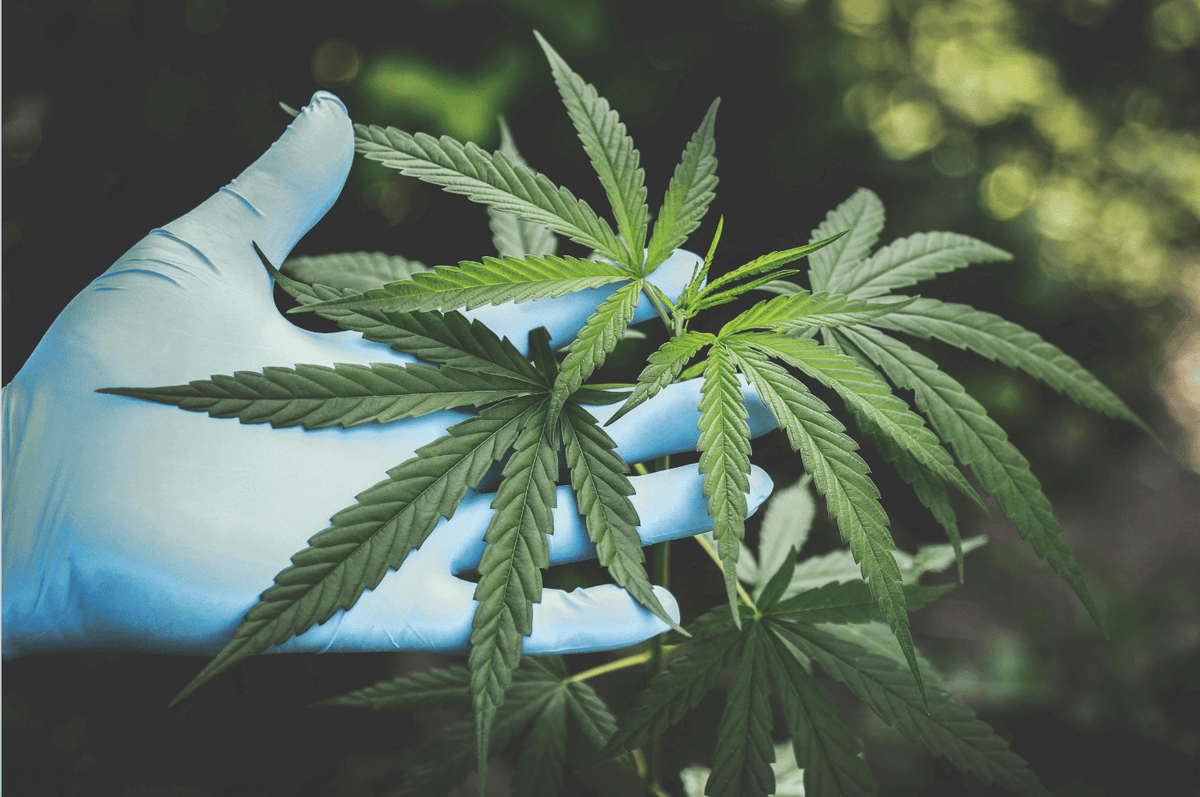
Cannabis (Cannabis sativa L.) is a flowering plant containing over 100 biologically active compounds called cannabinoids. The two most studied are CBD (cannabidiol) and THC (tetrahydrocannabinol). CBD is non-psychoactive and associated with therapeutic effects. THC produces the psychoactive 'high' and also has medical applications, including pain relief and appetite stimulation.
Both compounds interact with the body's endocannabinoid system (ECS), a regulatory network of CB1 and CB2 receptors found throughout the brain, nervous system, immune tissue, and gut. The ECS governs pain perception, inflammation, mood, sleep, and appetite. When cannabinoids bind to these receptors, they modulate these functions, which is the basis for most therapeutic effects of cannabis.
|
Compound |
Psychoactive? |
Primary Effects |
Legal in India? |
|
CBD (Cannabidiol) |
No |
Pain relief, anti-inflammatory, anti-anxiety, sleep support |
Yes, below 0.3% THC with Ayush licence |
|
THC (Tetrahydrocannabinol) |
Yes |
Pain relief, appetite stimulation, nausea reduction |
Prescription only (full-spectrum formulations) |
[[product:cbd-oil]]
Is Cannabis Legal in India?
India's cannabis law is governed by the NDPS Act 1985, which prohibits cannabis resin (charas) and flowering tops (ganja). However, cannabis leaves and seeds are explicitly excluded from the definition of narcotics. This is the legal basis for India's CBD industry.
The Ministry of Ayush has created a licensing framework for hemp-derived Ayurvedic products. Qurist operates under a valid Ayush licence. All products contain THC below legal permissible limits and are formulated as Ayurvedic proprietary medicines in compliance with the Drugs and Cosmetics Act 1940. Bhang (cannabis leaf preparations) also remains legal in many Indian states for cultural and religious use.
1. Chronic Pain Relief
Chronic pain is one of the most common reasons people seek medical cannabis. More recent systematic reviews and randomized controlled trial analyses suggest cannabinoids may provide modest pain relief, particularly for neuropathic pain and some cancer-related pain conditions, although results vary across studies.
A 2024 review published on PubMed/PMC found evidence supporting cannabinoids in certain chronic neuropathic pain models, while the AHRQ 2024 Living Systematic Review concluded that cannabis-based medicines may offer small to moderate improvements in chronic pain and sleep outcomes for some patients. Capsules — sometimes searched as CBD pills for pain — provide a similar oral option for people managing chronic pain who prefer not to use oils or sublingual drops.
2. Anxiety and Stress Reduction
CBD may help reduce anxiety by interacting with 5-HT1A serotonin receptors and influencing the body’s stress-response system, including the HPA axis. This is the same mechanism people are usually asking about when they search for the best CBD oil for anxiety — the receptor activity is identical regardless of format. Recent human-focused reviews and meta-analyses suggest CBD shows potential for reducing symptoms in conditions such as generalized anxiety disorder (GAD), social anxiety disorder (SAD), and PTSD, although researchers note that larger, better-standardized clinical trials are still needed.
High doses of THC, meanwhile, may worsen anxiety in some individuals. Studies published in Psychiatry Research and Frontiers in Pharmacology / PMC discuss these findings and the current limitations of evidence.
3. Better Sleep Quality
Cannabis, particularly CBD and CBN, may help reduce sleep onset time and improve sleep continuity by reducing anxiety and pain, the two most common sleep disruptors. For people exploring sleep supplements or a supplement for good sleep, these potential effects are one reason cannabinoid-based products are being studied for sleep support. In a large case series published on PMC (NCBI), 66% of patients using CBD reported improved sleep scores within the first month.
CBD-based sleep gummies are another format people may consider for nighttime use, although individual responses can vary and product ingredients, cannabinoid concentrations, and applicable regulations should be checked carefully.
4. Epilepsy and Seizure Control
This is currently one of the areas with the strongest clinical evidence for CBD. The U.S. FDA has approved Epidiolex, a pharmaceutical-grade CBD formulation, for certain severe epilepsy syndromes including Dravet syndrome and Lennox-Gastaut syndrome.
In a pivotal clinical trial published in the New England Journal of Medicine, patients with Dravet syndrome receiving CBD experienced a median reduction in convulsive seizure frequency of 38.9%, compared to 13.3% in the placebo group.
The World Health Organization (WHO) Expert Committee has also acknowledged CBD’s anticonvulsant potential and generally favorable safety profile.
5. Cancer Symptom Management
Cannabinoids have shown evidence for helping manage chemotherapy-induced nausea and vomiting, particularly through synthetic cannabinoid medications such as dronabinol and nabilone, which are approved for this use in some countries, including by the U.S. FDA.
Research also suggests cannabis-based therapies may help improve appetite and sleep quality in certain cancer patients during treatment, although evidence varies across studies, according to the National Cancer Institute (NCI).
Read more: https://qurist.in/blogs/news/cannabidiol-in-cancer-management
6. Menstrual Pain Relief
Cannabis interacts with CB1 receptors in uterine tissue and modulates prostaglandin-driven inflammation, which is the primary cause of dysmenorrhoea. Early evidence and extensive patient-reported outcomes support CBD and low-dose THC for period-related cramping, bloating, and mood disruption.
7. Inflammation Reduction
CBD interacts with CB2 receptors found on immune cells, which play a role in regulating inflammatory responses. Research suggests CBD may help reduce the production of pro-inflammatory cytokines including IL-6 and TNF-alpha, mechanisms discussed in studies published in the British Journal of Pharmacology.
These potential anti-inflammatory effects are being explored for conditions such as arthritis, IBD, and autoimmune disorders. Multiple preclinical studies and early human trials, including findings published in the European Journal of Pain, support CBD’s possible role as an anti-inflammatory agent, although larger long-term human studies are still needed.
8. Mental Health Support
Beyond anxiety, cannabis-derived compounds, particularly CBD, are being studied for their potential role in mental health conditions such as depression, PTSD, and ADHD. Early evidence suggests CBD may influence serotonin signaling pathways involved in mood regulation, as explored in research published in the British Journal of Pharmacology. Cannabinoids are also being investigated for their possible effects on traumatic memory processing and reconsolidation pathways in PTSD, although much of this evidence is still preclinical or early-stage, according to findings in the International Journal of Molecular Sciences.
Similarly, researchers are exploring how the endocannabinoid system may interact with dopamine-related attention and reward pathways relevant to ADHD, though current evidence remains limited and inconclusive, as reviewed in Current Psychiatry Reports. However, high-THC cannabis may worsen psychiatric symptoms in some individuals, particularly those vulnerable to anxiety, psychosis, or mood disorders, according to the National Institute on Drug Abuse (NIDA). Medical supervision is strongly recommended.
Side Effects and Risks of Cannabis Use
Short-Term Side Effects
- Dry mouth due to reduced saliva production, and red eyes caused by temporary widening of blood vessels after THC exposure
- Dizziness or lightheadedness, particularly with THC-dominant products
- Impaired short-term memory and slowed reaction time under acute THC intoxication
- Temporary increase in heart rate, relevant for those with cardiac conditions
- Anxiety or paranoia at high THC doses or in first-time users
Long-Term Risks
- Cannabis use disorder (CUD): approximately 3 of 10 marijuana users manifested a cannabis use disorder. CDC Cannabis Use Disorder Overview
- Cognitive effects: regular high-THC use, especially started in adolescence, is associated with working memory impairment. University of Pittsburgh Research on Cannabis & Working Memory
- Respiratory: smoking cannabis carries similar respiratory risks to tobacco. Oral and sublingual formats avoid this entirely
- Cardiovascular: chronic use is associated with small increases in baseline heart rate and blood pressure
- Psychiatric: heavy THC use in individuals genetically predisposed to psychosis may accelerate symptom onset
Who Should Avoid Cannabis?
- Pregnant or breastfeeding individuals
- People with a personal or family history of psychosis or schizophrenia
- Adolescents and those under 18
- Those on blood thinners, anti-epileptic medications, or hepatically metabolised drugs
- People with uncontrolled cardiovascular conditions
Cannabis in Ayurveda and Traditional Indian Medicine
Cannabis is not a new discovery in India. References to Vijaya (Cannabis sativa) appear in ancient Ayurvedic texts including the Atharva Veda and the Sushruta Samhita, where it is described as an analgesic, digestive aid, and nervine tonic. Bhang, prepared from cannabis leaves, has been used in India for thousands of years for pain management and spiritual practice.
In 2018, the Ministry of Ayush formally permitted cannabis leaf extracts in Ayurvedic formulations, classifying it under the Drugs and Cosmetics Act 1940 as an Ayurvedic proprietary medicine. This classification, known as the Vijaya extract framework, is what enables licensed brands like Qurist to legally manufacture and distribute medical cannabis products in India.
A growing body of research, indexed on the National Institutes of Health (NIH), examines traditional Ayurvedic applications of cannabis for pain, inflammation, and sleep. This broader interest also overlaps with the growing use of natural sleep supplements, although evidence and safety can vary significantly between ingredients and formulations.
How to Use Cannabis Safely in India
- Always source from a licensed manufacturer: Qurist products are manufactured under a valid Ayush Ministry licence, ensuring consistent potency, THC compliance, and pharmaceutical-grade safety
- Choose the right format for your condition: sublingual oils — the cannabis oil extracts absorbed under the tongue — offer faster onset for pain and anxiety; capsules and gummies suit daily preventive use; Periodaid targets menstrual pain specifically
- Avoid smoking: combustion produces harmful byproducts. Oral, sublingual, and capsule formats are safer and more consistent
- Do not use before driving or operating heavy machinery, particularly with THC-containing products
- Consult a doctor: book a free consultation at qurist.in/pages/free-consultation to receive personalised guidance on which product, dosage, and format suits your condition
About Qurist
Qurist is an Indian wellness brand producing hemp-derived and cannabis-based formulations under a valid Ayush Ministry licence. Products are developed with medical oversight and full ingredient transparency.
Qurist does not claim to treat, cure, or prevent any medical condition. All products are intended to complement, not replace, medical care. Consult a qualified healthcare professional before adding any new supplement to your daily routine.
Frequently Asked Questions
Is cannabis legal in India?
Hemp-derived CBD with THC below legal permissible limits is legal in India under the Ayush Ministry licensing framework. Ganja (cannabis flowers) and charas (resin) remain prohibited under the NDPS Act 1985. Bhang is legal for cultural use in several states. Qurist operates fully within the legal framework with a valid Ayush licence.
What is the difference between CBD and THC?
CBD (cannabidiol) is non-psychoactive, widely associated with therapeutic effects, and legal in India with a prescription in hemp-derived products. THC (tetrahydrocannabinol) produces psychoactive effects and has medical applications including pain and nausea relief, and requires a prescription for full-spectrum formulations. Both interact with the endocannabinoid system but at different receptor sites and with different outcomes. Learn about CBD vs THC before making your choice.
Can cannabis help with anxiety and depression?
CBD shows meaningful promise for anxiety through interaction with 5-HT1A serotonin receptors and HPA axis modulation. Research on depression is at an earlier stage. Importantly, high-THC cannabis can worsen anxiety in some individuals. For anxiety management in India, CBD-dominant or balanced CBD:THC products are generally recommended, ideally under medical supervision.
What are the side effects of cannabis use?
Short-term side effects include dry mouth, dizziness, and impaired reaction time (THC). Long-term risks with heavy THC use include cognitive effects, dependency risk, respiratory issues from smoking, and psychiatric risk in predisposed individuals. CBD is generally very well tolerated with minimal side effects at therapeutic doses.
Is Qurist cannabis safe to use?
Qurist products are manufactured under a valid Ayush Ministry licence, are third-party tested, and contain THC below 0.3% in CBD products. These products are available with a prescription. Qurist recommends a free doctor consultation before starting any cannabis product, particularly if you are on existing medication.
How do I consume CBD oil for pain relief?
Place the recommended dose of CBD oil under your tongue and hold for 15 to 30 seconds before swallowing. This sublingual route allows faster absorption than capsules. For best results, use consistently for at least 2 to 4 weeks before assessing benefit. Qurist's pure CBD oil is available in multiple strengths.
What are the side effects of cannabis on the heart and lungs?
Cannabis can temporarily raise heart rate and blood pressure, which poses risk for those with existing cardiovascular conditions. Smoking cannabis irritates the respiratory tract and shares some risks with tobacco smoke. These risks are substantially reduced or eliminated by using oral, sublingual, or capsule formats rather than smoked products. Anyone with a cardiac condition should consult a physician before use.

Leave a comment
All comments are moderated before being published.
This site is protected by hCaptcha and the hCaptcha Privacy Policy and Terms of Service apply.