


1. Introduction
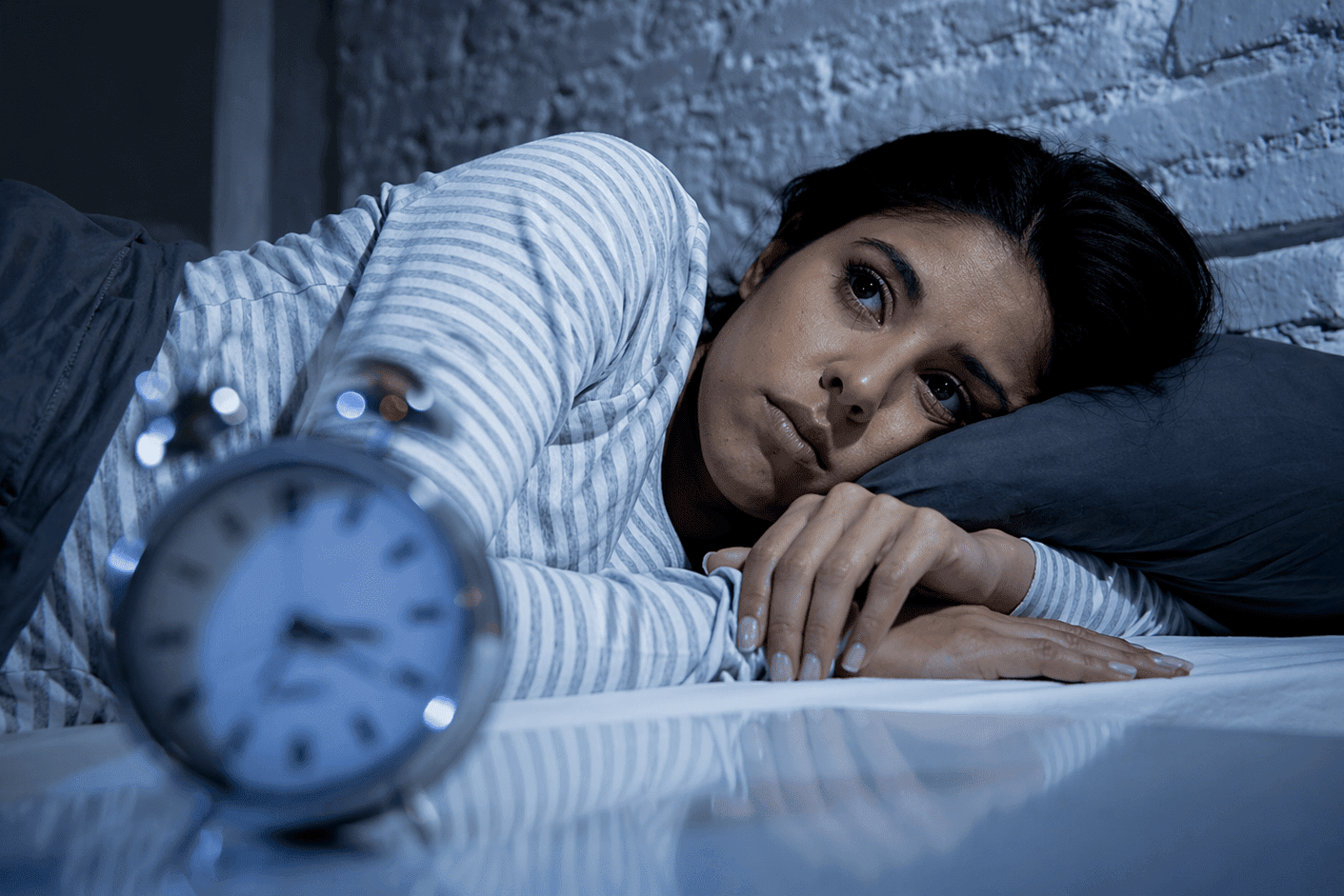
You lie down exhausted, close your eyes, and your mind starts racing. Deadlines, worries, unfinished conversations. An hour passes and you are still awake, now anxious about not sleeping. When morning comes, you are depleted, irritable, and less able to cope with the very stress that kept you up. This is the sleep-stress cycle: stress disrupts sleep, and poor sleep amplifies stress, creating a loop that slowly damages your mental and physical health.
2. What Is Insomnia?
Insomnia is a sleep disorder characterised by difficulty falling asleep, staying asleep, or waking too early despite having adequate opportunity for rest. According to the Cleveland Clinic, roughly 1 in 3 adults worldwide experience insomnia symptoms, and approximately 10 percent of adults have chronic insomnia, defined as sleep difficulty at least three nights per week for three or more months.
The Mayo Clinic identifies stress, anxiety, work pressures, life events, and poor sleep habits as the leading causes of short-term insomnia. When these go unaddressed, short-term sleep disruption can shift into a persistent, self-reinforcing condition that affects energy, mood, cognitive function, and long-term health.
3. The Biological Mechanism: How Stress and Sleep Destroy Each Other
The body's stress response and its sleep regulation system share the same central architecture: the hypothalamic-pituitary-adrenal (HPA) axis. When stress is perceived, the HPA axis triggers cortisol release, which activates arousal, sharpens attention, and suppresses the drive toward sleep. A review published on PMC (NCBI) describes how stress-related hormones including cortisol, adrenaline, and CRH are directly associated with wakefulness and hyperarousal, the state where the nervous system stays activated even when the body is trying to rest.
What makes this particularly damaging is the reverse pathway. Research published on PMC (NCBI) found that just one night of sleep deprivation causes a 60 percent amplification in amygdala reactivity to negative stimuli, the exact brain region responsible for processing fear and threat. The prefrontal cortex, which normally regulates emotional responses, loses connectivity with the amygdala under sleep loss. The result is a brain that overreacts to stress, cannot calm itself down, and generates more anxiety that further inhibits sleep. This is not a metaphor for a bad week. It is a documented neurological feedback loop.
4. Conventional Medical Approach
The Mayo Clinic identifies Cognitive Behavioural Therapy for Insomnia (CBT-I) as the first-line, evidence-based treatment for chronic insomnia, recommended ahead of sleeping pills. CBT-I addresses the thought patterns and behaviours that perpetuate poor sleep. The Cleveland Clinic notes that roughly 3 in 4 people who complete CBT-I programmes see meaningful, sustained improvements in insomnia severity. Prescription sleep medications may be used short-term but carry dependence risks and do not address the underlying stress-sleep dynamic.
5. How to Sleep Better at Night Naturally: Lifestyle Strategies
Lifestyle changes, applied consistently, offer the most durable path to better sleep and lower anxiety. These five areas have the strongest evidence.
- Build a Consistent Sleep Schedule
The body's circadian rhythm is extraordinarily sensitive to timing. Going to bed and waking at the same time every day, including weekends, anchors your body clock and regulates the cortisol pattern that should peak in the morning and decline through the evening. The Mayo Clinic recommends setting a fixed wake time as the single most important step in sleep routine repair, even on nights when sleep was poor, as this rebuilds sleep pressure and makes the next night easier.
- Create a Wind-Down Ritual
The nervous system needs a transition from activity to rest. Blue light from screens suppresses melatonin, the hormone that signals darkness and induces sleep. Stopping screen use 60 to 90 minutes before bed, dimming lights, and engaging in calming activities such as reading, warm bathing, or gentle stretching gives the HPA axis time to deactivate. The Cleveland Clinic specifically identifies poor wind-down habits as a leading perpetuating factor for insomnia.
- Exercise Regularly but Time It Correctly
Regular moderate exercise is one of the most effective natural treatments for insomnia and anxiety combined. It reduces baseline cortisol, increases slow-wave deep sleep, and depletes the physical tension that chronic stress accumulates. However, intense exercise within two to three hours of bedtime raises cortisol and body temperature, making sleep onset harder. Morning or afternoon movement is optimal for those managing sleep anxiety.
- Manage Stress Directly
Because the loop runs in both directions, reducing stress is as important as improving sleep habits. Practices that activate the parasympathetic nervous system, including diaphragmatic breathing, yoga, pranayama, and progressive muscle relaxation, directly lower cortisol. Journalling anxious thoughts before bed externalises the mental load and reduces the likelihood of rumination at night. Limiting news and social media in the evening is a practical step with measurable impact on pre-sleep anxiety levels.
- Eat and Drink for Sleep
What you consume in the hours before bed significantly affects sleep quality. Caffeine has a half-life of 5 to 7 hours, meaning a 4 pm coffee is still half-strength at 11 pm. Alcohol, despite feeling sedating initially, fragments sleep architecture and suppresses REM sleep. A light dinner, and if needed a small magnesium-rich snack such as pumpkin seeds or a banana, supports neuromuscular relaxation and natural melatonin production.
6. Natural Remedies for Anxiety and Sleep
- Ashwagandha: A well-documented adaptogen that lowers cortisol and has been shown in RCTs to improve sleep quality and reduce anxiety. A placebo-controlled trial published on PMC (NCBI) found significant reductions in cortisol and stress scores after 60 days of supplementation.
- Magnesium glycinate or citrate: Supports GABA activity, the brain's primary inhibitory neurotransmitter, which promotes sleep onset and reduces anxiety. Deficiency is widespread and often overlooked as a contributor to sleep difficulty.
- Chamomile tea: Contains apigenin, a compound that binds GABA receptors with mild sedative effect. A warm cup of chamomile 45 to 60 minutes before bed is a low-risk, evidence-aligned habit.
- L-theanine: A naturally occurring amino acid in green tea that promotes relaxation without sedation by increasing alpha brain wave activity and GABA levels. Particularly useful for those whose insomnia stems from an overactive, anxious mind.
7. Can CBD Support Sleep and Anxiety?
CBD (cannabidiol) is a non-psychoactive hemp compound that interacts with the body's endocannabinoid system (ECS). The ECS is directly involved in regulating both the sleep-wake cycle, via CB1 receptors in the hypothalamus and brainstem, and the HPA axis stress response. A review on PMC (NCBI) notes that CBD modulates endocannabinoid signalling across multiple receptor sites and shows promise in improving sleep quality, particularly in anxiety-related insomnia, without the psychoactive effects associated with THC.
A large retrospective case series published on PMC (NCBI) involving 103 adult patients found that CBD use was associated with improvements in anxiety scores in 79 percent of patients and sleep scores in 66 percent, with effects sustained over three months. CBD may support the body's natural regulation of the stress-sleep cycle as part of a broader lifestyle routine. Human clinical trial data is still evolving, responses vary individually, and CBD should not replace evidence-based approaches such as CBT-I or prescribed treatment. Always consult a physician before starting CBD, especially if you are on medication for anxiety, depression, or sleep.
8. When to See a Doctor
Seek professional help if: insomnia has lasted more than three weeks, you rely on alcohol or sleeping pills to fall asleep, daytime functioning is significantly impaired, you experience persistent anxiety or low mood alongside poor sleep, or you notice physical symptoms such as palpitations or breathlessness at night. A doctor can assess for underlying anxiety disorder, sleep apnoea, depression, or thyroid issues, all of which require targeted treatment.
9. About Qurist
Qurist is an Indian wellness brand focused on plant-based health products, with a particular emphasis on CBD-based formulations made from hemp. Products are developed with medical oversight and full ingredient transparency. Qurist does not claim to treat, cure, or prevent any medical condition. All products are intended to complement, not replace, medical care. Consult a healthcare professional before adding any new supplement to your routine.
10. Conclusion
Sleep and stress are not separate problems. They are a single, bidirectional system. Stress activates the hormonal and neurological machinery that blocks sleep, and sleep deprivation dismantles the brain's ability to manage stress. Breaking the cycle requires attacking both sides: building consistent sleep habits, reducing anxiety through movement and mindfulness, and supporting the nervous system with evidence-backed natural tools. Natural treatment for insomnia starts with understanding the biology, and then making the daily choices that work with it rather than against it.
Disclaimer: This article is for informational and educational purposes only. It does not constitute medical advice. Please consult a qualified healthcare provider for diagnosis and treatment planning.


Leave a comment
All comments are moderated before being published.
This site is protected by hCaptcha and the hCaptcha Privacy Policy and Terms of Service apply.