


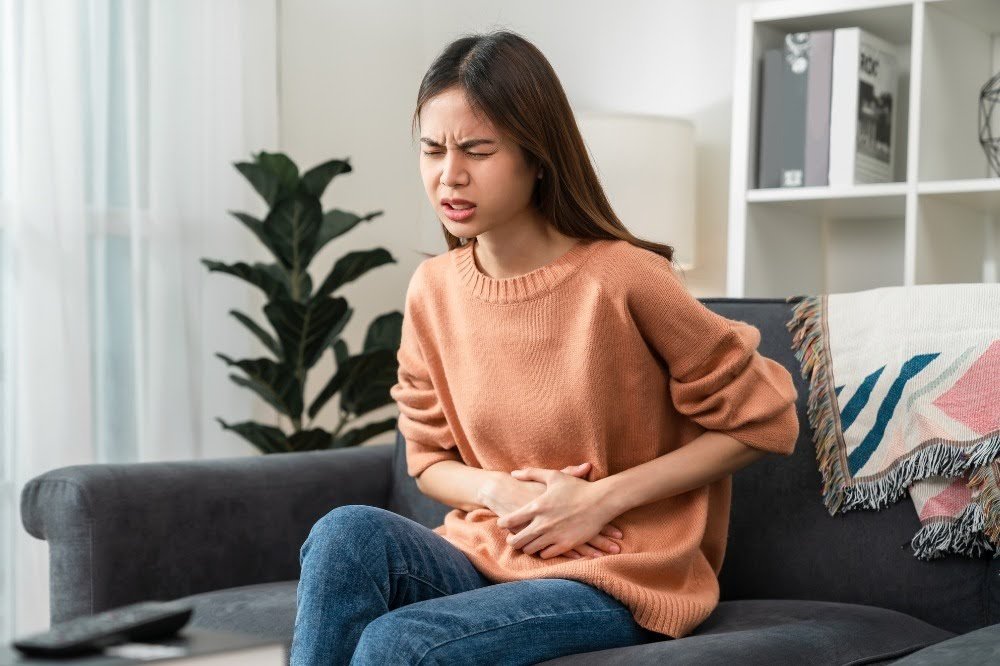
Period pain affects the majority of women who menstruate. A review published in the Korean Journal of Family Medicine (Itani et al., 2022) found that the worldwide prevalence of primary dysmenorrhea ranges from 45% to 95% among females of reproductive age, with 70% to 90% prevalence reported among women under 24. The same review confirmed that women with dysmenorrhea have higher concentrations of prostaglandins F2α and E2 in their endometrial tissue than those without pain, and that cramp severity correlates directly with those levels. For the millions of women in India who reach for Meftal or ibuprofen every month and still find the relief inadequate, understanding why cramps happen and what alternatives exist is worth the read.
Why Period Pain Happens
Menstrual cramps are driven by prostaglandins, hormone-like chemicals produced in the uterine lining just before and during your period. Prostaglandins trigger the uterine muscles to contract, helping shed the lining. Higher prostaglandin levels mean stronger contractions, reduced blood flow to the uterus, and more pain. The Itani et al. review confirms that the pathogenesis of primary dysmenorrhea (period pain without underlying pelvic disease) is due to increased secretion of prostaglandin F2α and E2 during endometrial sloughing, which increases myometrial contractions and vasoconstriction, leading to uterine ischaemia and hypersensitisation of pain fibres.
Pain typically starts one to two days before the onset of menses or just after the menstrual flow begins, lasting 8 to 72 hours. As the lining sheds and prostaglandin production drops, the pain typically eases.
When Period Pain Is Normal and When It Is Not
Regular cramping that follows a predictable monthly pattern and responds to basic remedies is considered normal primary dysmenorrhea. Pain that is progressively worsening, does not respond to over-the-counter medication, or is accompanied by heavy bleeding, pain between periods, or pain during intercourse may signal a secondary cause.
Conditions that can cause abnormal period pain include endometriosis (uterine-like tissue growing outside the uterus), adenomyosis (tissue growing into the uterine muscle wall), uterine fibroids, and pelvic inflammatory disease. A gynaecologist evaluation is warranted if your pain pattern changes or consistently interferes with daily activities.
10 Remedies That Help with Period Pain
The following approaches are supported by clinical evidence or established medical consensus.
Heat Therapy
A systematic review published in Frontiers in Medicine found that heat therapy was as effective as NSAIDs for reducing menstrual pain and may cause fewer side effects. A hot water bottle, heating pad, or warm bath applied to the lower abdomen relaxes the uterine muscles and improves blood flow. Heat is the simplest, most accessible first-line remedy.
NSAIDs (Ibuprofen, Mefenamic Acid, Naproxen)
NSAIDs work by inhibiting prostaglandin synthesis, directly targeting the cause of menstrual cramps. Ibuprofen and mefenamic acid (Meftal) are the most commonly used options in India. Starting the dose a day before your period begins, or at the first sign of cramps, is more effective than waiting until pain is severe. Extended use carries gastrointestinal and kidney risks, which is one reason many women seek alternatives.
Regular Exercise
A study (Dehnavi et al., 2018) found that women who performed 30 minutes of aerobic exercise three times per week for eight weeks reported significantly reduced menstrual pain. Walking, swimming, and cycling are practical options. Yoga, particularly poses like cat-cow, child's pose, and reclined butterfly, combines movement with muscle relaxation.
Magnesium-Rich Foods
Magnesium helps relax smooth muscle, including the uterine wall. Good Indian sources include bananas, spinach, ragi, rajma, sesame seeds, and dark chocolate. Some women also benefit from magnesium supplements, though dosage should be discussed with a doctor.
Ginger
Ginger has documented anti-inflammatory properties. A cup of fresh ginger tea, made by steeping sliced ginger root in hot water for 10 to 15 minutes, can ease both cramping and nausea during the first days of your period.
Omega-3 Fatty Acids
Omega-3s reduce prostaglandin levels over time. Fatty fish (mackerel, sardines), walnuts, and flaxseeds are the most accessible sources. Regular intake throughout the month tends to produce better results than starting only when pain arrives.
Stay Hydrated
Dehydration worsens bloating, which makes cramps feel more intense. Warm water, herbal teas (ginger, chamomile), and warm turmeric milk are practical Indian options that combine hydration with anti-inflammatory support.
Abdominal Massage
Gentle circular massage over the lower abdomen improves blood flow and relaxes uterine muscles. Adding warmed sesame or coconut oil, a common Indian practice, enhances the effect.
Acupressure
Applying firm pressure to the Spleen 6 point, located four finger-widths above the inner ankle bone, has been shown in studies to help reduce menstrual pain intensity. Simple to do at home with no side effects.
Reduce Caffeine, Alcohol, and Processed Foods
Caffeine constricts blood vessels and may increase tension. Alcohol disrupts sleep and raises inflammation. Processed and salty foods worsen bloating. Cutting back on all three during your period can noticeably reduce discomfort.
Medical Cannabis as a Complementary Option
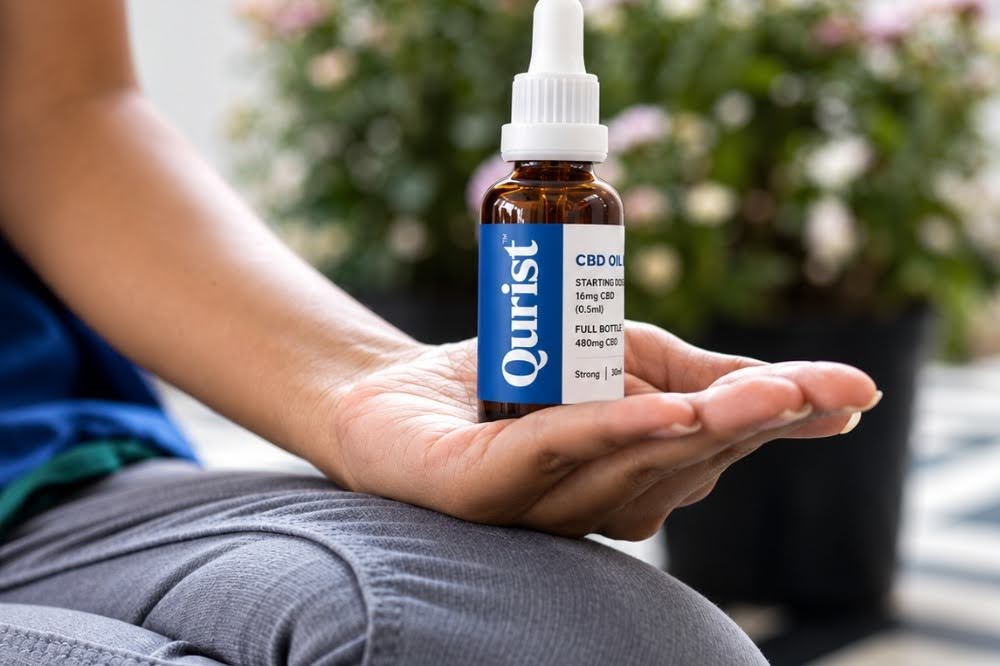
For women who find NSAIDs inadequate or want to reduce their reliance on conventional painkillers, CBD (cannabidiol) is gaining attention as a non-habit-forming option. CBD interacts with the endocannabinoid system (ECS), a receptor network involved in regulating pain, inflammation, and muscle tension. A peer-reviewed systematic review in Cureus (PMC, 2024) found that cannabinoids provided significant pain relief compared to placebo across chronic pain conditions.
Qurist offers full-spectrum CBD+THC Oil for broader pain and mood support during your period, and CBD Oil as a non-intoxicating daily option. For severe menstrual cramps, pain relief capsules with 50 mg active cannabinoids per pill in a 1:1 CBD to THC ratio provide targeted support. A pain relief kit combining capsules and oil is also available. Declared THC content in these products is approved by the Ministry of AYUSH. All formulations are AYUSH-licensed, NABL third-party tested, and use CO2 extraction, winterisation, multiple distillation rounds, and HPLC purification.
When to See a Doctor
See a gynaecologist if your period pain regularly prevents you from working, if it does not respond to over-the-counter treatment, if the pain pattern changes after age 25, or if you notice heavier bleeding, pain between periods, or pain during intercourse. Early evaluation can rule out endometriosis, fibroids, and other conditions that benefit from targeted treatment.
Book a Free Consultation for Medical Cannabis
Not sure which option suits your needs? Qurist offers free consultations with experienced practitioners who can help you find the right approach alongside your current treatment.
Disclaimer: This blog is for educational and informational purposes only and is not intended to provide medical advice, diagnosis, or treatment. Qurist does not claim that its products diagnose, treat, cure, or prevent any medical condition. Our products are intended to complement, not replace, appropriate medical care. Consult a qualified healthcare professional before using any product, particularly if you are taking blood thinners, anti-epileptic medicines, or other medicines that are metabolised by the liver, or if you have an existing medical condition. Individual responses may vary.
Frequently Asked Questions
Why is the first day of my period the most painful?
Prostaglandin levels in the uterine lining peak on the first day of menstruation. A review of the pathophysiology of primary dysmenorrhea found that women with the condition have higher concentrations of prostaglandin F2α in their endometrial tissue than those without pain, and that cramp severity correlates directly with those levels (Itani et al., 2022). As the lining sheds over the following days, prostaglandin levels drop, and the pain eases
Is heat therapy really as effective as painkillers?
A systematic review in Frontiers in Medicine (2026) found heat therapy comparable to NSAIDs for menstrual pain relief, with fewer side effects. A hot water bottle on the lower abdomen for 15 to 20 minutes is a practical first step before reaching for medication.
Can exercise help with period cramps?
Yes. A study in the BMC Women’s Health (2018) found that 30 minutes of aerobic exercise three times per week for eight weeks significantly reduced menstrual pain. Walking, swimming, and yoga are effective and accessible options.
Can CBD help with period pain?
CBD interacts with the endocannabinoid system to support pain and inflammation regulation. Qurist's full-spectrum oil and pain relief capsules provide targeted support for menstrual cramps. As with any supplement, consult your doctor before starting, especially if you take other medications.
What foods help reduce period pain?
Anti-inflammatory foods are the most helpful: fatty fish, leafy greens, bananas, ginger, turmeric, flaxseeds, sesame seeds, and dark chocolate. Reducing caffeine, alcohol, and processed foods during your period also helps.
When should I see a doctor about period pain?
See a gynaecologist if pain consistently prevents daily activities, does not respond to over-the-counter medication, worsens over time, or is accompanied by heavy bleeding or pain between periods. Conditions like endometriosis and fibroids are treatable but require professional evaluation.
Are there natural alternatives to Meftal for period pain?
Heat therapy, regular exercise, magnesium-rich foods, ginger tea, and omega-3 fatty acids are all evidence-backed alternatives. Medical cannabis products like CBD Oil and pain relief capsules are also emerging as non-habit-forming options. Many women use a combination of these alongside, or instead of, conventional painkillers.


Leave a comment
All comments are moderated before being published.
This site is protected by hCaptcha and the hCaptcha Privacy Policy and Terms of Service apply.