


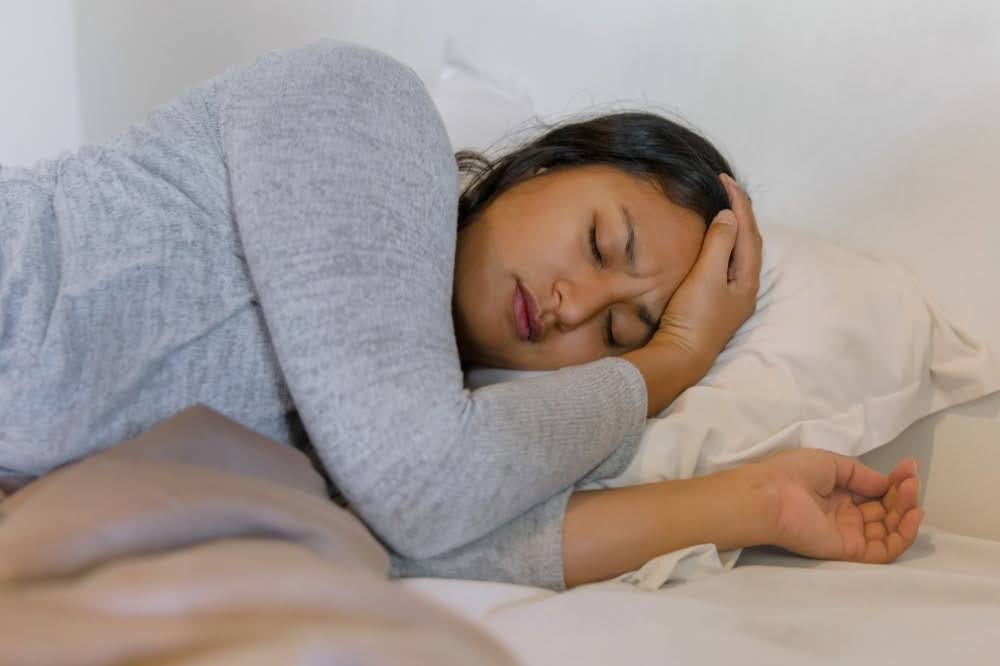
Both insomnia and sleep apnoea leave you exhausted during the day, but they are fundamentally different conditions. Insomnia is a problem of falling or staying asleep. Sleep apnoea is a problem of breathing during sleep. The distinction matters because treating the wrong one will not fix your sleep and, in some cases, can make things worse.
A landmark analysis published in The Lancet Respiratory Medicine (2019) estimated that nearly 1 billion people globally are affected by obstructive sleep apnoea, many of them undiagnosed. Here is how to figure out which condition you may be dealing with.
What Insomnia Actually Looks Like
Insomnia means you have difficulty falling asleep, staying asleep, or you wake up too early and cannot get back to sleep, even when you have the opportunity and environment for rest. People with insomnia are usually aware they are awake. The mind races, the body feels restless, and sleep simply does not come.
Common triggers include stress, anxiety, irregular schedules, excessive caffeine, and screen exposure before bed. Insomnia can be acute (lasting a few days to weeks) or chronic (persisting for three months or longer). Breathing during sleep is typically normal in people with insomnia alone.
What Sleep Apnoea Actually Looks Like
Sleep apnoea is a breathing disorder. During sleep, the airway becomes partially or fully blocked (in obstructive sleep apnoea), or the brain fails to signal the muscles to breathe (in central sleep apnoea). The result is repeated micro-awakenings throughout the night that most people do not remember.
The hallmark symptoms are loud snoring, gasping or choking during sleep (often noticed by a bed partner), morning headaches, and excessive daytime sleepiness despite spending enough hours in bed. Unlike insomnia, people with sleep apnoea often believe they "slept all night" but wake up feeling as though they did not rest at all.
Insomnia vs. Sleep Apnoea: Key Differences
| Feature | Insomnia | Sleep Apnoea |
|---|---|---|
| Core problem | Difficulty falling or staying asleep | Breathing interruptions during sleep |
| Awareness | You know you are awake. | You usually do not remember waking. |
| Snoring | Not typical | Loud and frequent, with gasping |
| Breathing | Normal | Repeatedly stops or becomes restricted |
| Main daytime effect | Fatigue, irritability, difficulty concentrating | Excessive sleepiness, morning headaches |
| Common causes | Stress, anxiety, poor sleep habits | Airway obstruction, obesity, anatomy |
| Primary treatment | CBT-I, sleep hygiene, medication | CPAP therapy, oral appliances, surgery |
Can You Have Both at the Same Time?
Yes, and it is more common than most people realise. The combination is sometimes called comorbid insomnia and sleep apnoea (COMISA). Someone with COMISA may struggle to fall asleep (insomnia) and then experience breathing disruptions once they do (sleep apnoea). Treating only one condition often leaves the other unaddressed, which is why a proper sleep evaluation matters.
If your insomnia persists despite good sleep hygiene and behavioural changes, or if a bed partner has noticed snoring, gasping, or pauses in your breathing, a sleep study (polysomnography) can help clarify the picture.
How Each Condition Is Treated
Insomnia treatment typically starts with cognitive behavioural therapy for insomnia (CBT-I), which addresses the thoughts and habits keeping you awake. Sleep hygiene improvements, including consistent sleep timing, reduced screen exposure, and a cool dark bedroom, form the behavioural foundation. Medication may be added for short-term relief, but the goal is always to resolve insomnia without long-term drug dependency.
Sleep apnoea treatment centres on keeping the airway open. Continuous positive airway pressure (CPAP) therapy is the most common approach, using a mask that delivers steady air pressure during sleep. Oral appliances, positional therapy, weight management, and in some cases surgery are also options depending on severity.
CBD as Supportive Care for Sleep Quality
For those managing ongoing sleep difficulties, whether from insomnia, residual fatigue, or nighttime anxiety, CBD (cannabidiol) is an emerging non-habit-forming option. CBD interacts with the endocannabinoid system (ECS), a receptor network that helps regulate sleep, stress, and relaxation.
Qurist offers AYUSH-licensed, NABL third-party tested sleep gummies with 40 mg active cannabinoids per gummy in a 1:1 CBD to THC ratio and CBD sleep tablets with CBD, THC, and chamomile. Declared THC content in these products is approved by the Ministry of AYUSH.
For daily calm, CBD Oil provides non-intoxicating support, and a day-and-night bundle is also available. All formulations use CO₂ extraction, winterisation, multiple distillation rounds, and HPLC purification.
Talk to a Doctor, for Free
Not sure whether your sleep trouble is insomnia, something else, or a combination? Qurist offers free consultations with experienced practitioners who can help you understand how CBD-based support may fit alongside your care plan.
Disclaimer: This blog is for educational and informational purposes only and is not intended to provide medical advice, diagnosis, or treatment. Qurist does not claim that its products diagnose, treat, cure, or prevent any medical condition. Our products are intended to complement, not replace, appropriate medical care. Consult a qualified healthcare professional before using any product, particularly if you are taking blood thinners, anti-epileptic medicines, or other medicines that are metabolised by the liver, or if you have an existing medical condition. Individual responses may vary.
Frequently Asked Questions
How do I know if I have insomnia or sleep apnoea?
The simplest distinction: with insomnia, you are aware you cannot sleep. With sleep apnea, you may think you slept fine but feel exhausted regardless. Snoring, gasping, and morning headaches point toward sleep apnoea. Difficulty falling asleep, racing thoughts, and lying awake for long periods point toward insomnia. A sleep study provides the definitive answer.
Can sleep apnoea cause insomnia?
Yes. Repeated breathing disruptions can fragment sleep so severely that people develop difficulty falling or staying asleep, creating a cycle where both conditions reinforce each other. Addressing the breathing problem often improves the insomnia.
What is the best treatment for sleep apnoea and insomnia together?
When both conditions coexist, treatment typically involves CPAP therapy for the apnoea alongside CBT-I or behavioural interventions for the insomnia. Treating only one without addressing the other usually produces incomplete results.
Are sleeping pills safe for sleep apnoea?
Most sedative sleeping pills are not recommended for people with untreated sleep apnoea because they can relax the airway muscles further, worsening breathing disruptions. Non-sedating options like melatonin or CBD-based sleep support may be safer alternatives, but always consult your doctor first.

Leave a comment
All comments are moderated before being published.
This site is protected by hCaptcha and the hCaptcha Privacy Policy and Terms of Service apply.