


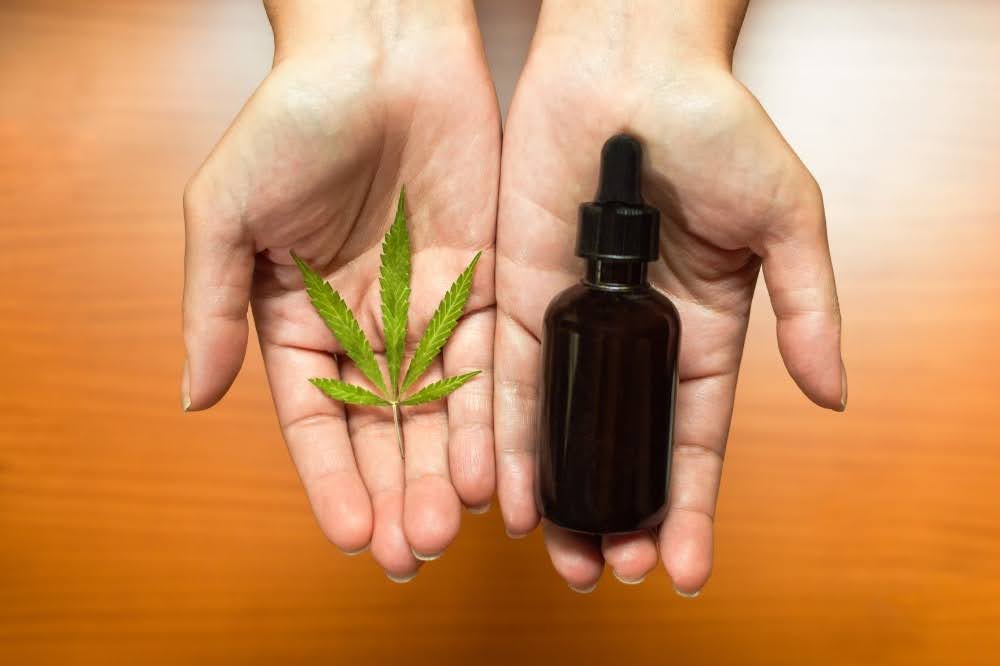
If you are choosing between CBD and THC, the practical difference is straightforward: THC is psychoactive, and CBD is not. Both come from the cannabis plant, both act on the same system in the body, and both have genuine medical uses. But they feel different, suit different problems, and are used at different doses. Here is what separates them and how to tell which one fits your situation.
How CBD and THC Work in the Body
Both cannabidiol (CBD) and tetrahydrocannabinol (THC) act on the endocannabinoid system (ECS), a network of receptors across the brain, organs, and immune system that helps regulate pain, mood, sleep, appetite, and inflammation.
The difference is in how they engage it. THC produces its psychoactive effects primarily by activating CB1 receptors in the brain. CBD does not activate CB1 receptors in the same way, which is why it does not cause intoxication. The World Health Organization's 2018 review reported that CBD shows no effects indicative of abuse or dependence and is generally well tolerated (World Health Organization, 2018).
CBD vs THC at a Glance
| Factor | CBD | THC |
|---|---|---|
| Effect on the mind | Non-intoxicating | Psychoactive |
| How it acts | Does not activate CB1 receptors directly | Activates CB1 receptors in the brain |
| Best suited to | Everyday stress, mild discomfort, daytime use | Severe pain, deep sleep, appetite, palliative care |
| Status in India | Available under AYUSH licence | Available under AYUSH licence, declared content |
| Common side effects | Tiredness, changes in appetite or weight, diarrhoea (WHO, 2018) | Dry mouth, altered coordination, short-term memory effects |
The therapeutic uses in that table are not marketing claims. A systematic review of 79 trials in JAMA found moderate-quality evidence that cannabinoids help with chronic pain and muscle spasticity, and lower-quality evidence for nausea from chemotherapy, sleep problems, and appetite (Whiting et al., JAMA, 2015). Responses vary individually.
What CBD Feels Like
CBD does not produce intoxication. Most people describe it as a quiet easing of tension or a calmer baseline, rather than any noticeable sensation. Since it is non-intoxicating, it can be taken during the day without affecting your ability to work, drive, or think clearly.
What THC Feels Like
At the large doses associated with recreational use, THC alters perception and mood. At the much lower, controlled doses used medically, the effect is subtler: relief from pain, muscle relaxation, deeper sleep, and appetite stimulation. Medical cannabis products under India's AYUSH framework use declared, measured amounts to deliver these benefits without overwhelming psychoactive effects.
Why Many Products Combine Both
CBD and THC often work better together than either does alone. In a 2011 review in the British Journal of Pharmacology, this cooperation was described as the entourage effect: CBD and other plant compounds can broaden THC's therapeutic range while softening some of its unwanted effects (Russo, British Journal of Pharmacology, 2011). In practical terms, a full-spectrum product that contains both can give steadier relief than an isolated compound, which is why combination formulas exist.
Which One Is Right for Your Situation
The right choice follows the problem you are trying to solve.
For everyday stress, mild aches, or general daytime wellness, CBD on its own is usually enough. A non-intoxicating CBD oil suits people who want steady daytime support with no psychoactive effect at all.
For severe or chronic pain, disrupted sleep, or palliative care, a combination of CBD and THC tends to work better. A full-spectrum CBD and THC oil is the usual starting point here, since it delivers both compounds together. For sharp, targeted pain such as arthritis flare-ups or chemotherapy-related pain, pain-relief pills that carry 50 mg of active cannabinoids in a 1:1 CBD to THC ratio offer more concentrated relief. For pain or anxiety that mainly disrupts the night, Sleepeasy™ Gummies combine the two compounds for nighttime use.
Declared THC content in these products is approved by the Ministry of AYUSH. Every batch is AYUSH-licensed and NABL third-party tested, made using CO2 extraction, winterisation, multiple distillation rounds, and HPLC purification. Qurist does not claim to treat, cure, or prevent any medical condition, and these products are designed to complement, not replace, medical care. Consult a qualified healthcare professional before use, particularly if you take blood thinners, anti-epileptic medication, or other drugs processed by the liver, as cannabinoids can interact with them.
Book a Free Medical Consultation
Not sure whether CBD, THC, or a combination fits your situation? Qurist offers a free consultation with experienced doctors who can match a starting point to your condition and any medication you already take.
Disclaimer: This blog is for educational and informational purposes only and is not intended to provide medical advice, diagnosis, or treatment. Qurist does not claim that its products diagnose, treat, cure, or prevent any medical condition. Our products are intended to complement, not replace, appropriate medical care. Consult a qualified healthcare professional before using any product, particularly if you are taking blood thinners, anti-epileptic medicines, or other medicines that are metabolised by the liver, or if you have an existing medical condition. Individual responses may vary.
Frequently Asked Questions
Does CBD cause a psychoactive effect?
No. CBD is non-intoxicating and does not produce the "stoned" effect associated with cannabis. The World Health Organization's 2018 review found no evidence of abuse or dependence potential with CBD in humans.
Is THC legal in India?
THC is available in medical cannabis products licensed by the AYUSH Department, Government of India. Products with declared THC content, such as Qurist's CBD+THC Oil and Painaway™ pills, fall within this framework and require a valid prescription.
Can CBD and THC be taken together?
Yes. Many medical cannabis products combine both because they can enhance each other's effects, an interaction known as the entourage effect. Full-spectrum formulations are built to deliver this combined benefit.
Which is better for pain, CBD or THC?
For mild to moderate pain, CBD alone may be enough. For severe or chronic pain, a combination of CBD and THC tends to give stronger relief. The right choice depends on how severe the pain is and your doctor's guidance.
This article is for general education and is not medical advice. Qurist does not claim to treat, cure, or prevent any medical condition, and responses vary individually. Consult a qualified healthcare professional before use, particularly if you take other medication.


Leave a comment
All comments are moderated before being published.
This site is protected by hCaptcha and the hCaptcha Privacy Policy and Terms of Service apply.