


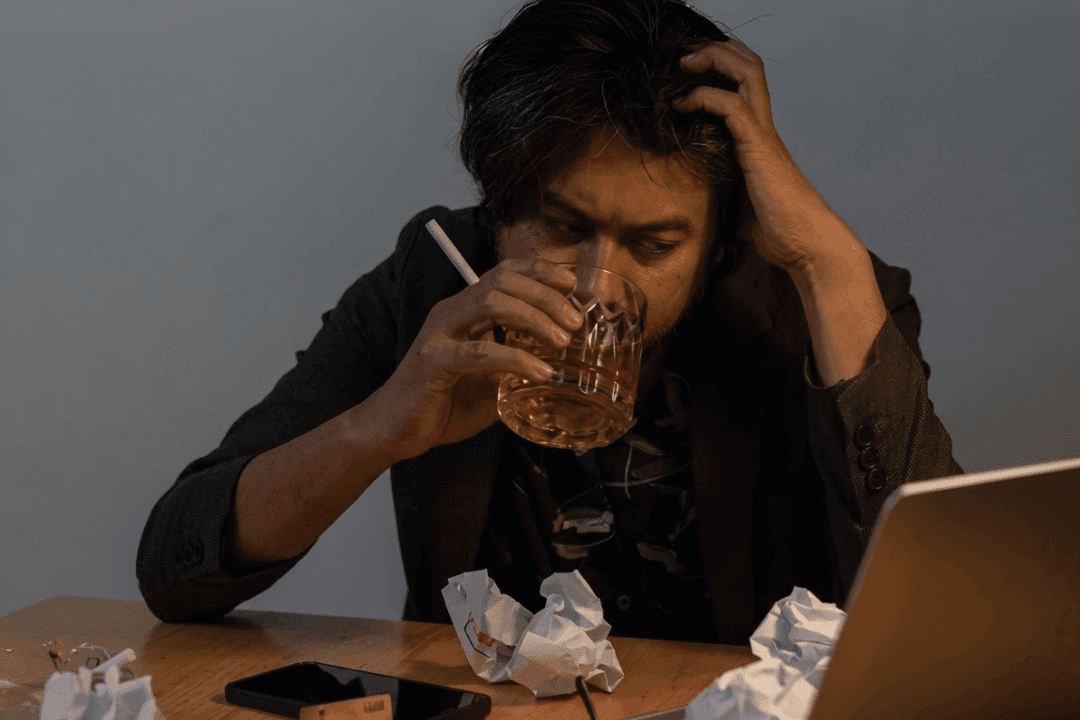
What Is Alcohol Use Disorder (AUD)?
Alcohol Use Disorder is a medical condition in which the brain's regulation of drinking becomes impaired, making it difficult or impossible to control alcohol intake despite recognising the harm it causes. According to the Cleveland Clinic, AUD exists on a spectrum from mild to severe and affects physical health, emotional stability, relationships, and the ability to function day to day. It is not a matter of willpower. It is a chronic condition involving altered brain chemistry that responds to sustained, structured treatment.
What Causes Alcohol Dependence?
Alcohol increases dopamine release in the brain's reward pathways, producing feelings of pleasure that reinforce repeated drinking. Over time, the brain adapts: it produces less dopamine on its own and becomes dependent on alcohol to maintain baseline function. As explained by the NIAAA, this neurological shift is what drives cravings, raises tolerance, and makes stopping feel physically and mentally overwhelming. Genetic vulnerability, early exposure, mental health conditions, and chronic stress all increase the risk of developing AUD.
Common Signs and Symptoms
- Strong, recurring cravings for alcohol that are difficult to resist
- Inability to limit drinking once started, despite intentions to stop
- Withdrawal symptoms when not drinking, including anxiety, nausea, sweating, and tremors
- Increased tolerance, needing more alcohol to feel the same effect
- Neglecting responsibilities, relationships, or activities because of drinking
- Continuing to drink even when it is clearly causing physical or psychological harm
How to Stop Alcohol Addiction
Breaking the cycle of alcohol dependence begins with acknowledging the pattern and taking structured steps toward change. The NIAAA recommends: identifying personal drinking triggers, setting clear and specific reduction goals, seeking professional evaluation to assess severity, building daily routines that displace drinking behaviours, and engaging social support from trusted people or peer recovery groups. For moderate to severe AUD, medically supervised detox is the safest first step, as withdrawal can be physically dangerous without proper support.
Natural Remedies for Alcoholism
Lifestyle-based strategies are not a substitute for medical treatment but can meaningfully support the recovery process, reduce relapse risk, and improve overall wellbeing during and after treatment.
Nutrition and Physical Recovery
Chronic alcohol use depletes critical nutrients. B vitamins, particularly thiamine (B1), are severely depleted by heavy drinking and their deficiency can cause serious neurological damage. According to the Cleveland Clinic, nutritional rehabilitation is a standard component of AUD recovery. Prioritising whole foods rich in B vitamins (eggs, leafy greens, legumes), magnesium (pumpkin seeds, spinach), and zinc (nuts, seeds, curd) supports nervous system repair and stabilises the mood fluctuations that make cravings harder to resist. Consistent meal timing also helps regulate blood sugar, which directly affects craving intensity.
Managing Cravings and Anxiety Naturally
Stress and anxiety are among the most consistent triggers for alcohol cravings. Breathwork, pranayama, and mindfulness meditation directly lower cortisol and activate the parasympathetic nervous system, reducing the urgency of cravings in real time. Journalling, particularly a structured format that identifies triggers and maps alternative responses, is one of the most effective behavioural tools for breaking habitual drinking cycles.
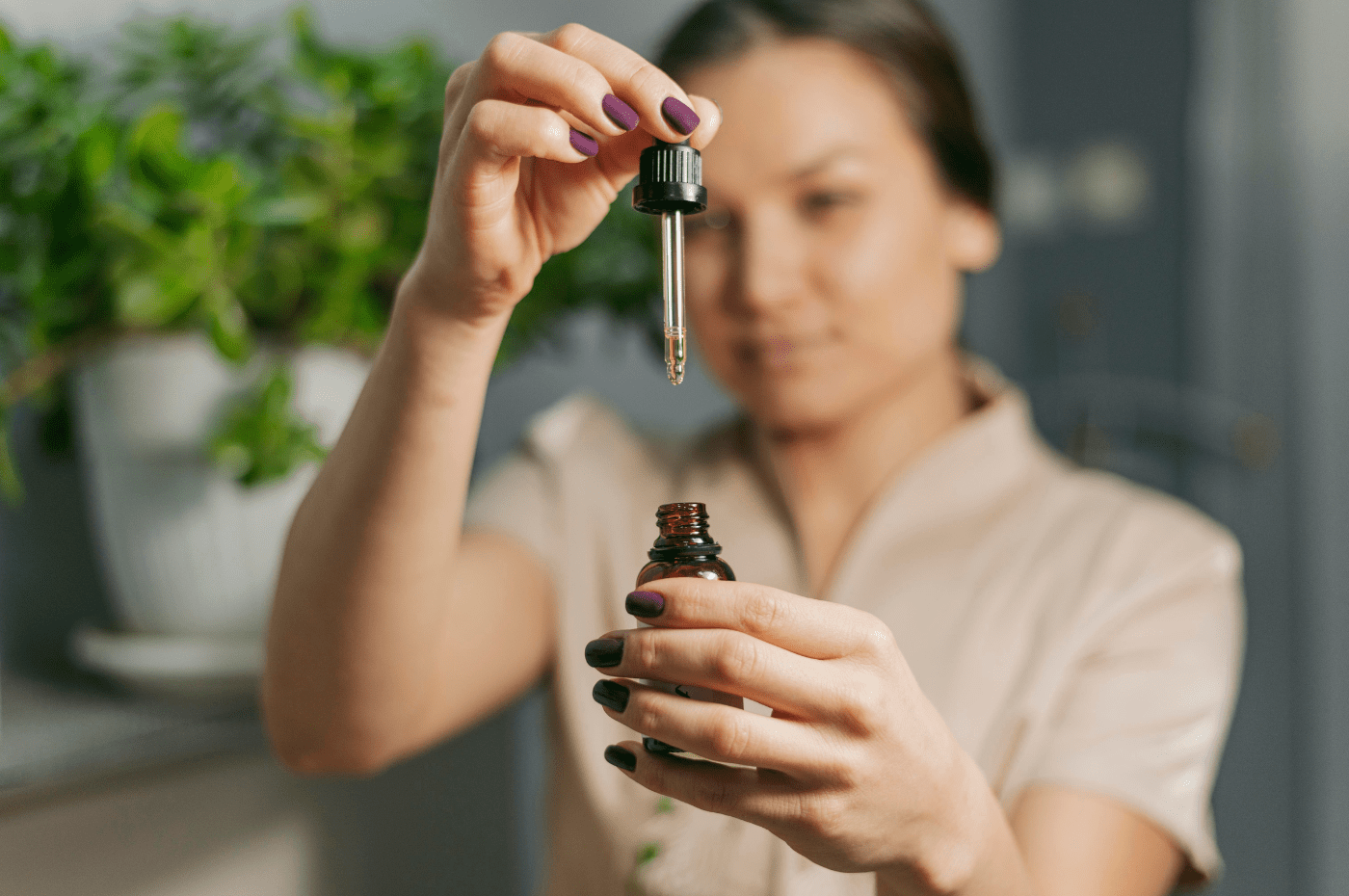
Some individuals also explore plant-based options such as CBD oil, which may support relaxation and help manage stress-related triggers. A review published on PMC (NCBI) found that CBD may influence the brain's reward and stress response pathways in ways that could reduce alcohol craving and anxiety. Early research is encouraging but more human clinical trials are needed. CBD should be considered a complement to, not a replacement for, medical treatment and behavioural therapy. Always consult a physician before use.
CBD oil may be considered as a supportive tool for stress and anxiety management during recovery, under medical supervision.
Sleep and Recovery Optimisation
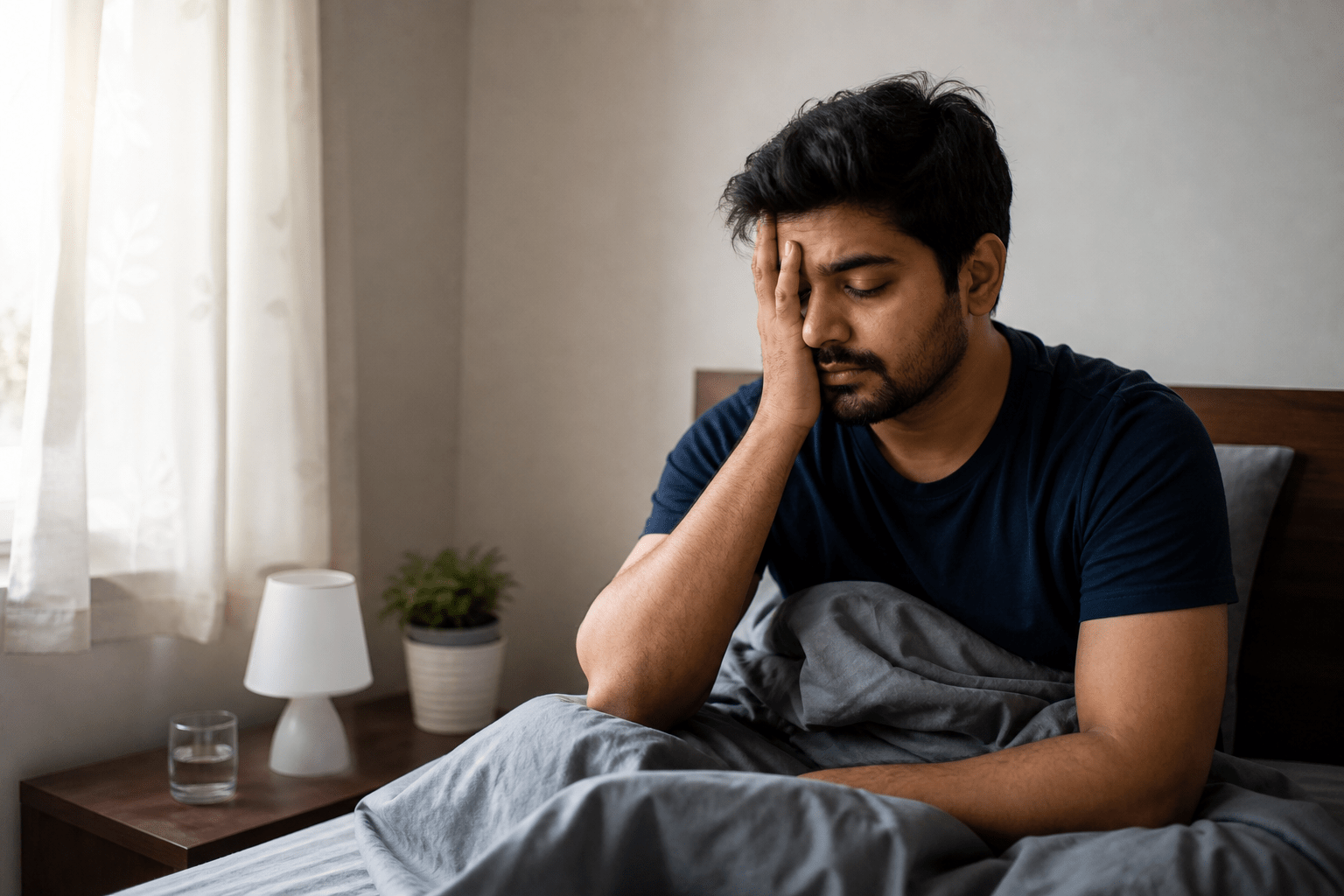
Sleep disruption is nearly universal in early AUD recovery, as alcohol withdrawal alters REM cycles and raises nocturnal cortisol. Poor sleep amplifies cravings, reduces impulse control, and increases relapse risk. Consistent sleep hygiene practices, including a fixed bedtime, no screens after 9 pm, and a cool dark room, are foundational to recovery. For those struggling with sleep onset,
Qurist Sleep Easy Gummies may offer additional support as a complementary, non-habit-forming option. Sleep gummies are formulated to support natural sleep onset without dependence risk. Consult your doctor before use during active AUD treatment.
Can Alcohol Abuse Be Cured?
There is no single cure for AUD, but sustained recovery is well-documented and achievable. The NIAAA emphasises that AUD is a chronic relapsing condition for many people, similar to other long-term conditions such as hypertension or diabetes. This means management, not elimination, is the goal. With the right combination of treatment, lifestyle change, and social support, many people achieve long-term recovery and a significantly improved quality of life.
Alcohol Dependence Treatment Options
- Medical detox: Supervised withdrawal management, often involving medications such as benzodiazepines to prevent dangerous seizures. Always the recommended first step for moderate to severe AUD.
- Medications: FDA-approved medications including naltrexone, acamprosate, and disulfiram are used to reduce cravings or create aversive reactions to alcohol, as outlined by the Cleveland Clinic.
- Cognitive Behavioural Therapy (CBT): Identifies and reframes thought patterns that drive drinking. One of the most evidence-supported psychological interventions for AUD.
- Motivational Enhancement Therapy (MET): Builds internal motivation to change and sustains commitment through ambivalence.
- Support groups: AA, SMART Recovery, and similar peer groups provide accountability, community, and evidence-based relapse prevention tools.
- Lifestyle rehabilitation: Nutrition, sleep, exercise, and stress management to support neurological recovery over the long term.
When to Seek Immediate Help
AUD recovery carries real medical risk. Seek urgent medical attention if you or someone you care for experiences:
- Severe withdrawal symptoms: uncontrolled shaking, profuse sweating, or extreme agitation within hours of stopping alcohol
- Hallucinations (visual or auditory) or extreme confusion
- Seizures, which can occur during alcohol withdrawal without medical supervision
- Chest pain, difficulty breathing, or inability to keep down fluids
- Complete inability to function or care for yourself or dependants
Speak with a medical practitioner for personalised guidance: qurist.in/pages/doctor-consultation.
Frequently Asked Questions
How can I stop alcohol cravings naturally?
Managing cravings naturally involves identifying and avoiding personal triggers, practising breathwork or pranayama to lower cortisol in the moment, stabilising blood sugar through regular meals, and building structured routines that replace drinking habits. The NIAAA also offers free evidence-based tools for tracking and reducing alcohol use.
What is the best treatment for alcohol addiction?
There is no single best treatment. The Cleveland Clinic and NIAAA both identify a combination of medically supervised detox (for moderate to severe AUD), medication, and behavioural therapy as the most effective approach. Support groups and lifestyle changes play a strong supporting role in sustaining recovery long-term.
Can alcohol addiction be cured permanently?
AUD is a chronic condition for many people, meaning it requires ongoing management rather than a one-time cure. Long-term recovery, defined as sustained abstinence or controlled use with full functioning, is well-documented and achievable with consistent effort, professional support, and lifestyle change.
Does CBD oil help with alcohol cravings?
Early research is promising. A review published on PMC (NCBI) found that CBD may help reduce anxiety and modulate reward pathways implicated in alcohol craving. However, large-scale human clinical trials are still limited. CBD should be used as a complement to formal treatment, not a standalone solution, and always under medical guidance.
Can lifestyle changes really reduce alcohol cravings?
Yes, meaningfully so. Chronic stress, poor sleep, nutritional deficiency, and lack of routine are all documented craving amplifiers. Addressing each of these through structured daily habits reduces both the frequency and intensity of cravings over time, and improves the effectiveness of formal treatment when combined with it.
Is it normal to relapse during recovery?
Relapse is common and does not mean recovery has failed. The NIAAA describes AUD recovery as a long-term process during which many people experience setbacks. Each relapse provides information about triggers and gaps in the recovery plan. The appropriate response is to re-engage with professional support and treatment, not to abandon recovery efforts.

Leave a comment
All comments are moderated before being published.
This site is protected by hCaptcha and the hCaptcha Privacy Policy and Terms of Service apply.